
Trace of the Villa: why quiet, sustained tension matters more than jump scares
Trace of the Villa (released 28 May, 2026) is a slow-burn, mood-driven mystery that leans on absence and erasure rather than sudden shocks. Built around a decaying mansion and a single character’s search for a missing sister, the game trades loud moments for layered atmosphere and clue-driven exploration.

Quick facts
| Title | Trace of the Villa |
|---|---|
| Steam AppID | 3483660 |
| Release date | 28 May, 2026 |
| Developer / Publisher | Steadyturtle Co., Ltd. |
| Genres | Action, Adventure, Indie |
| Categories (selected) | Single-player; Color Alternatives; Custom Volume Controls; Playable without Timed Input; Subtitle Options; Family Sharing |
| Premise | Jin searches a remote, decaying mansion for clues to his missing sister; restoring power and solving puzzles uncovers a carefully concealed operation. |
Who, what, when, where, why, how
Who is this for?
Players who prefer atmospheric mystery adventure and psychological investigation over adrenaline-driven horror. If you like story-rich exploration, environmental storytelling, and clue-driven puzzles rather than reflex tests or frequent timed encounters, Trace of the Villa is aimed at that audience.
What is the game?
Trace of the Villa is a Steam indie title by Steadyturtle Co., Ltd. that places you in the role of Jin, investigating a remote, deliberately forgotten mansion. The official description frames the experience as a narrative puzzle adventure where the house feels “less abandoned than erased” — identity and history are missing, and piecing them together is the primary gameplay loop.
When and where is it available?
The game released on 28 May, 2026 and is available on Steam for PC. The Steam page lists single-player support and a range of accessibility and options like subtitle choices and custom volume controls.
Why the quiet tension matters
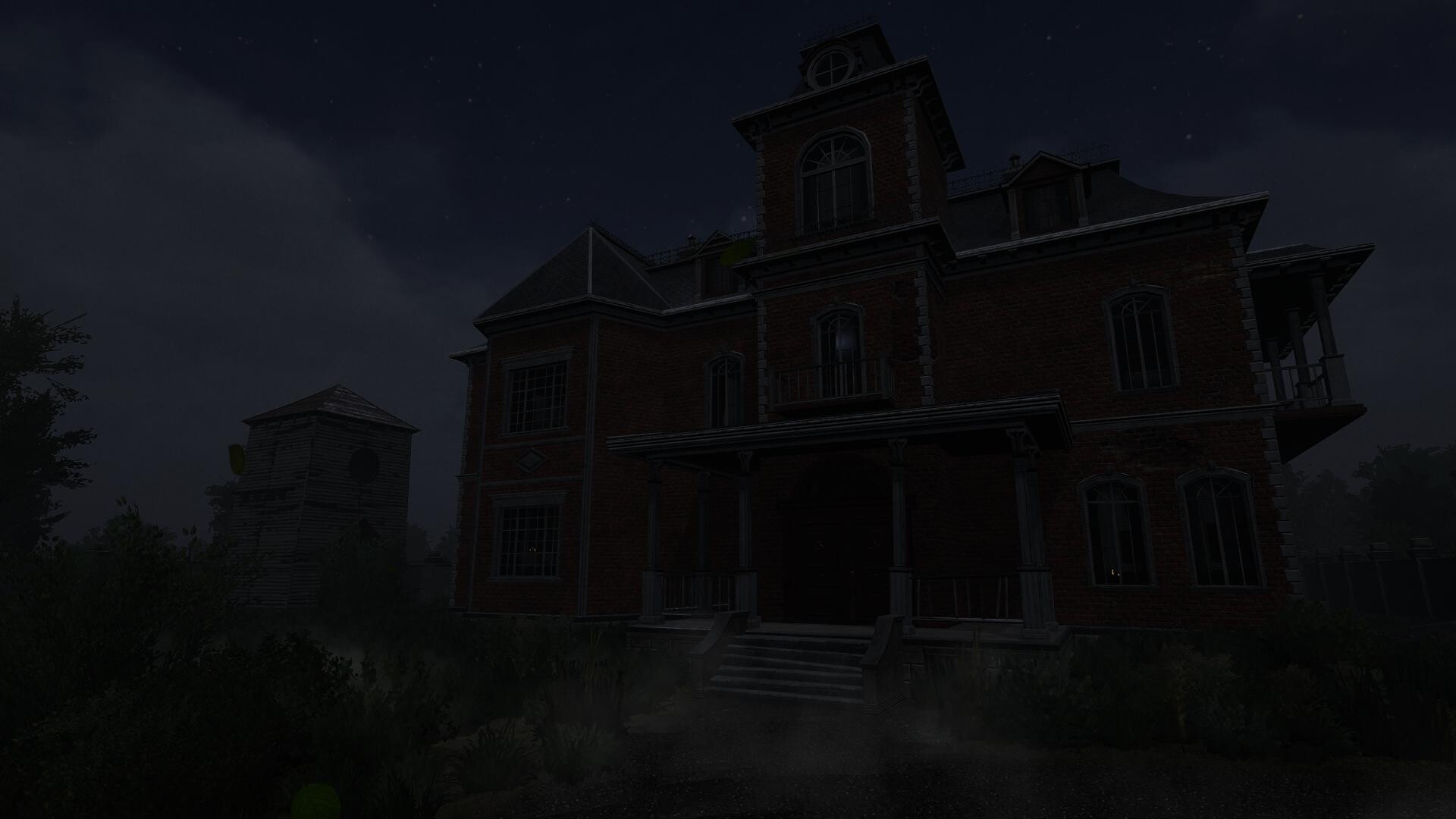
Trace of the Villa uses absence as a storytelling tool: rooms that look lived-in but lack photographs or names, locked doors hiding secured secrets, and falsified records. That sustained uncertainty—not a barrage of shocks—creates a persistent feeling of unease. For many players, an atmosphere that rewards careful attention and slow accumulation of evidence is more disturbing and memorable than a sequence of jump scares, because it leaves space for imagination and inference.
How you progress
Progression is puzzle and investigation driven. The official description specifies actions like restoring power to the estate, which brings systems back online; unlocking hidden compartments; and opening safes that yield fragments of encrypted documents and suspicious transfer records. Each solved puzzle reveals another layer of the concealed operation, so the core loop centers on examining environments, restoring and interacting with systems, and interpreting documentary fragments to reconstruct timelines and motives.
Visuals from the Steam page

Which players should wishlist it?
- Fans of slow-burn suspense and atmospheric mystery adventure who value environmental storytelling over constant action.
- Players who enjoy clue-driven exploration, document puzzles, and narrative puzzle design where each solved item changes your understanding of the story.
- Anyone who prefers to think through scenarios and piece together motives from fragments rather than being guided by overt jump-scare beats.
Player scenarios — who will get the most from Trace of the Villa?
The careful investigator
You like reading notes, restoring systems, and following a trail of small, meaningful discoveries. The game’s focus on recovered manifests, encrypted documents, and locked compartments rewards methodical play.
The mood-first explorer
You play for tone and atmosphere: lighting, empty settings, and the sense that identities have been scrubbed. The mansion’s sense of erasure and its slow reveals are the primary draw.
The narrative puzzle fan
You want puzzles that serve story — solving a safe or restoring power doesn’t just let you progress mechanically; it grants context and shifts the narrative puzzle pieces into new alignments.
How Trace of the Villa compares to similar atmospheric titles
Below is a compact editorial comparison focused on genre, tone, puzzle emphasis, exploration style and pacing. These comparisons are descriptive and intended to help readers decide which experience fits them best.
| Title | Genre / Tone | Puzzle / Exploration Focus | Pacing / Player Fit |
|---|---|---|---|
| Trace of the Villa | Action / Adventure / Indie — mansion mystery, erased identities, quiet dread | Document fragments, restoring estate systems, hidden compartments and safes | Slow, investigative; best for players who prefer clues and sustained unease |
| Amnesia: The Dark Descent | Action / Adventure / Indie — immersive first-person survival horror | Exploration that emphasizes immersion and vulnerability, puzzle-lite but atmosphere-heavy | Slow to intense; focuses on immersion and survival tension |
| SOMA | Action / Adventure / Indie — sci-fi horror with existential themes | Exploration and narrative puzzles with a philosophical bent, less about environmental domestic mystery | Measured pacing; suits players who want story questions tied to exploration |
| Layers of Fear (2016) | Adventure / Indie — first-person psychological horror, shifting mansion | Psychological environmental puzzles, shifting spaces that serve storytelling | Atmospheric and narrative-driven; good for players who like surreal, mood-led design |
| Poppy Playtime | Action / Adventure / Indie — tense puzzle horror in an abandoned factory setting | Puzzle tools and set-piece encounters with more direct threat mechanics | Faster, encounter-driven; suits players who want more immediate gameplay hooks |
Deciding checklist
- If you prefer environmental storytelling and piecing together a hidden operation from documents and system restores, Trace of the Villa is worth your shortlist.
- If you want constant adversarial pressure or a high number of scripted fright moments, consider other horror titles that emphasize immediate threats.
- Accessibility options listed on Steam—subtitles, custom volume and playability without timed input—make the game approachable for slower, more deliberate playstyles.
YouTube discovery
If you want to see trailers or gameplay clips before deciding, consider searching YouTube: Trace of the Villa trailer / gameplay on YouTube. Note: use this as a search path; the Steam page and publisher are the authoritative sources for official media.
Leave a Reply