Trace of the Villa: When Puzzles Become Evidence in a Mansion Mystery
Trace of the Villa places a patient, clue-driven investigation at the center of its atmospheric mystery: you play Jin, piecing together manifests and encrypted fragments in a decaying mansion to follow a trail that might lead to his missing sister. Released on 28 May, 2026 by Steadyturtle Co., Ltd., the game leans on environmental storytelling and object logic to make every solved puzzle feel like concrete evidence in a slow-burning case.

| Title | Trace of the Villa |
|---|---|
| Steam AppID | 3483660 |
| Release date | 28 May, 2026 |
| Developer / Publisher | Steadyturtle Co., Ltd. |
| Genres | Action, Adventure, Indie |
| Notable categories | Single-player; Color Alternatives; Custom Volume Controls; Playable without Timed Input; Subtitle Options; Family Sharing |
| Official short description | Jin has spent years searching for his missing sister, pursuing leads that took him to a remote, decaying mansion where he recovered manifests and hints that indicate his sister may still be alive, somewhere at the end of the trail he is about to follow. |
Who should wishlist Trace of the Villa?
- Players who prefer narrative puzzle design where solutions double as story evidence rather than purely mechanical locks and combos.
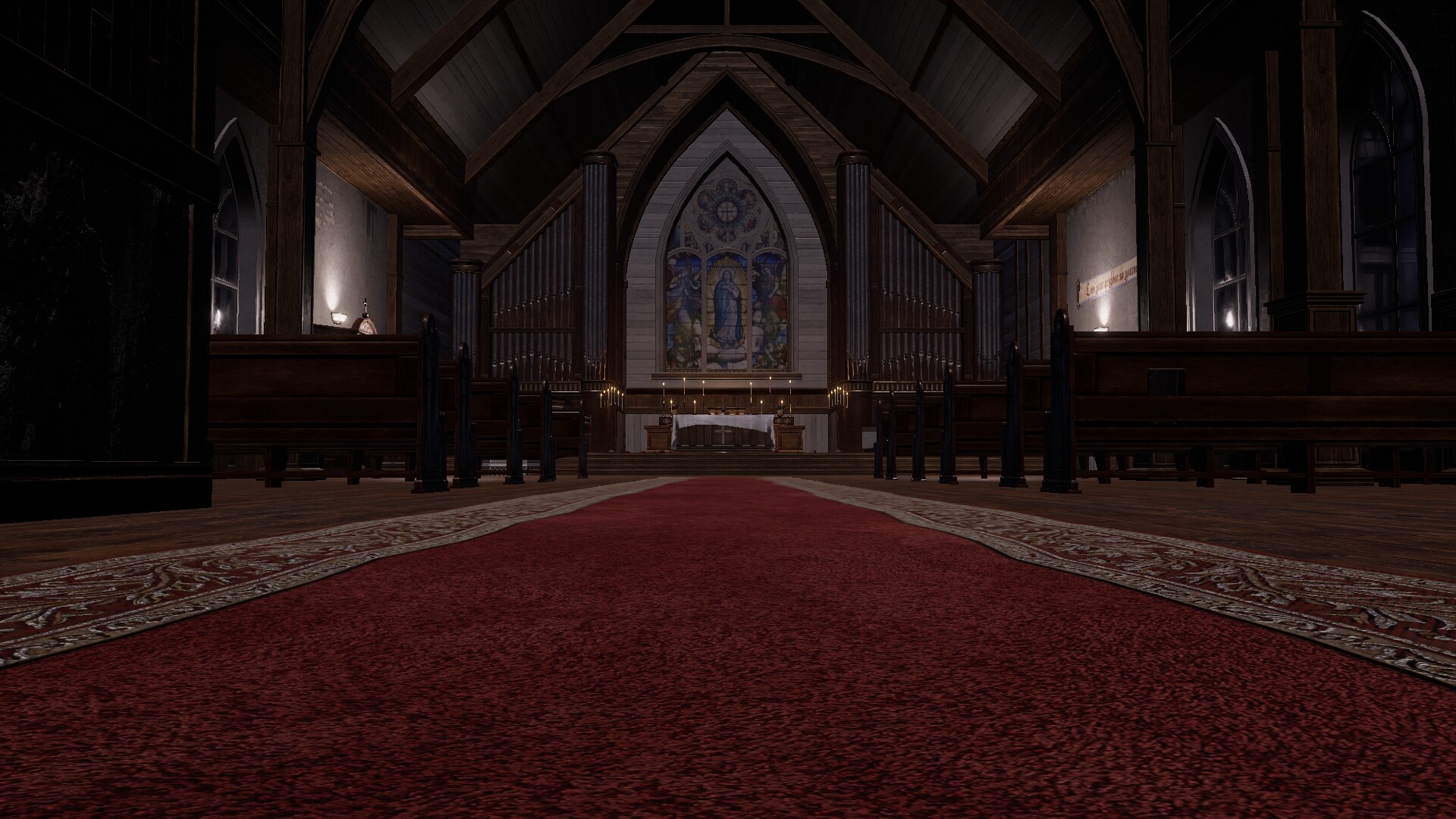
- Fans of atmospheric mystery adventures and slow-burn suspense set in a single, memorable location (a remote, decaying mansion).
- Anyone who values environmental storytelling and object logic — people who read clues, study manifests, and follow financial or identity traces as part of investigation gameplay.
What the game is (and what it asks you to do)
According to Steam’s official listing, Trace of the Villa follows Jin as he investigates a property that seems deliberately erased: rooms furnished as if abandoned mid-routine, locked doors, and missing names or photos. Restoring power and bringing systems back online reveals hidden compartments, safes, encrypted documents and suspicious transfer records. Puzzles are presented as pieces of evidence — each solved lock or decrypted file advances both gameplay and the in-world investigation.
When and where
Trace of the Villa released on 28 May, 2026 and is available on Steam. The store page lists the developer and publisher as Steadyturtle Co., Ltd. You’ll find standard accessibility options on the Steam page, including subtitle options and color alternatives.
Why this puzzle approach matters
Many puzzle adventures separate mechanics from narrative: you solve a puzzle, then move on. Trace of the Villa frames puzzles themselves as evidence. That changes the player’s mindset — clues aren’t abstracted obstacles, they are corroborating details in a case file. When a safe yields a fragment of encrypted documents or a manifest shows transfers without owners, that discovery is part of the narrative logic: puzzles shape the timeline and explain the mansion’s purpose.
How clue reading, object logic, and story puzzles shape progression
The official description highlights several concrete systems that demonstrate this design:
- Restoring power brings secured systems back online — a mechanical action that unlocks narrative signals.
- Hidden compartments and safes release fragments of encrypted documents and suspicious transfer records — puzzles provide forensic traces rather than just keys.
- Manifests and hints recovered in the house build a trail: falsified identities, financial movements, and arrivals/departures without records are the kind of puzzle outcomes that advance an investigator’s picture of events.
In practice, that means players will spend as much time reading, cross-referencing, and drawing connections as they do manipulating objects — puzzle-solving is investigative labor as much as it is pattern recognition.

Player scenarios — concrete examples of who will enjoy this
- Methodical investigators: You like scanning rooms, matching names or numbers from manifests to ledger entries, and letting small discoveries fold into a larger theory. You’ll appreciate puzzles that feel like collecting corroborating testimony.
- Atmosphere-first explorers: You value mood and slow-burn tension. If a mansion’s silences and staged rooms are what hooks you, the game’s erased identities and staged abandonment will deliver.
- Evidence-driven problem solvers: You prefer puzzles whose solutions reveal story content — safes and encrypted fragments that directly add to the timeline or expose falsified identities.
- Players who dislike twitch or timed inputs: The Steam listing notes “Playable without Timed Input,” which suits those who prefer careful inspection over reflex checks.
How Trace of the Villa compares to nearby puzzle-adventure experiences
Below is a compact editorial comparison focused on genre, atmosphere, puzzle focus, exploration style, story tone, pacing, and player fit — intended to help decide whether Trace of the Villa suits your tastes.
| Title | Genre / Atmosphere | Puzzle focus | Exploration style | Story tone & pacing | Best fit for |
|---|---|---|---|---|---|
| Trace of the Villa | Action / Adventure / Indie — atmospheric mansion mystery | Clue-driven, documents & safes as evidence; object logic tied to narrative | Single-location estate with progressive systems coming online | Slow-burn investigative; narrative reveals via found evidence | Players who want puzzles that read like casework and value environmental storytelling |
| The Room | Adventure / Indie — tactile, mechanical puzzles | Complex mechanical objects and layered safes | Chamber-based, room-by-room puzzle progression | Mysterious and focused; puzzle-first with atmospheric framing | Players who enjoy tactile, object-centric puzzle design |
| The Room Two | Adventure / Indie — expanded scope of tactile puzzles | Similar to The Room: layered mechanical puzzles with evolving devices | Broader locations while retaining room-focused puzzles | Atmospheric and puzzle-led, with episodic pacing | Fans of mechanically intricate puzzles and carefully staged environments |
| Escape Simulator | Adventure / Simulation / Indie — interactive escape-room play | Highly interactive object puzzles; player-driven experimentation | Discrete escape rooms; often physics and object manipulation | Puzzle-centric, often faster paced and cooperative or solo | Players who prefer high interactivity, manipulation, and faster puzzle loops |
| Unpacking | Casual / Indie / Simulation — domestic, reflective atmosphere | Contextual, item-placement puzzles that reveal life clues | Home
Steam pageView Trace of the Villa on Steam YouTube discoveryFor trailer and gameplay discovery, use YouTube search rather than relying on unverified embeds: Find Trace of the Villa trailer and gameplay searches on YouTube. CommentsMore posts |
Leave a Reply