
Trace of the Villa — an observation‑first mansion mystery for meticulous players
Trace of the Villa places you in Jin’s shoes: a determined sibling following frayed manifests and whispered hints into a remote, decaying mansion where identities seem deliberately erased. The game leans on environmental storytelling and clue-driven exploration — the kind of slow-burn, narrative curiosity that rewards methodical players and lore readers.

Quick facts
| Title | Trace of the Villa |
|---|---|
| Developer / Publisher | Steadyturtle Co., Ltd. |
| Release date | 28 May, 2026 |
| Genres | Action, Adventure, Indie |
| Steam categories / accessibility | Single-player; Color Alternatives; Custom Volume Controls; Playable without Timed Input; Subtitle Options; Family Sharing |
| Steam page | Trace of the Villa on Steam |
Who should wishlist it
If you’re the kind of player who pauses to read every note, files timelines in head, and maps narrative connections across rooms, Trace of the Villa is aimed at you. The premise centers on Jin’s hunt for a missing sister and the fragments he uncovers in a deliberately forgotten estate — a setup that rewards methodical inspection, patient reconstruction of events, and readers who prioritize story inference over spectacle.
What the game is
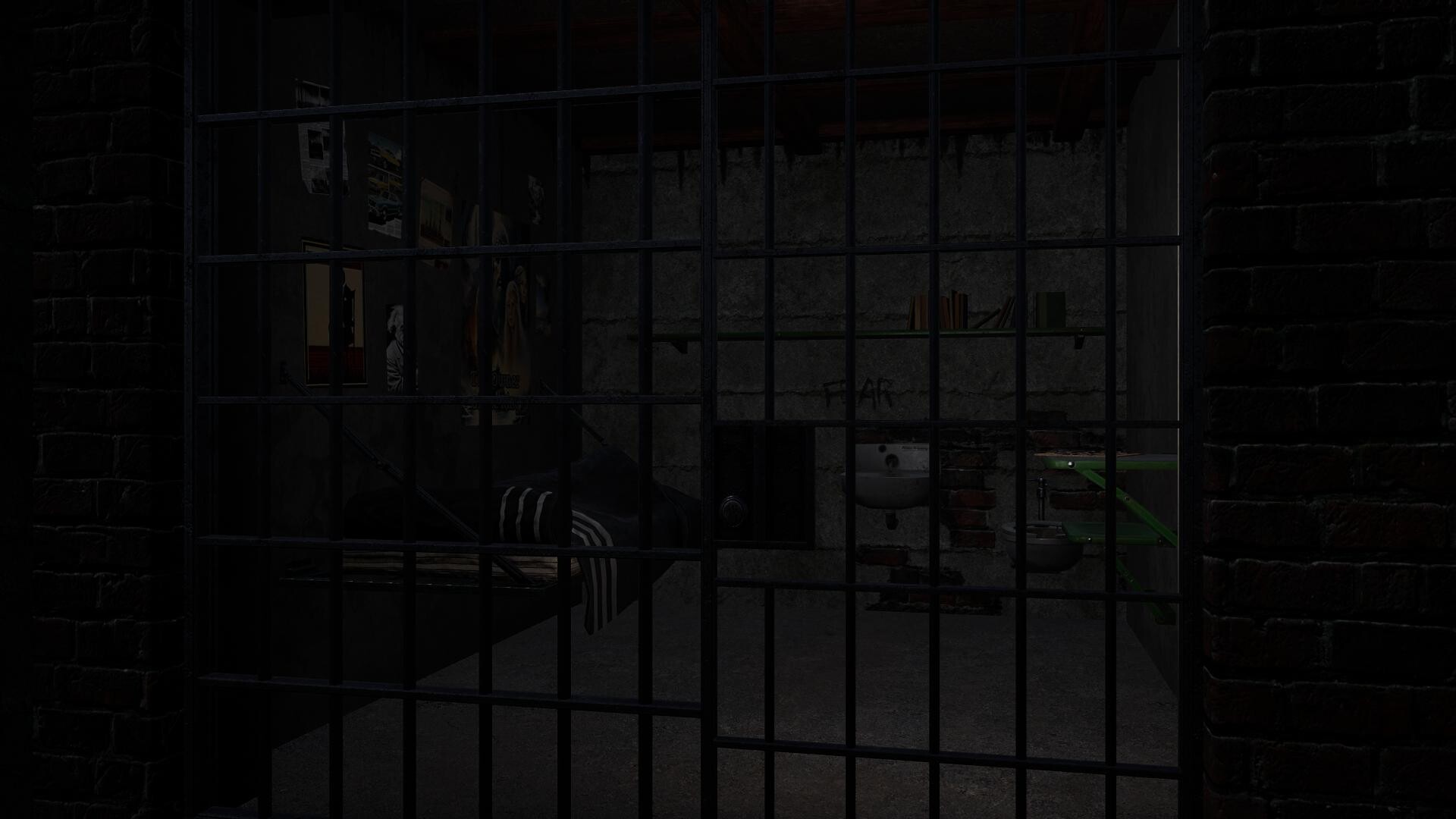
Official material describes Trace of the Villa as an investigation-driven adventure: Jin explores a mansion cut off from the grid, restores power to systems, and gradually reveals hidden compartments, encrypted documents, and suspicious transfer records. The house reads as “erased” rather than merely abandoned: furnished rooms with no names, locked doors hiding secured secrets, and manifests that hint a larger, organized operation. Expect environmental storytelling, puzzle elements tied to locked systems and safes, and narrative fragments that build a pattern rather than a single explicit explanation.
When and where
Trace of the Villa launched on Steam on 28 May, 2026. The game is developed and published by Steadyturtle Co., Ltd. and appears under the Action / Adventure / Indie genres on its Steam page.
Why this theme matters for investigation fans
The central conceit — a place that looks as if identities were removed — turns ordinary detail work into the primary mechanic. For players who enjoy assembling timelines from scattered documents, reconstructing who used what room and when, and treating systems restoration as narrative excavation, this theme converts every safe cracked or terminal rebooted into story progress. It’s atmospheric mystery rather than jump-scare horror, and the emotional hook (a sibling searching for a missing sister) keeps the investigation personal.
How you read clues and progress
Based on the official description, progression is clue-driven and layered: restore power, bring systems back online, open previously sealed compartments, and collect fragments of encrypted documents and transfer records. Those fragments act as puzzle pieces — manifests that indicate movement, falsified identities, and financial trails that don’t add up. The game appears to connect environmental puzzles with investigative beats rather than fast reflex tests; the Steam categories include “Playable without Timed Input,” which suits players who prefer to puzzle and think.

Comparison: Where Trace of the Villa sits among narrative mysteries
For readers deciding if Trace of the Villa fits their tastes, here’s a compact, editorial comparison against other story-rich mystery/adventure titles. These comparisons focus on genre, atmosphere, puzzle vs. exploration emphasis, pacing, and what kind of player they suit.
| Title | Primary focus | Atmosphere / tone | Puzzle / exploration | Pacing | Player fit |
|---|---|---|---|---|---|
| Trace of the Villa | Investigation, environmental storytelling | Decaying mansion, erased identities, personal stakes | Clue-driven: restore systems, unlock safes, decrypt documents | Slow-burn, methodical | Meticulous clue-readers and lore-focused players |
| Inscryption | Card-based odyssey with meta-puzzles (topic_research) | Inky, psychological, unsettling | Puzzle + deckbuilding; cryptic secrets embedded in systems | Variable — tense in runs, experimental narrative reveals | Players who want meta‑mystery and layered systems |
| Outer Wilds | Open-world mystery about a trapped solar system (topic_research) | Wonderous, melancholic, cosmic | Exploration-led puzzles, experimental systems learning | Measured, emergent; loop-based discovery | Explorers who like environmental clues across locations |
| The Forgotten City | Narrative-driven mystery with time-loop mechanics (topic_research) | Ancient, moral, investigative | Dialogue and scenario puzzles; consequences matter | Deliberate, often cerebral | Players who enjoy moral puzzles and story branching |
| The Medium | Third-person psychological investigation (topic_research) | Haunting, psychological | Dual-reality exploration and environmental puzzles | Steady, atmospheric | Players who prefer psychological tone and dual-reality mechanics |
Player scenarios — concrete examples of fit
- The meticulous reader: You read every journal, compare timestamps, and sketch out timelines. Trace of the Villa’s manifests and encrypted fragments are likely satisfying raw material.
- The environmental storyteller: You trust objects and layout to tell character stories. The mansion’s staged rooms and missing names create detective work from set dressing.
- The slow-burn investigator: You prefer deliberate reveals over jump scares; restoring power and watching the estate reveal itself will suit your pace.
- The puzzle-and-clue synthesizer: You like connecting disparate records — financial trails, falsified IDs, and sealed compartments — into a coherent pattern. The game’s official description highlights these elements as central.
YouTube discovery
If you want trailers or gameplay clips, search YouTube: Trace of the Villa trailer & gameplay on YouTube. (Use
Leave a Reply