
Trace of the Villa — a missing-person mystery that asks you to read a house like a witness
Jin has spent years searching for his missing sister; a lead drags him to a remote, decaying mansion where manifests and fragmentary hints suggest she may still be alive. Trace of the Villa is a slow-burn, clue-driven indie adventure that turns environmental storytelling and locked systems into the primary language of investigation.

Who this is for
Players who prefer atmospheric mystery adventure over twitch reflexes — those who treat every object as a potential clue and every locked room as a question. If you gravitate toward narrative puzzle design, environmental storytelling, and psychological investigation with missing-person stakes, Trace of the Villa will likely match your tastes. The game lists Action, Adventure, and Indie among its genres and ships as a single-player experience with accessibility options such as color alternatives and subtitle options.
What the game is (the official premise)
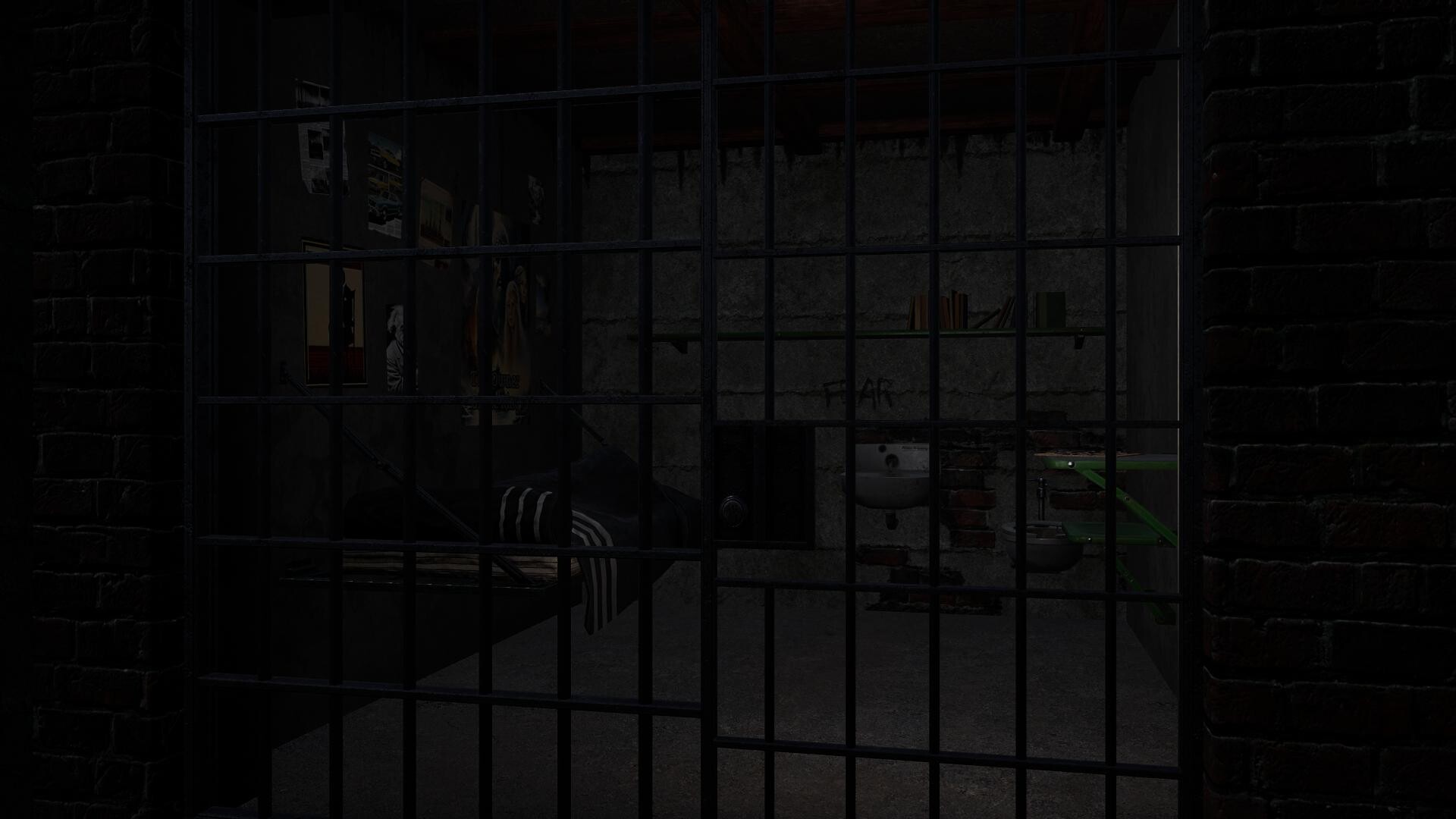
According to the Steam store details, Jin has been searching for his missing sister for years and follows a new lead to a decaying, off-grid mansion. Inside, the place feels “erased”: furnished rooms that suggest occupants vanished mid-routine, personal belongings without names or photographs, and locked doors that hide secured secrets. When Jin restores the estate’s power, secured systems come back online, hidden compartments unlock, and safes yield fragments of encrypted documents and suspicious transfer records — building a picture of an operation where identities and movements were deliberately masked.
When and where
Trace of the Villa released on 28 May, 2026 and is available on Steam for PC. The developer and publisher are both Steadyturtle Co., Ltd.

Why the theme matters — character motivation and stakes
The game’s most immediate engine is character motivation: Jin’s search for his sister turns a detective’s curiosity into a personal stake. Missing-person stakes reframe otherwise academic puzzle-solving into an emotional imperative — every unlocked safe or recovered manifest becomes evidence with human consequences. That framing pushes the narrative past routine puzzle loops; players aren’t just solving for curiosity, they’re trying to reconstruct who people were and why they disappeared.
How you progress: reading rooms, systems, and paper trails
- Clue-driven exploration: rooms, personal effects, and secured systems act as primary evidence. The store text notes that restoring power activates systems that reveal further mysteries — a sequence that ties environmental interaction to narrative beats.
- Puzzle structure: expect a mix of locked compartments, encrypted documents, and practical puzzles that unlock new locations or databases. Progress is driven by recovering manifests, transfer records, and fragments of secure files.
- Story structure: the mansion acts as a layered container of secrets; each solved puzzle uncovers another trace of an organization or operation that intentionally removed names and records. The investigation is iterative: restore → reveal → interpret → follow the next trail.
Player scenarios — who should wishlist Trace of the Villa
- For the slow-burn investigator: you prefer atmosphere and deduction over constant action. You’ll enjoy reading empty kitchens, cataloging objects, and letting mood and implication do much of the storytelling.
- For the puzzle-first player who still wants stakes: you like mechanical puzzles that produce narrative payoff. If encrypted documents and safes that unlock new evidence appeal to you, this fits.
- For players who value tone and ambiguity: you want a game that suggests larger conspiracies through fragments rather than explicit exposition. The missing-person anchor keeps the emotional center sharp while the mansion’s erasures raise questions.
Compact facts: Trace of the Villa
| Title | Trace of the Villa |
|---|---|
| Steam AppID | 3483660 |
| Release date | 28 May, 2026 |
| Developer | Steadyturtle Co., Ltd. |
| Publisher | Steadyturtle Co., Ltd. |
| Genres | Action, Adventure, Indie |
| Categories / features | Single-player; Color Alternatives; Custom Volume Controls; Playable without Timed Input; Subtitle Options; Family Sharing |
How it compares (editorial discovery)
Below is a compact, editorial comparison that highlights differences in tone, puzzle focus, and pacing with nearby story-rich titles. This is to help you decide what kind of narrative curiosity Trace of the Villa satisfies.
| Game | Genre / Focus | Atmosphere & Tone | Puzzle / Exploration | Pacing / Player Fit |
|---|---|---|---|---|
| Trace of the Villa | Action, Adventure, Indie | Mansion mystery; erased identities; intimate, claustrophobic investigation | Environmental puzzles, locked systems, encrypted documents; clue-driven progression | Slow-burn suspense; for players who tie narrative stakes to discovery |
| Inscryption | Adventure, Indie, Strategy | Inky, psychological horror; metafictional dread | Card-based mechanics blended with escape-room style puzzles | Tight, emergent tension; players who like mechanical surprises and horror twists |
| Outer Wilds | Action, Adventure | Open, wonder-filled mystery of a solar system trapped in a time loop | Exploration-led puzzles across planetary systems; discovery through traversal | Open-ended, exploratory pacing; for players who prize curiosity and non-linear unraveling |
Steam pageView Trace of the Villa on Steam YouTube discoveryFor trailer and gameplay discovery, use YouTube search rather than relying on unverified embeds: Find Trace of the Villa trailer and gameplay searches on YouTube. CommentsMore posts |
Leave a Reply