
Trace of the Villa: puzzles as evidence and the logic of a disappearing house
Trace of the Villa places you in Jin’s shoes as he follows a trail of manifests, encrypted records, and emptied rooms through a decaying mansion. The game frames each puzzle as a piece of evidence—object logic and clue-reading shape not only how you progress, but how the story reconstructs identities erased from the estate.

| Title | Trace of the Villa |
|---|---|
| Release date | 28 May, 2026 |
| Developer / Publisher | Steadyturtle Co., Ltd. |
| Genres | Action, Adventure, Indie |
| Steam categories | Single-player; Color Alternatives; Custom Volume Controls; Playable without Timed Input; Subtitle Options; Family Sharing |
| Steam AppID | 3483660 |
| Premise (official) | Jin has spent years searching for his missing sister, pursuing leads that took him to a remote, decaying mansion where he recovered manifests and hints that indicate his sister may still be alive, somewhere at the end of the trail he is about to follow. |
Who is this for?
If you gravitate toward atmospheric mystery adventure on PC—slow-burn suspense, environmental storytelling, and puzzles that function like forensic work—Trace of the Villa targets you. It’s pitched to players who read rooms as texts: those who notice where objects are missing, interpret timestamps on manifests, and follow financial traces or falsified identities to form hypotheses about what the mansion was used for.
What the game is
Official text frames Trace of the Villa as a narrative puzzle-adventure centered on Jin’s investigation in a deliberately forgotten estate. Restoring power and reactivating secured systems reveals hidden compartments, safes, and encrypted documents. Puzzles aren’t isolated minigames; they are nodes of evidence that advance both gameplay and the timeline Jin assembles.
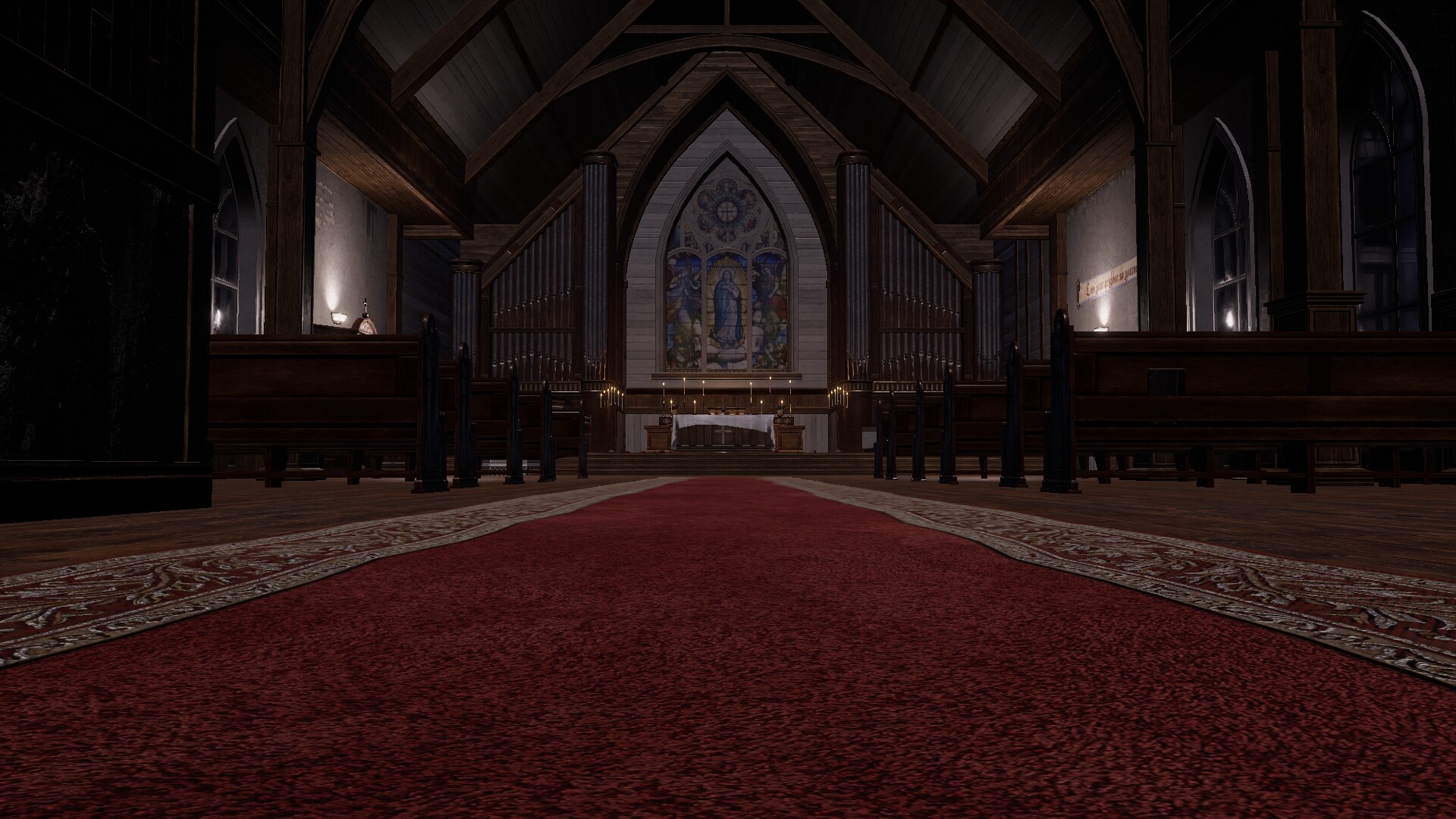
When and where
Trace of the Villa launched on Steam on 28 May, 2026. The Steam page lists developer and publisher as Steadyturtle Co., Ltd., and the game’s genre tags include Action, Adventure, and Indie. Steam categories note accessibility touches such as subtitle options and the ability to play without timed input.
Why the theme matters: puzzles as evidence
Many puzzle adventures present tasks as barriers to be overcome. Trace of the Villa positions puzzles as evidentiary artifacts. A locked ledger, an encrypted manifest, or a missing photograph are not only hurdles but narrative data points. Solving a safe can reveal suspicious transfer records; solving a circuit puzzle can restore a security feed that recontextualizes something you saw earlier. That structure makes each solved puzzle not just progress but an act of interpretation—closing a gap in a timeline rather than only unlocking the next room.
How you read clues and progress
Expect three overlapping systems:
- Clue reading: environmental details and manifests—dates, names, redactions—are primary signals. Your success depends on parsing these items and fitting them into a coherent timeline.
- Object logic: physical puzzles and interactive items obey a coherent internal logic. Objects that look like inventory keys or mechanical triggers tend to have contextual uses rather than purely abstract solutions.
- Story puzzles: certain puzzles double as reveals. Restoring power or decrypting documents changes the estate itself (hidden compartments, reactivated systems), which then provides more clues—puzzles unlock narrative beats as much as they open doors.

Player scenarios — who will enjoy what
- The methodical investigator: You take notes, map timelines, and enjoy deducing motive from small contradictions. The game’s clue-driven design will reward careful reading and pattern recognition.
- The environmental storyteller: You prefer learning by observing set dressing and how rooms were left. Puzzles that reveal personal belongings or missing records will provide the narrative payoff you want.
- The puzzle-first player: You like object logic and mechanical solutions. Expect tactile puzzles anchored in the mansion’s systems and physical infrastructure.
- The slow-burn suspense fan: You want mood, atmosphere, and gradual escalation. The mansion’s erasure-of-identity premise and the pattern of arrivals without records are tailored to a patient, investigative pace.
How it compares (editorial discovery)
Below is a concise comparison with nearby puzzle-adventure titles. The criteria used are puzzle focus, atmosphere, exploration style, and pacing—helpful lenses for deciding if Trace of the Villa fits your taste.
| Title | Puzzle focus | Atmosphere | Exploration | Pacing | Best for |
|---|---|---|---|---|---|
| Trace of the Villa | Clue-reading, encrypted documents, object logic | Mansion mystery; slow, unsettling | Connected estate with systemic reveals | Slow-burn, investigative | Players who read environment as evidence |
| The Room | Mechanical, tactile object puzzles | Claustrophobic, focused | Single-room/set-piece progression | Focused, compact | Tactile puzzle and lockbox fans |
| The Room Two | Expanded mechanical puzzles, layered set-pieces | Mystical, atmospheric | Larger, multi-room exploration | Measured, puzzle-driven | Players who want larger-scale mechanical mystery |
| Escape Simulator | Highly interactive object puzzles, physics | Varied; room-based | Discrete rooms; community-made content | Varied — can be quick or elaborate | Co-op/interactive puzzle players |
| Unpacking | Spatial/arrangement puzzles with narrative through objects | Zen, domestic | Room-by-room, object-focused | Relaxed, contemplative | Players who enjoy narrative through mundane detail |
Steam trailer and further discovery
If you want trailers or gameplay clips, search on YouTube: Trace of the Villa trailer & gameplay (YouTube search). This is a discovery link; verify official uploads on the Steam page if you need publisher-verified media.
View Trace of the Villa on Steam
Leave a Reply