
Trace of the Villa: why quiet tension and erased identities are more unnerving than cheap shocks
Trace of the Villa places a lone investigator in a decaying, off-the-grid mansion where belongings remain but names do not — a slow-burn, clue-driven psychological investigation that trades jump scares for suffocating uncertainty. Released on 28 May, 2026 by Steadyturtle Co., Ltd., the game asks players to read absence as evidence and to let atmosphere, not brutality, deliver the dread.

Who, what, when, where, why, how — the essentials
Who is this for?
Players who prefer atmospheric mystery adventure and slow-burn suspense over constant shocks. If you like environmental storytelling, narrative puzzle design, and exploration that rewards careful reading of documents and manifestations rather than twitch reflexes, this fits your taste. The Steam listing tags it as Action / Adventure / Indie and lists Single-player and accessibility-conscious categories such as Custom Volume Controls and Subtitle Options.
What is the game?
Trace of the Villa follows Jin, who has spent years searching for a missing sister. Leads bring him to an isolated, decaying mansion where manifests and hints suggest she might still be alive. Inside the estate, rooms look lived-in but devoid of photographs and names — an atmosphere of erasure that turns ordinary objects into narrative clues.
When and where is it available?
The game launched on Steam on 28 May, 2026. It is developed and published by Steadyturtle Co., Ltd. and distributed on the Steam store for PC players.
Why the theme matters: unexplained spaces and identity erasure
The mansion in Trace of the Villa is unsettling because it’s been “erased” rather than wrecked. Personal items remain, systems can be restored, but identifiers — photos, names, histories — are missing. That removal of context forces players to supply meaning, making every discovery emotionally ambiguous: is a found ledger proof, misdirection, or the residue of deliberate concealment? Quiet tension arises from not knowing which. This is psychological horror built on absence and procedural discovery rather than spectacle.
How you play and progress
Gameplay centers on exploration and puzzle-driven investigation. Jin restores power to the estate, bringing locked systems and hidden compartments back online. Safes and secured systems yield encrypted documents, manifests and suspicious transfer records; each solved puzzle opens another layer of concealment. Progress is less about survival mechanics and more about assembling a timeline from scattered material evidence — financial trails, falsified identities, and movements that leave no official record.
Official visuals
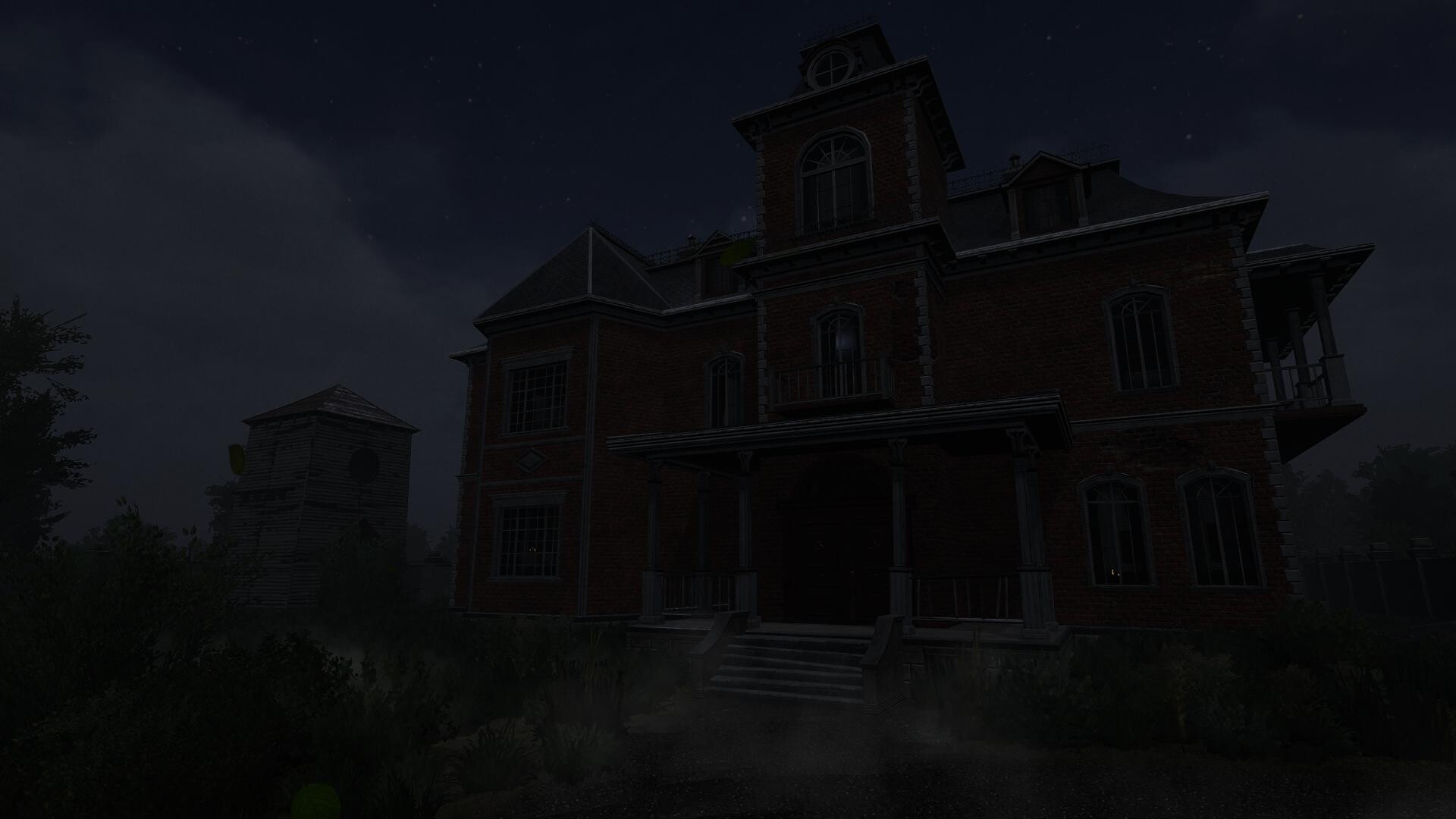

Compact facts: Trace of the Villa
| Title | Trace of the Villa |
|---|---|
| Steam AppID | 3483660 |
| Release date | 28 May, 2026 |
| Developer / Publisher | Steadyturtle Co., Ltd. |
| Genres | Action; Adventure; Indie |
| Categories | Single-player; Color Alternatives; Custom Volume Controls; Playable without Timed Input; Subtitle Options; Family Sharing |
| Short premise (official) | Jin searches a remote, decaying mansion where manifests and hints indicate his sister may still be alive. |
How it compares — a short editorial table
This comparison frames Trace of the Villa against other atmospheric, story-first horror and mystery titles on Steam. It focuses on genre, tone, puzzle emphasis, exploration style, and pacing — not on quality rankings.
| Title | Release | Atmosphere / Tone | Puzzle vs. Survival | Exploration style | Pacing |
|---|---|---|---|---|---|
| Trace of the Villa | 28 May, 2026 | Mansion mystery, identity erasure, investigative dread | Puzzle-driven investigation, document and system-based | Clue-driven, rooms-as-evidence | Slow-burn, methodical |
| Amnesia: The Dark Descent | 8 Sep, 2010 | Immersive first-person Gothic horror | Survival + environmental puzzles | Atmospheric, confined levels | Gradual dread with spikes of intensity |
| SOMA | 21 Sep, 2015 | Sci-fi existential dread | Exploration with puzzles; survival elements | Open, facility-based exploration | Slow, reflective, philosophical |
| Layers of Fear (2016) | 15 Feb, 2016 | Psychological, shifting-house horror | Narrative puzzles; mental-state mechanics | Shifting spaces that reveal story beats | Steady, uncanny escalation |
| Poppy Playtime | 12 Oct, 2021 | Playful-turned-creepy factory horror | Puzzle-adventure with tense encounters | Set-piece rooms and mechanical puzzles | More episodic spikes in tension |
Player scenarios — who should wishlist this
If you enjoy detective-style investigation
You’ll appreciate that Trace of the Villa rewards patience. The game’s mysteries are solved by restoring systems, reading manifests, and interpreting encrypted fragments rather than by combat or stealth encounters.
If you prefer environmental storytelling over visceral horror
The house tells its story in absences: unlabeled objects, locked safes, and erased records. Players who enjoy assembling narrative from transient evidence will find the pacing and design satisfying.
If you want slow-burn dread, not jump-scare choreography
Expect sustained atmosphere that leans on uncertainty. The game’s tension comes from what’s missing and the implications of falsified identities and suspicious transfer records discovered in safes and systems.
Where to find video previews
Search YouTube for trailers and gameplay footage to see pacing and UI in motion. Use this search (results may include community uploads and trailers; not all are official):
Ready to decide?
If your interest lies in a Steam indie horror built around exploration, document interpretation, restored systems, and a central theme of erased identities, Trace of the Villa is worth adding to your wishlist or watching closely.
View Trace of the Villa on Steam
Disclaimer: referenced titles and trademarks belong to their respective owners; comparisons here are editorial discovery only and not endorsements.
Leave a Reply