
Trace of the Villa — an atmospheric mansion mystery built around locked-room thinking and clue chains
Trace of the Villa puts you in Jin’s shoes as a single-player, story-rich adventure: a decaying mansion, power restored, and layered puzzles that reveal a larger conspiracy. The game leans on environmental storytelling and methodical clue-chaining—ideal for players who prefer slow-burn suspense and investigative puzzle design over action spectacle.

| Title | Trace of the Villa |
|---|---|
| Steam appid | 3483660 |
| Release date | 28 May, 2026 |
| Developer / Publisher | Steadyturtle Co., Ltd. |
| Genres | Action, Adventure, Indie |
| Categories / features | Single-player; Color Alternatives; Custom Volume Controls; Playable without Timed Input; Subtitle Options; Family Sharing |
Who this is for
Trace of the Villa suits players who enjoy atmospheric mystery adventure and narrative puzzle design. If you like reconstruction-style investigations—reading rooms as evidence, following manifest fragments, and tracing financial or identity clues—you’ll find the mansion’s structure rewarding. It’s made for single-player exploration rather than cooperative escape-room play.
What the game actually is
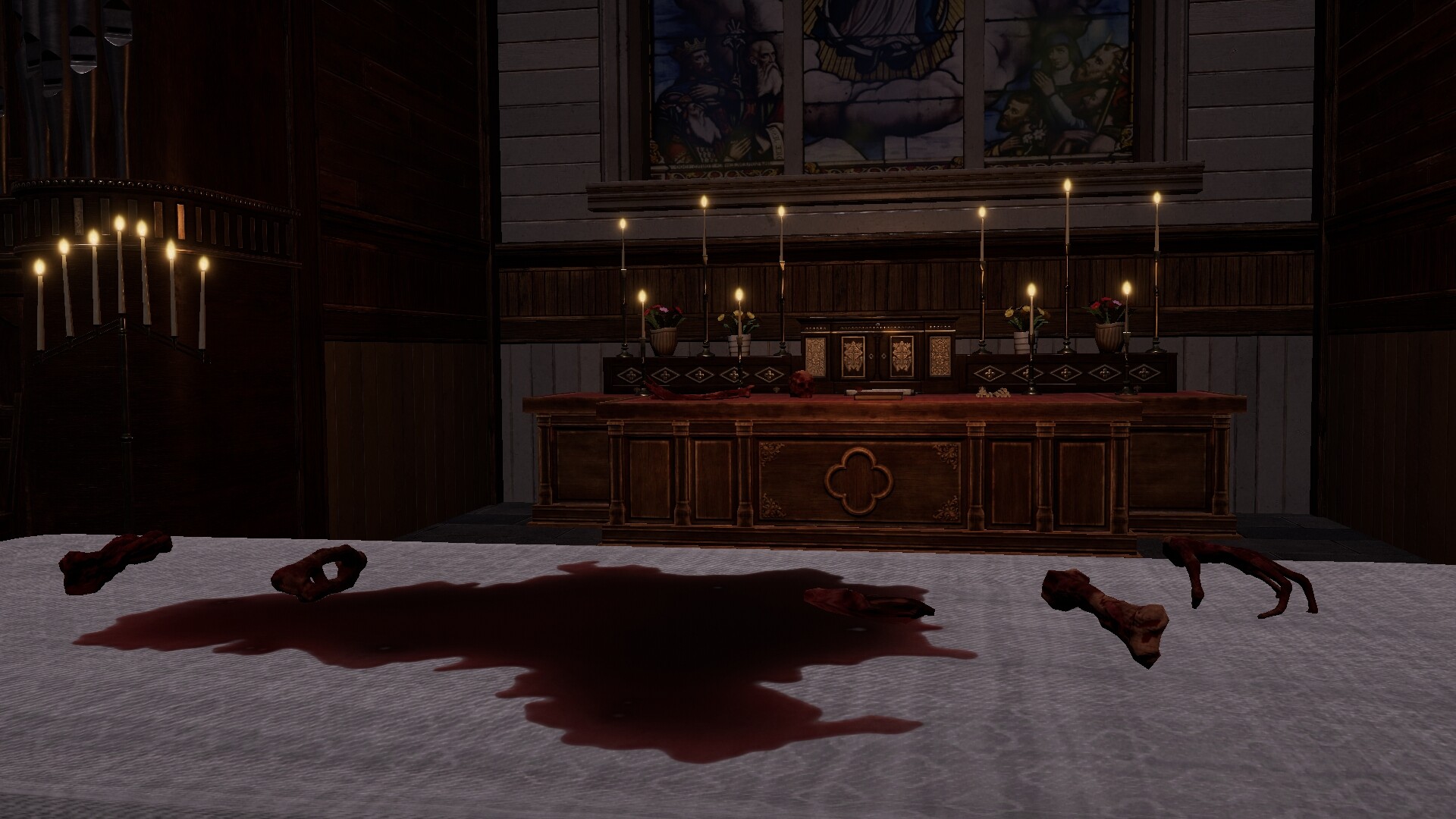
According to the Steam listing, you play Jin, who follows a lead to a remote, decaying mansion after years searching for his missing sister. The environment is presented as deliberately erased: furnished rooms with missing personal identifiers, locked doors, safes and secured systems. Gameplay emphasis is on exploration, restoring systems, and decoding evidence—each solved puzzle reveals another layer of the house’s concealed operation.

When and where — Steam availability
Trace of the Villa released on 28 May, 2026 and is available on Steam for PC. The Steam store page lists developer and publisher as Steadyturtle Co., Ltd. If you want to wishlist or view the store page, use the official Steam listing linked below in the purchase/CTA area.
Why the mansion theme matters here
Mansion settings are a natural fit for locked-room thinking because they concentrate clues into discrete, connected spaces. Trace of the Villa uses that density to make environmental reading meaningful: a single cabinet, power outage, or anonymous manifest can alter how you interpret an entire wing. The narrative implication—that identities were erased and people moved through the property under control—gives puzzles stakes beyond mechanical solutions, tying each solved lock to narrative progress.
How you read clues and progress
The Steam description emphasizes restoration and discovery as the core loop: restore power, bring secured systems back online, open hidden compartments, and extract fragments of encrypted documents and transfer records. Progress appears to be driven by interlocking systems—solving one puzzle (power, safe code, or system) unlocks new information that renormalizes other rooms. That creates puzzle chains where environmental observation, document reading, and inventory-managed solutions combine.
Player scenarios — who should wishlist
- Investigative puzzlers: You enjoy tracing timelines and reading rooms as forensic evidence rather than fast twitch reflex puzzles.
- Atmosphere-first players: You value slow-burn tension and carefully layered environmental storytelling.
- Single-player narrative fans: You prefer solitary exploration and story-driven pacing over multiplayer or co-op escapes.
- Players who dislike timed inputs: The Steam page lists “Playable without Timed Input”, making it suitable if you want to take notes and think without pressure.
How Trace of the Villa compares to nearby mystery and puzzle experiences
Below is a concise editorial comparison that focuses on genre, atmosphere, puzzle focus, exploration style, story tone, and pacing—useful criteria for Steam search intent when deciding which store pages to click.
| Title | Puzzle focus | Atmosphere / story tone | Exploration / playstyle |
|---|---|---|---|
| Trace of the Villa | Interlocking, system-based puzzles; safes, encrypted documents, power restoration | Decaying mansion, erased identities, investigative and slow-burning | Single-player, methodical environmental reading and narrative progression |
| The Room / The Room Two | Mechanical, tactile puzzles centered on single-object mysteries | Eerie, puzzle-box focused, intimate and claustrophobic | Single-player, focused puzzle-chamber progression |
| Escape Simulator | Steam page
Leave a Reply