
Trace of the Villa — an escape-room style mansion mystery built on power, systems, safes and paper trails
Trace of the Villa places you inside a deliberately forgotten mansion where restoring power and reactivating secured systems turn rooms from silent stage sets into active puzzle machines. Released on 28 May, 2026 and developed and published by Steadyturtle Co., Ltd., the game leans on environmental reading, chained clues and document fragments to convert investigation into forward momentum.

Who this is for
If you prefer methodical, single-player mystery adventures that reward patient observation, Trace of the Villa is aimed at you. The Steam page lists the game under Action, Adventure and Indie, but the playing loop described by the developer centers on investigation rather than twitch reflexes: restoring power, unlocking systems, opening safes and piecing together encrypted documents. Players who enjoy slow-burn suspense, narrative puzzle design and environmental storytelling should consider wishlisting.
What the game is (and what it does mechanically)
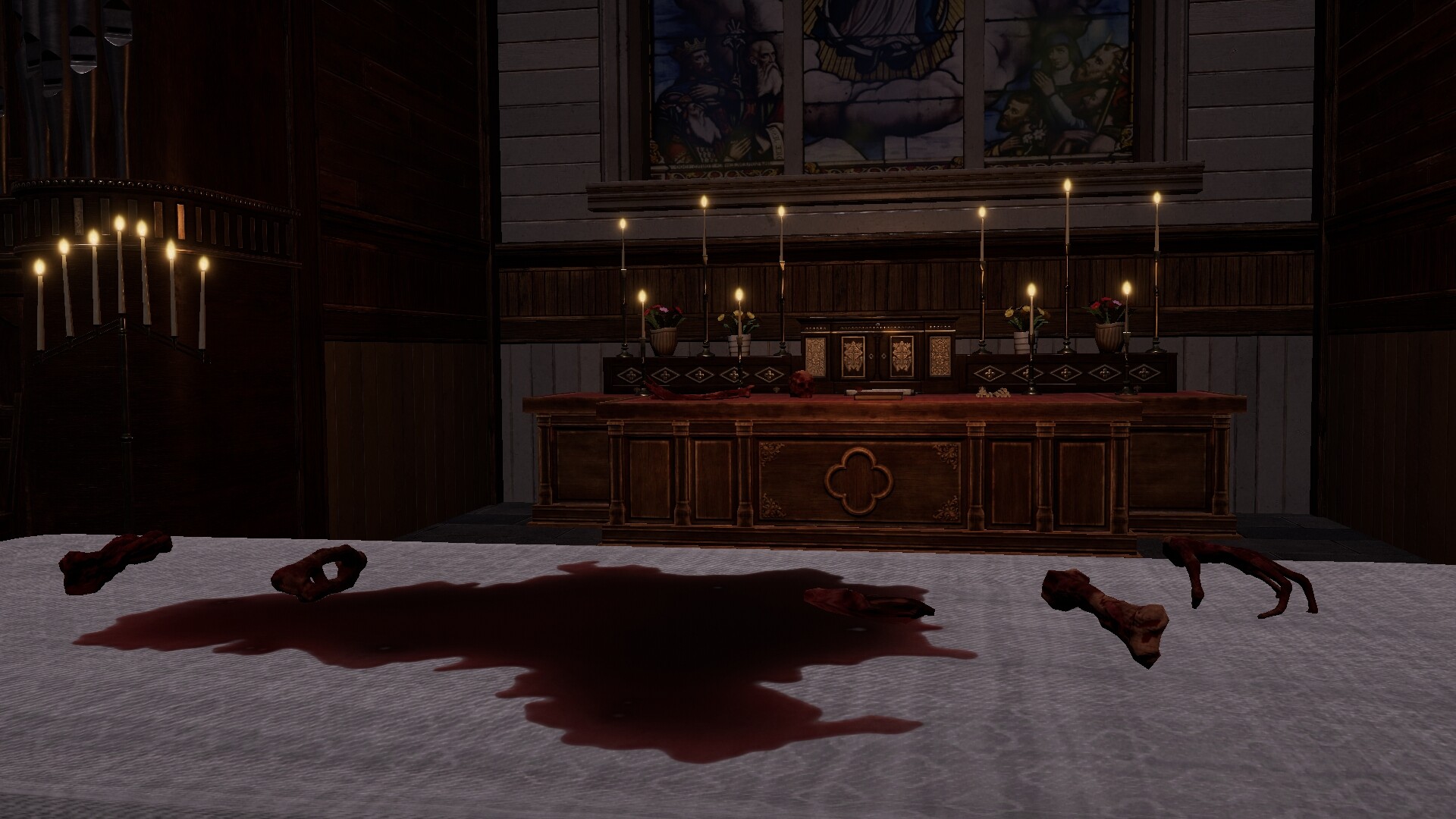
Officially described on its Steam page, Trace of the Villa follows Jin as he investigates a decaying mansion after a lead about his missing sister. The estate is cut off from the grid and appears erased of identities; rooms look as if occupants vanished mid-routine. When Jin restores power to the property, “secured systems come back online,” hidden compartments and safes open, and “fragments of encrypted documents and suspicious transfer records” emerge. The core mechanical premise is therefore puzzle-driven investigation bound to physical systems (power, locked hardware) and informational artifacts (manifests, documents, transfer records).

When and where — Steam specifics
Trace of the Villa launched on Steam on 28 May, 2026. The Steam app page lists developer and publisher as Steadyturtle Co., Ltd. and categorizes the title under Action, Adventure, Indie. It is presented as single-player with accessibility options such as Color Alternatives, Custom Volume Controls, Playable without Timed Input, Subtitle Options and Family Sharing.
| Title | Trace of the Villa |
| Release date | 28 May, 2026 |
| Developer / Publisher | Steadyturtle Co., Ltd. |
| Genres | Action, Adventure, Indie |
| Categories (selected) | Single-player; Color Alternatives; Custom Volume Controls; Playable without Timed Input; Subtitle Options; Family Sharing |
| Official premise | Investigate a derelict mansion, restore power, reactivate secured systems, open safes and read encrypted documents to follow a trail toward a missing sister. |
Why the theme and mechanics matter
Locked-room thinking — the idea of a confined space with interdependent puzzles — is literal here: systems are dormant until power returns, and solving one technical or physical challenge often unlocks the next discovery. That makes the mansion feel like an ecosystem of clues rather than a string of independent mini-games. The emphasis on manifests, transfer records and falsified identities also shifts some puzzle weight from purely spatial logic to forensic reading: documents act as keys, and financial/administrative fragments become contextual clues that alter how you interpret spaces and objects.
How you progress: reading the environment, chaining clues
According to the Steam description, progression hinges on two complementary behaviors:
- System-first interaction: restore power and reactivate secured hardware so the environment itself changes — lights, locks, electronically controlled safes or compartments — enabling new interactions.
- Document-first inference: gather manifests, encrypted fragments and transfer records to build a timeline and identify patterns (arrivals without records, departures without witnesses) that point to the next area or item to investigate.
Together these approaches create clue chains: a revived system exposes an object, that object contains a document, the document reframes a room and leads you to the next system to power up. The tone described on Steam suggests methodical work rather than on-the-fly combat or timed reaction sequences.
Which player scenarios fit best
- Late-night solo investigation: You enjoy slow pacing, close reading of text, and environmental cues. The mansion’s “erased” identity aesthetic and document fragments reward attentive play sessions.
- Puzzle-first completionist: You aim to find every safe and hidden compartment. The game’s mechanics that tie progress to systems coming back online will appeal if you like mechanical sequencing and layered locks.
- Story-driven detective: You treat clues as narrative pieces. If you care about piecing together why the estate existed and who passed through it, the fragmented documents and suspicious transfer records provide the connective tissue.
How it compares — quick editorial table
| Title | Core genre / tone | Puzzle focus | Exploration style | Pacing / player fit |
|---|---|---|---|---|
| Trace of the Villa | Action / Adventure / Indie — atmospheric, investigative | System reactivation, safes, encrypted documents, clue chains | Room-by-room mansion exploration, environmental storytelling | Slow-burn; best for players who want forensic reading and mechanical sequencing |
| The Room | Adventure / Indie — intimate mystery | Mechanical puzzles, safes and locks with tactile inspection | Focused, tableau-style puzzle spaces
Steam pageView Trace of the Villa on Steam YouTube discoveryFor trailer and gameplay discovery, use YouTube search rather than relying on unverified embeds: Find Trace of the Villa trailer and gameplay searches on YouTube. CommentsMore posts |
Leave a Reply