
Trace of the Villa: Rooms as Puzzle Spaces and Story Containers
Trace of the Villa is an atmospheric mystery adventure about Jin’s search for a missing sister inside a remote, decaying mansion. Released on 28 May, 2026 by Steadyturtle Co., Ltd., the game frames each room as both a mechanical puzzle and a narrative fragment, where clue-reading and object logic drive investigation forward.

Who, What, When, Where, Why, and How
Who it’s for
Players who favor slow-burn suspense and clue-driven exploration over action blitzes — those who enjoy reading environmental clues, assembling object logic, and letting story puzzles reveal a larger conspiracy — will find Trace of the Villa aligned with their tastes. The Steam listing positions the game for single-player PC audiences who appreciate story-rich adventure and atmospheric mystery.
What the game is
Trace of the Villa follows Jin, who has spent years searching for his missing sister. Leads bring him to a deliberately forgotten mansion where recovered manifests and hints suggest his sister may still be alive. Inside, rooms are furnished as if occupants vanished mid-routine; secured systems, hidden compartments, and safes reveal fragments of encrypted documents and suspicious transfer records. According to the Steam description, the estate’s traces point to falsified identities and controlled movements — the game pairs investigation with a steadily unfolding institutional mystery.
When and where
Trace of the Villa launched on 28 May, 2026 and is available on Steam for PC. Developer and publisher credit on the Steam page goes to Steadyturtle Co., Ltd.
Why the theme matters
Setting the story inside a decaying, deliberately erased mansion tightens the relationship between space and narrative. Rooms here are not mere backdrops: each preserves a partial routine, a missing photograph, an interrupted life — all of which become puzzle fodder. That framing makes object interactions and clue interpretation emotionally resonant rather than purely mechanical, reinforcing a psychology-first approach to investigative play.
How you progress: clue reading, object logic, and story puzzles
Progress is built on three editorial pillars visible in the Steam description: reading manifests and recovered hints, restoring estate systems to unlock new information, and solving secured, often encrypted, puzzles that reveal financial trails and falsified identities. In practice, that translates to close examination of room details, using objects to manipulate systems, and assembling narrative fragments into a timeline. The mansion’s locked doors and hidden compartments are both literal obstacles and containers for story beats — solving a mechanical lock yields text or data that recontextualizes prior clues.
Key Visuals
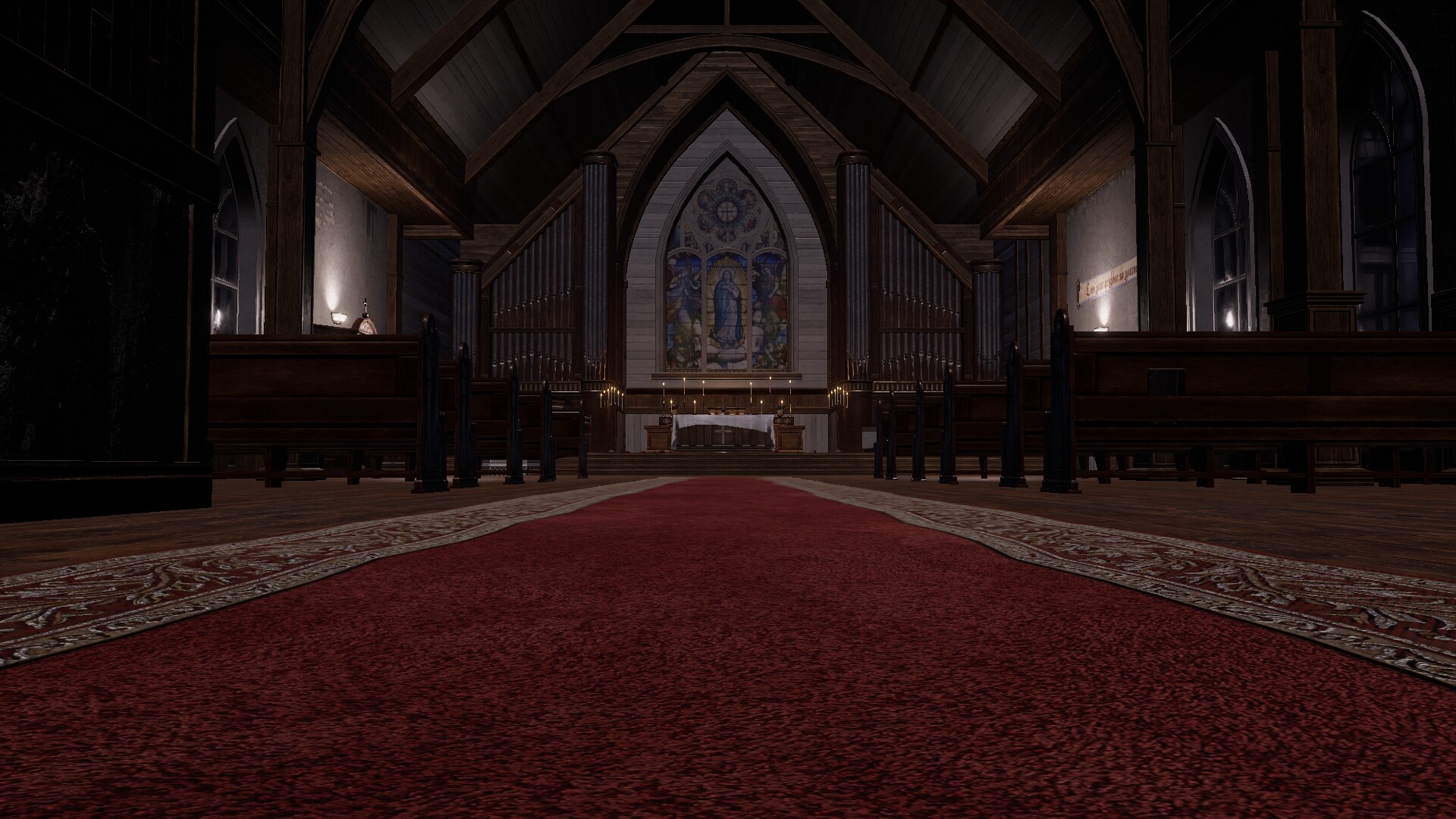

Compact Facts — Trace of the Villa
| Title | Trace of the Villa |
|---|---|
| Steam App ID | 3483660 |
| Release Date | 28 May, 2026 |
| Developer | Steadyturtle Co., Ltd. |
| Publisher | Steadyturtle Co., Ltd. |
| Genres | Action; Adventure; Indie |
| Categories | Single-player; Color Alternatives; Custom Volume Controls; Playable without Timed Input; Subtitle Options; Family Sharing |
How rooms operate as puzzles and story containers
Rooms in Trace of the Villa are designed to do double duty. Mechanically, they hold object puzzles — safes, secured systems, hidden compartments — that demand logical sequencing and item use. Narratively, the same rooms hold fragments of identity and chronology: manifests, transfer records, and altered or absent personal artifacts that invite interpretation. The result is a feedback loop: solving a mechanical problem yields a data fragment that reframes other rooms, and that reframing drives you back into exploration with a new hypothesis.
Player scenarios — who should wishlist it
- If you like investigative pacing: You appreciate slow unfolding of institutional secrets through text and environmental cues rather than frequent combat or timed reflex challenges.
- If you enjoy object-first puzzles: You want logic puzzles embedded in realistic systems — safes, power, and secured archives — where an unlocked device produces a narrative payoff.
- If you favor story tone and atmosphere: You prefer psychological investigation and mansion mystery settings where silence, absence, and erased identities are central motifs.
- If you want accessibility options: The Steam listing notes subtitles and options like color alternatives and custom volume controls that support a broader range of players.
How Trace of the Villa compares to related puzzle-adventure experiences
Below is a focused editorial comparison on lawful criteria: genre, atmosphere, puzzle focus, exploration style, story tone, and pacing. This is not a superiority claim — it’s a way to decide what kind of player will prefer each approach.
| Game | Genre / Tone | Puzzle Focus | Exploration Style | Player Fit |
|---|---|---|---|---|
| Trace of the Villa | Action / Adventure / Indie — mansion mystery, investigative | Clue-led safes, restored systems, encrypted documents (object logic + narrative payoff) | Room-by-room, system restoration opens new narrative layers | Players who want story-rich, slow-burn investigative puzzles |
| The Room | Adventure / Indie — locked-chamber mystery | Mechanical puzzles focused on safes and boxes | Concentrated single-room puzzle set pieces | Players who enjoy tactile, jewel-box mechanical puzzles |
| The Room Two | Adventure / Indie — cryptic, atmospheric continuation | Layered mechanical puzzles with a strong tactile feel | Discrete, crafted puzzle environments | Those who want atmospheric, sequential mechanical challenges |
| Escape Simulator | Adventure / Simulation — interactive escape rooms | Highly interactive objects, physics and item interactions | Modular rooms, emphasis on manipulation and discovery | Players who want hands-on interaction and sandbox puzzle play |
| Unpacking | Casual / Indie — domestic, reflective | Spatial, household-item puzzles that reveal life stories | Room-oriented but focused on placement and context | Players who prefer quiet, life-story discovery via objects |
Practical notes and Steam CTA
If the idea of restoring power to an estate to unlock hidden files and piece together falsified identities appeals to you, consider adding Trace of the Villa to your Steam wishlist. Official Steam listing: Trace of the Villa on Steam.
YouTube discovery
For trailers and gameplay footage, use this YouTube search path (search results may include trailers and gameplay captured by various creators): Search Trace of the Villa trailer & gameplay on YouTube.
Disclaimer
Referenced titles and trademarks belong to their respective owners. Comparisons are editorial discovery only and not endorsements or claims of affiliation.
Leave a Reply