
Trace of the Villa: a slow-burn mansion mystery built around clues, power, and a brother’s search
Trace of the Villa casts you as Jin, a man following a cold trail into a deliberately forgotten, decaying mansion; what looks like an abandoned estate slowly reveals locked systems, encrypted documents and the suggestion that Jin’s missing sister might still be alive. Released on 28 May, 2026 by Steadyturtle Co., Ltd., the game promises atmospheric mystery, puzzle-driven investigation, and the emotional stakes of a personal search.

Quick facts
| Title | Trace of the Villa |
|---|---|
| Developer / Publisher | Steadyturtle Co., Ltd. |
| Release date | 28 May, 2026 |
| Genres | Action, Adventure, Indie |
| Steam categories | Single-player; Color Alternatives; Custom Volume Controls; Playable without Timed Input; Subtitle Options; Family Sharing |
| Where to find | Trace of the Villa on Steam |
Who this is for
If you’re drawn to story-rich indie adventures with slow-burn suspense and environmental storytelling, Trace of the Villa is aimed at you. The Steam listing emphasizes a narrative investigation — Jin recovers manifests and encrypted fragments, restores power to a cut-off estate, and follows a trail of falsified identities and secured systems. Fans of detective-style exploration who prefer reading evidence, reactivating systems, and assembling a timeline from scattered clues will find the core loop appealing. The listed categories (subtitles, color alternatives, custom volume controls and the option to play without timed input) also suggest accessibility-minded design for players who prioritize readability and pacing control.
What the game is (and what it isn’t)
Trace of the Villa is presented on Steam as an Action / Adventure indie title centered on a personal investigation: Jin’s long search for his missing sister leads to a mansion that appears “erased” rather than merely abandoned. The official description describes restored power, unlocked safes, encrypted documents and suspicious transfer records — narrative puzzle beats and clue-driven exploration, rather than spectacle-driven reveals. While the genre tag includes Action, the marketing copy and categories emphasize exploration, environmental mystery, and puzzle discovery as the primary storytelling tools.

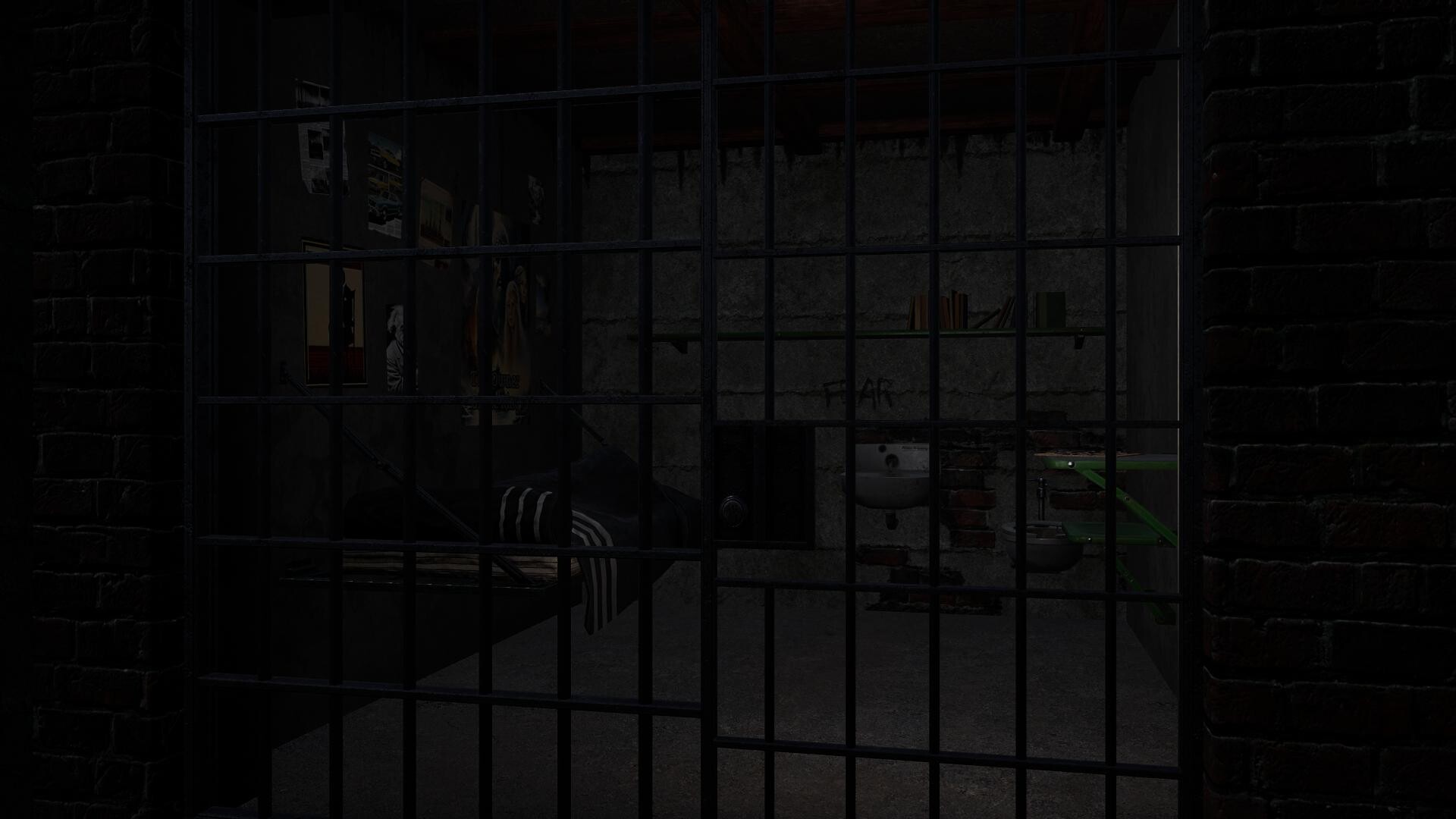
When and where: Steam / PC context
Trace of the Villa launched on Steam on 28 May, 2026. The store page lists the developer and publisher as Steadyturtle Co., Ltd. and places the game in single-player Action / Adventure / Indie categories. If the mansion-mystery premise and investigative pacing appeal, the Steam link above is the official route to wishlist or purchase.
Why the premise matters: narrative curiosity and emotional stakes
The game’s hook lands on two different curiosities. First, a procedural curiosity: the house is not just dusty — systems deliberately concealed are reactivated, safes yield fragments, and financial trails point to something larger. The official text frames discovery as cumulative: one restored circuit yields another layer of falsified identities and movements. Second, an emotional curiosity: Jin’s search for a missing sister turns what might be an academic mystery into a personal quest. That combination — forensic, evidence-led investigation anchored by a family stake — is what will keep players turning over every object and rechecking every log the mansion yields.
How you progress: reading the house
The Steam description makes the progression clear in tone if not in precise mechanics: you restore power, reactivate secured systems, open locked doors and safes, and assemble fragments of encrypted documents and transfer records. Each solved puzzle reveals more of an operation disguised as a residence: falsified identities, untraceable financial trails, and arrivals or departures without records. Expect a detective rhythm of discover → restore → decrypt → interpret, where environmental storytelling and small artifacts map into a larger timeline that explains the mansion’s purpose and, potentially, the fate of Jin’s sister.
Player scenarios — will this fit your playstyle?
- The methodical investigator: You like to take notes, backtrack when a new clue recontextualizes a room, and feel rewarded by assembling timelines from fragments. Trace of the Villa’s focus on manifests, encrypted documents and secured systems lines up with that pace.
- The atmospheric explorer: You choose games for mood and slow suspicion. If you prefer exploration that emphasizes tone, furnished-but-empty rooms and the sensation of a place “erased” should resonate.
- The puzzle-forward player with accessibility needs: The Steam categories include Subtitle Options, Color Alternatives, Custom Volume Controls, and Playable without Timed Input — features that help players who need readable text, audio control, or a non-rushed puzzle experience.
- The action fan curious about narrative mystery: The Action tag suggests moments beyond quiet exploration, but the store copy is squarely focused on narrative and forensic discovery; players expecting nonstop combat may find the experience more investigative than explosive.
How Trace of the Villa compares — a compact editorial table
| Title | Core focus | Atmosphere / tone | Puzzle vs exploration | Ideal player |
|---|---|---|---|---|
| Trace of the Villa | Investigation in a decaying mansion; restoring systems and reading encrypted fragments | Slow-burn, unsettling, forensic | Puzzle-driven exploration (clue and system recovery) | Players who want narrative stakes and environmental clues |
| Inscryption | Card-based odyssey blending deckbuilding and escape-room style puzzles (description) | Inky, meta-horror | Deck/escape hybrid — puzzle and meta-fiction | Players who like genre-mixing and psychological mystery |
| Outer Wilds | Open-world solar system mystery about an endless time loop (description) | Wonderful, melancholic, exploratory | Exploration-led puzzles and discovery in an open world | Players who favor systemic mysteries and non-linear exploration |
| Journey | Contemplative exploration of ancient, mysterious world (description) | Quiet, emotional, meditative | Exploration-first, minimal puzzle focus | Players seeking atmosphere and emotional pacing |
| The Forgotten City | Narrative-driven time loop adventure in ancient Rome (description) | Mystery, moral-weighted, investigative | Puzzle/narrative interplay with time-loop mechanics | Players who like story puzzles and moral stakes |
Leave a Reply