Trace of the Villa — why silence, rooms, and slow dread matter more than jump scares
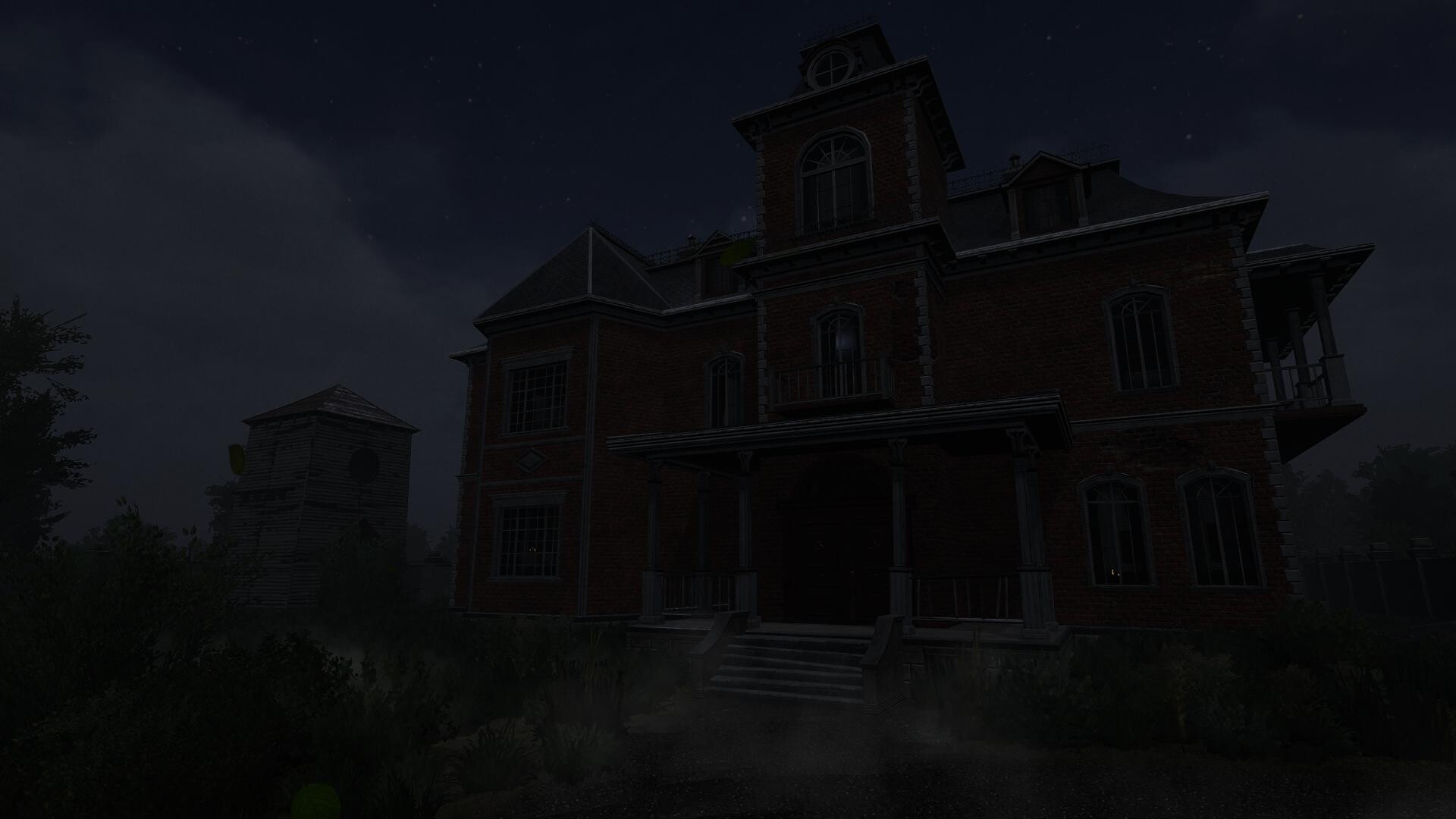
Trace of the Villa positions itself as a story-rich, atmospheric mystery adventure where the quiet weight of an emptied house does most of the psychological work. The game trades headline shocks for environmental dread: furnished rooms that feel “erased,” locked doors that guard carefully hidden histories, and a steady uncovering of manifests, safes, and encrypted fragments that make you nervous about what you’ll learn next.

Quick facts
| Title | Trace of the Villa |
|---|---|
| Steam appid | 3483660 |
| Release date | 28 May, 2026 |
| Developer / Publisher | Steadyturtle Co., Ltd. |
| Genres | Action, Adventure, Indie |
| Notable Steam categories | Single-player, Color Alternatives, Custom Volume Controls, Playable without Timed Input, Subtitle Options, Family Sharing |
| Premise | Jin searches a remote, decaying mansion for clues that may point to his missing sister; restoring power and solving puzzles reveals hidden systems, safes, and encrypted records. |
Who is this for?
If you favor slow-burn suspense and environmental storytelling over reflex-based scares, Trace of the Villa is aimed at you. The game fits players who enjoy clue-driven exploration and narrative puzzle design: those who want to read the layout of a room as a clue, follow a paper trail through manifests and transfer records, and feel tension arise from what the game refuses to show outright.
What the game actually is
Trace of the Villa casts you as Jin, a searcher piecing together a trail toward his missing sister inside a property deliberately cut off from the grid. According to the Steam description, the mansion shows signs of occupancy but lacks identity markers—personal items without photographs or names—creating a sensation of things being removed rather than abandoned. Gameplay emphasis is on investigation: restoring power, unlocking hidden compartments, cracking safes, and following encrypted fragments and suspicious records. That combination places it firmly in the realm of a psychological investigation with puzzle and exploration beats.
When and where
Trace of the Villa launched on Steam on 28 May, 2026. It’s available on the Steam store page for PC and lists standard single-player and accessibility categories such as subtitle options and custom volume controls—useful for players who prefer to tune their sensory exposure to slow tension.
Why environmental dread and unsettling room design matter more than shocks
Psychological tension grows when a space resists easy interpretation. The Steam description repeatedly underscores rooms that feel “erased”—furniture left in mid-routine, secured doors hiding hurried secrets, and objects that point to lives with names and photos stripped away. That design choice does two important things:
- It forces players to use the environment as a primary narrator. A chair set on its side, a sealed cabinet, or a ledger with missing entries becomes evidence rather than decoration.
- It sustains uncertainty. Without obvious jump points, dread is sustained as a background hum; every solved puzzle raises a new question, and the absence of clean answers makes later reveals feel earned and ominous rather than manufactured.
How you progress — the investigative loop
The official Steam text describes a clear progression loop: restore power to the estate, bring systems back online, and let the house reveal hidden things. That loop blends environmental puzzle solving (finding fuses, flipping switches), information puzzles (decrypting fragments, interpreting manifests and transfer records), and spatial discovery (opening sealed rooms and safes). The game appears to use these mechanics to convert quiet exploration into narrative momentum: each unlocked system yields clues that point to the next locked space.
Player scenarios — who should wishlist it
- Investigation-first players: if you prefer reading lists, manifests, and environmental hints to immediate enemy encounters, wishlist this for the investigative beats.
- Atmosphere and pacing fans: if slow-burn dread, careful room reading, and paced reveal sequences are your preference, this fits better than shock-heavy horror.
- Accessibility-minded players: Steam categories show subtitle options, custom volume controls, and “playable without timed input,” which make it approachable for players who need a less reflex-oriented experience.
- Not for jump-scare-only players: if your main goal is adrenaline hits and constant enemy confrontations, other titles emphasize that more directly.
How it compares (editorial)
Below is a compact editorial comparison with a handful of titles that appear commonly in discussions around atmospheric horror and puzzle exploration. This is a factual, side-by-side view on core design emphasis and player fit—not a ranking.
| Title | Core genre / tone | Puzzle vs. survival | Exploration style | Pacing / player fit |
|---|---|---|---|---|
| Trace of the Villa | Action / Adventure / Indie — mansion mystery, investigative | Clue-driven puzzles, decrypting manifests, system restoration | Room-by-room investigation, hidden compartments, locked safes | Slow-burn, narrative puzzle players who favor environmental dread |
| Amnesia: The Dark Descent | Action / Adventure / Indie — immersion and survival horror | Survival-focused with puzzle elements (darkness and sanity mechanics) | First-person, continuous isolation exploration | Players seeking intense immersion and psychological survival mechanics |
| SOMA | Action / Adventure / Indie — sci-fi psychological horror | Story-driven puzzles with strong existential themes | Structured levels with narrative beats in a contained environment | Players who want a philosophical, tension-filled narrative undercut by dread |
| Layers of Fear (2016) | Adventure / Indie — shifting Victorian mansion, psychological | Exploration and environmental puzzles focused on narrative revelation | Unstable, shifting spaces that alter perception and layout | Fans of artful, disorienting mansion horror and story-driven pacing |
| Poppy Playtime | Action / Adventure / Indie — puzzle-adventure with creature threats | Puzzles blended with chase/avoidance segments | Facility-based exploration with set-piece encounters | Players seeking a mix of puzzles and higher-tension confrontation |
YouTube discovery
If you want video trailers or gameplay footage, search results can be browsed here: Trace of the Villa — YouTube search. This link is provided as a video discovery path; specific videos should be verified for official status before assuming they are developer-published.
Steam store: Trace of the Villa on Steam
References: official Steam store page and publicly listed store metadata for Trace of the Villa (Steadyturtle Co., Ltd.), plus factual comparison data pulled from titles commonly associated with psychological and atmospheric horror on Steam. Comparisons are editorial discovery only.
Disclaimer: Referenced titles and trademarks belong to their respective owners; this piece uses public Steam data for factual comparisons and editorial context only.
Leave a Reply