
Who should consider Trace of the Villa after enjoying atmospheric mystery adventures
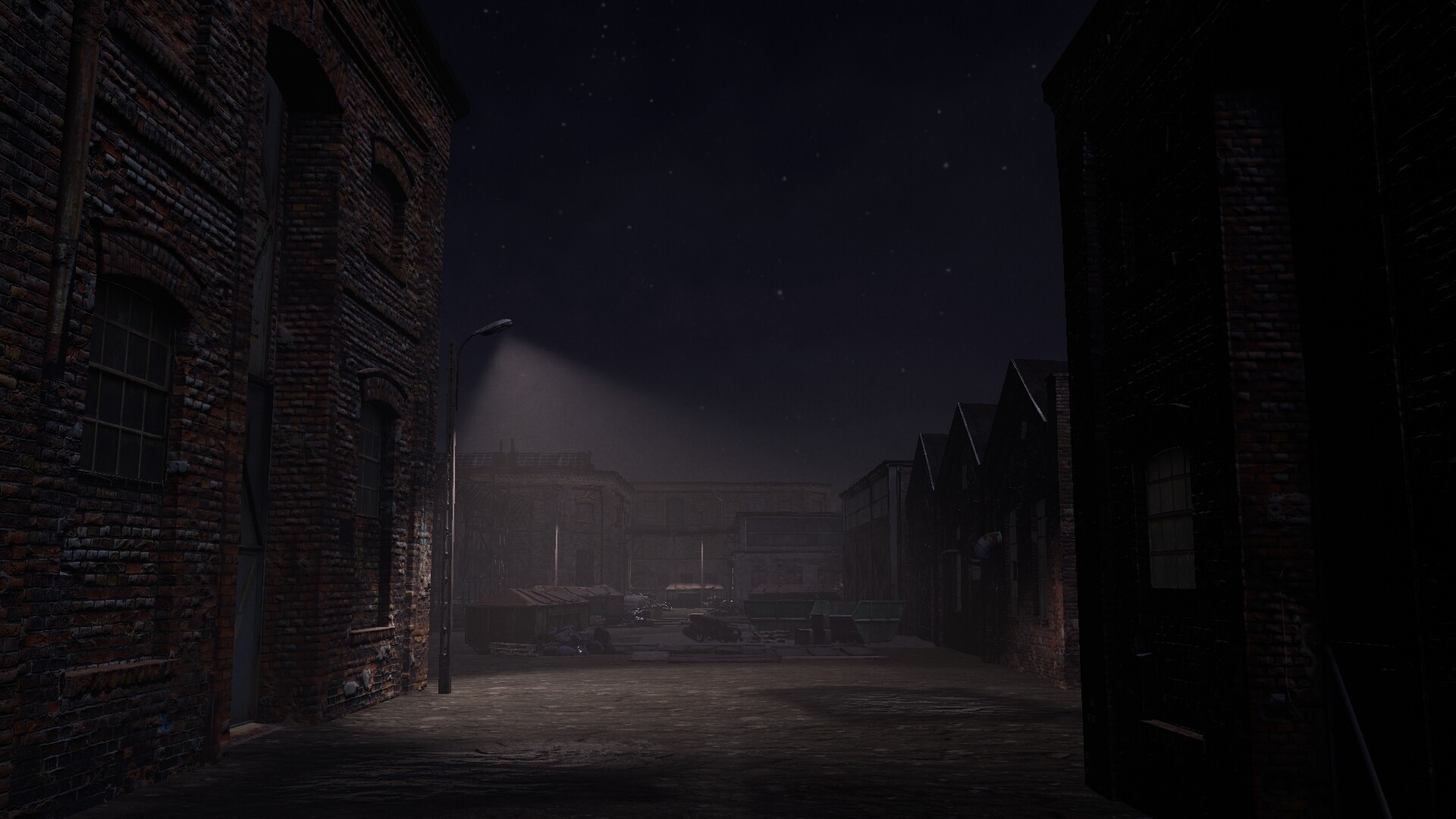
Trace of the Villa puts you in Jin’s shoes: a years-long search for a missing sister that leads to a remote, decaying mansion where manifests, encrypted fragments and suspicious transfer records hint that someone — or something — managed lives here under strict control. If you prize environmental evidence, forensic curiosity, and a slow-burn, clue-driven investigation in deserted estates, this Steam release deserves a close look.

Quick facts
| Title | Trace of the Villa |
|---|---|
| Steam AppID | 3483660 |
| Release date | 28 May, 2026 |
| Developer / Publisher | Steadyturtle Co., Ltd. |
| Genres | Action, Adventure, Indie |
| Notable Steam categories | Single-player; Color Alternatives; Custom Volume Controls; Playable without Timed Input; Subtitle Options; Family Sharing |
What Trace of the Villa is
Official Steam material frames Trace of the Villa as a narrative puzzle/adventure built around one investigator’s search. Jin follows a lead to a property “cut off from the grid and deliberately forgotten.” Inside, rooms feel “less abandoned than erased”: furnishings left mid-routine, locked doors, hidden compartments, safes and fragments of encrypted documents that form a trail of falsified identities and suspicious transfers. When power is restored to the estate, systems come back online and more evidence reveals itself — your progress is driven by piecing together these environmental clues.
When and where
Trace of the Villa released on Steam on 28 May, 2026. It is presented for PC on the Steam storefront; the developer and publisher listed are Steadyturtle Co., Ltd. The store listing explicitly notes accessibility features such as subtitle options, custom volume controls and “playable without timed input,” which matter for players who prefer measured, thoughtful pacing.
Why the mansion-and-forensics angle matters
There are many ways a mystery can be staged — jump-scare horror, purely mechanical puzzle rooms, or slow, evidence-first investigations. Trace of the Villa leans into the latter: the narrative is presented through environmental evidence (manifests, transfer records, encrypted fragments) and the act of restoring and interpreting estate systems. That forensic framing changes the detective work. You’re not only solving puzzles but reconstructing how lives were made to disappear: identities removed, arrivals without records, departures without witnesses. If you like story puzzles that reward attentive reading of place and object, the theme here will feel purposeful rather than decorative.
How progression and investigation work (what the Steam text shows)
- The official description highlights documentary evidence — manifests, encrypted documents, transfer records — as primary clues you recover.
- Restoring power is a literal game beat: when Jin brings estate systems back online, hidden compartments and safes begin to yield further evidence.
- Progression is therefore layered: solving environmental puzzles or reactivating systems opens new information that reframes earlier findings, driving a piecemeal reconstruction of the estate’s recent history.
Who should wishlist Trace of the Villa
Consider Trace of the Villa if you identify with any of the following player scenarios:
- You enjoy atmospheric mystery adventures where the house itself is the primary narrator — evidence in rooms, objects and failed systems tell the story.
- You prefer slow-burn investigations and forensic curiosity over reflex-based gameplay; Steam notes like “playable without timed input” support a deliberate pace.
- You value accessibility options (subtitles, custom volume controls, color alternatives) because you want to read and absorb every textual fragment and audio cue.
- You like narrative puzzle design that links financial or administrative records to personal stories — manifests and suspicious transfers are explicit plot elements.
How it compares to nearby mystery / puzzle titles
Below is an editorial comparison focused on genre, atmosphere and play style so you can decide how Trace of the Villa might fit your backlog alongside similar PC mystery experiences.
| Title | Genre / Focus | Atmosphere / Tone | Puzzle / Investigation style | Pacing / Player fit |
|---|---|---|---|---|
| Trace of the Villa | Action, Adventure, Indie — narrative puzzle, estate investigation | Decaying mansion; forensic, evidence-based | Clue-driven (manifests, encrypted docs, systems restored) | Slow-burn; for players who read environmental evidence and reconstruct timelines |
| Amnesia: The Dark Descent | Action, Adventure, Indie — first-person survival horror | Immersive, unsettling; horror-focused | Exploration with survival mechanics and atmospheric puzzles | High-tension; suits players seeking fear-driven immersion |
| SOMA | Action, Adventure, Indie — sci-fi horror | Claustrophobic, existential; atmospheric and philosophical | Exploration and narrative puzzles framed by sci-fi systems | Deliberate but tense; players who like story-heavy, unsettling environments |
| Layers of Fear (2016) | Adventure, Indie — psychological horror | Victorian, hallucinatory; psyche-focused | Environmental puzzles in a shifting mansion | Psychological, variable pace; for players who prioritize story and mood |
| The Room | Adventure, Indie — tactile puzzle box experience | Focused, mysterious; isolated puzzle rooms | Mechanical, tactile puzzles with a single-object focus | Puzzle-first; great for players who like tight, handcrafted challenges |
| Rusty Lake Hotel | Adventure, Indie — point-and-click puzzle series | Dark, surreal; episodic mysteries | Short, contained puzzles linked by a broader strange narrative | Compact sessions; for players who like surreal puzzles with a recurring thematic thread |
Player scenarios — pick based on playstyle
- If you liked the way Layers of Fear uses a mansion’s rooms to reveal a fragmented psyche, but you prefer documentary evidence and administrative traces (manifests, transfer records) over internal hallucination, Trace of the Villa leans more forensic than psychodramatic.
- If you appreciated The Room’s emphasis on reading mechanical detail and solving layered locks, but want that attention applied to a larger estate and narrative thread, Trace of the Villa applies similar patience across a broader setting.
- If you enjoyed SOMA or Amnesia for atmosphere but found their survival or horror mechanics too intense, Trace of the Villa’s Steam listing (including “playable without timed input” and subtitle options) suggests a more measured investigative pace focused on clues and systems rather than constant threat mechanics.
YouTube discovery
If you want to preview trailers or gameplay videos, use a YouTube search for Trace of the Villa: https://www.youtube.com/results?search_query=Trace+of+the+Villa+trailer+gameplay. Note: this is a search link for discovery; verify video sources on upload pages before assuming an official channel.
Steam link
View Trace of the Villa on Steam
Disclaimer: referenced titles and trademarks belong to their respective owners. Compar
Leave a Reply