
Trace of the Villa — an atmospheric, clue-driven mansion mystery on Steam
Jin has spent years searching for his missing sister, and a lead brings him to a remote, decaying mansion where recovered manifests and hints suggest she may still be alive. Trace of the Villa (released on 28 May, 2026) is an action‑adventure indie from Steadyturtle Co., Ltd. that uses restored systems, safes and documents to unfold a slow‑burn, environmental investigation.
What Trace of the Villa is
Trace of the Villa is a single‑player PC title on Steam developed and published by Steadyturtle Co., Ltd. The official premise centers on Jin exploring a deliberately forgotten estate: rooms are furnished but identities and records are missing, and locked doors and secured systems hide traces of a larger, concealed operation. Restoring power is a clear gameplay beat in the official description — secured systems come back online, hidden compartments unlock, and safes yield fragments of encrypted documents and suspicious transfer records that chain into the larger mystery.

When and where
Trace of the Villa launched on Steam on 28 May, 2026. It is presented as a single‑player, story‑driven PC experience with accessibility options listed on its Steam page (color alternatives, custom volume controls, subtitle options, and playable without timed input).
Why the theme matters — power, systems, safes, documents
The game’s official description frames investigation as systems restoration: when Jin restores power, the house begins to reveal what it was hiding. That ties locked‑room mystery mechanics to tangible systems design — flipping a breaker doesn’t just brighten a corridor, it reactivates secured terminals; safes and locked doors yield encrypted paperwork that links together a financial and identity trail. For players who enjoy environmental storytelling and clue chains, this makes the mansion itself a puzzle box: power and infrastructure are as much a mechanic as keys or codes.
How you progress — reading the environment and chaining clues
The official material describes progression built from recovered manifests, encrypted documents, transfer records and the reactivation of estate systems. That suggests a puzzle loop where discovery (find a terminal, restore power, open a safe) reveals new artifacts that must be read and cross‑referenced. Expect narrative puzzle design that rewards careful inspection and chain‑link reasoning: a clue in a manifest points to a sealed ledger, the ledger points to a locked room that only opens once a subsystem is restored.
Who should wishlist it — player-fit scenarios
- Locked‑room and slow‑burn fans: If you prefer methodical exploration, environmental cues and puzzles that build into a narrative rather than constant combat, the mansion’s system‑based reveals are a good match.
- Environmental storytellers: Players who enjoy piecing together a timeline from objects, documents and infrastructure (power, terminals, safes) will find the game’s premise intentionally aligned with that work.
- Action‑adventure players curious about atmosphere: The game is tagged Action/Adventure/Indie — expect some pacing or traversal elements alongside investigative beats, not a pure point‑and‑click puzzle title.
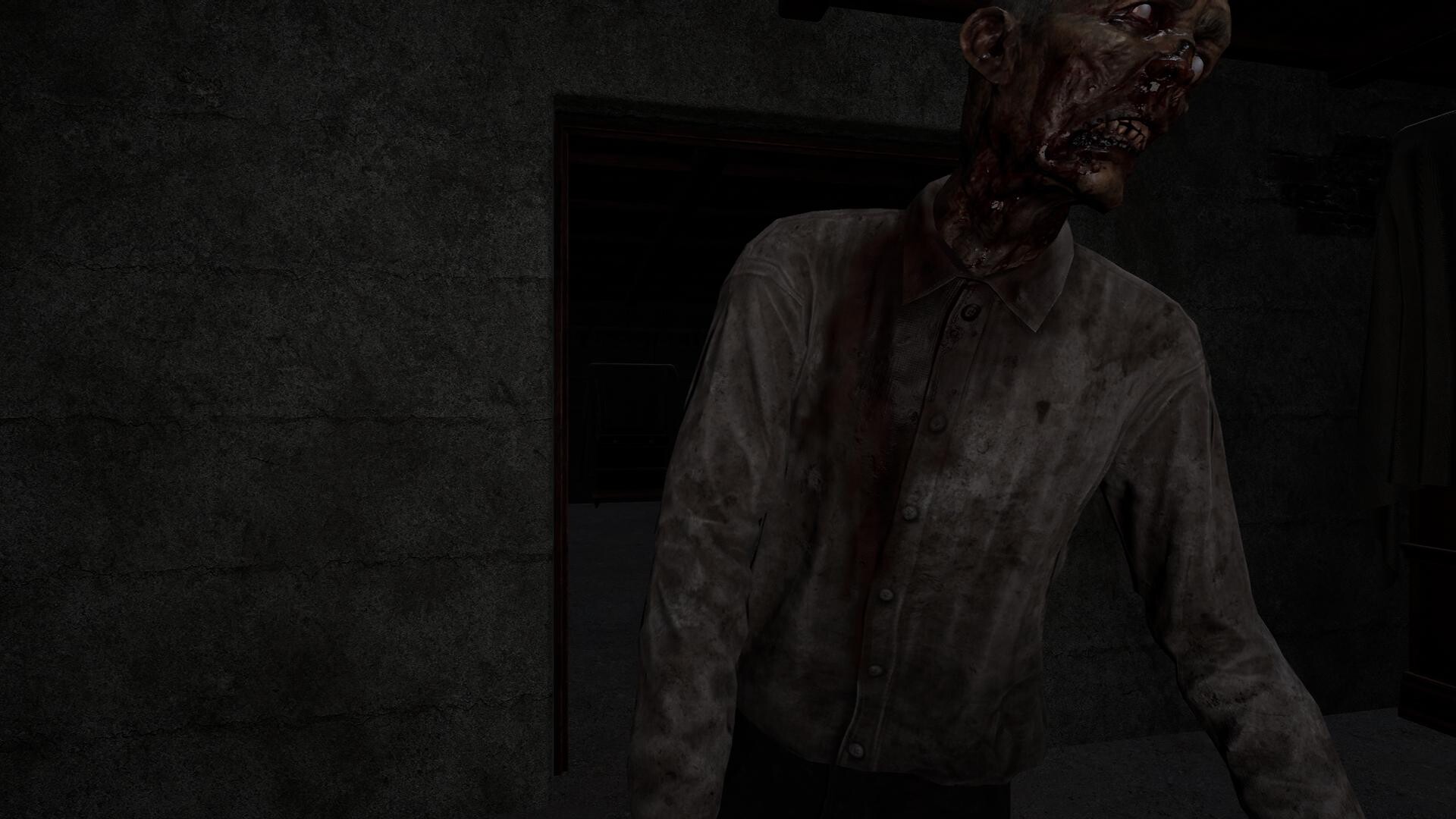
Compact facts — Trace of the Villa
| Title | Trace of the Villa |
|---|---|
| Steam AppID | 3483660 |
| Developer / Publisher | Steadyturtle Co., Ltd. |
| Release date | 28 May, 2026 |
| Genres | Action, Adventure, Indie |
| Categories | Single-player; Color Alternatives; Custom Volume Controls; Playable without Timed Input; Subtitle Options; Family Sharing |
How it compares — short editorial table
Below are lawful editorial comparisons focused on genre, atmosphere and puzzle approach to help you decide fit, not to rate or endorse.
| Title | Primary genre / focus | Puzzle / exploration style | Tone / pacing | Player fit |
|---|---|---|---|---|
| Trace of the Villa | Action / Adventure, narrative mystery | System restoration, safes, documents, chained clues | Slow‑burn, atmospheric, investigative | Players who like environmental storytelling and clue chains |
| The Room | Adventure, puzzle | Single‑room mechanical puzzles; tactile safe/box solving | Close, mysterious, puzzle‑forward | Fans of object‑based mechanical puzzles and tactile lockboxes |
| The Room Two | Adventure, puzzle | Similar to The Room: chained mechanical puzzles across connected spaces | Mysterious, focused on discovery and gradual reveal | Players who enjoyed the original and want more multi‑stage puzzle locales |
| Escape Simulator | Adventure / Simulation; interactive escape rooms | Highly interactive rooms, physics‑driven object use, community rooms | Varied pacing — quick puzzles to elaborate rooms; cooperative options | Those who want hands‑on manipulation and replayable room design |
| Hi‑Fi RUSH | Action (rhythm/action blend) | Combat and rhythm mechanics rather than environmental puzzles | Fast, beat‑driven, energetic | Players seeking action and music‑sync gameplay rather than investigation |
Player scenarios — how the game will feel in practice
Evening of methodical deduction
You have a few hours and want to slowly map a mansion: you restore sections of power, consult recovered manifests, and methodically link documents to locked rooms. The pace is investigative and cerebral.
Focused, document‑driven play session
You’re drawn to reading recovered paperwork and tracing financial or identity oddities. Safes and encrypted documents are central — expect gameplay that rewards careful attention to fragments and cross‑referencing.
Atmosphere with occasional action
If you enjoy atmospheric tension but like some action elements in an adventure structure, the Action/Adventure tag signals occasional pacing changes and interactive moments beyond pure puzzle solving.
Watch or search for trailers
For gameplay footage and trailers, search YouTube using this discovery path (this is a search/discovery link; a given result may or may not be an official trailer): Trace of the Villa — YouTube search.
 View Trace of the Villa on Steam
Leave a Reply