
Trace of the Villa: why quiet tension and uncertainty beat cheap shocks
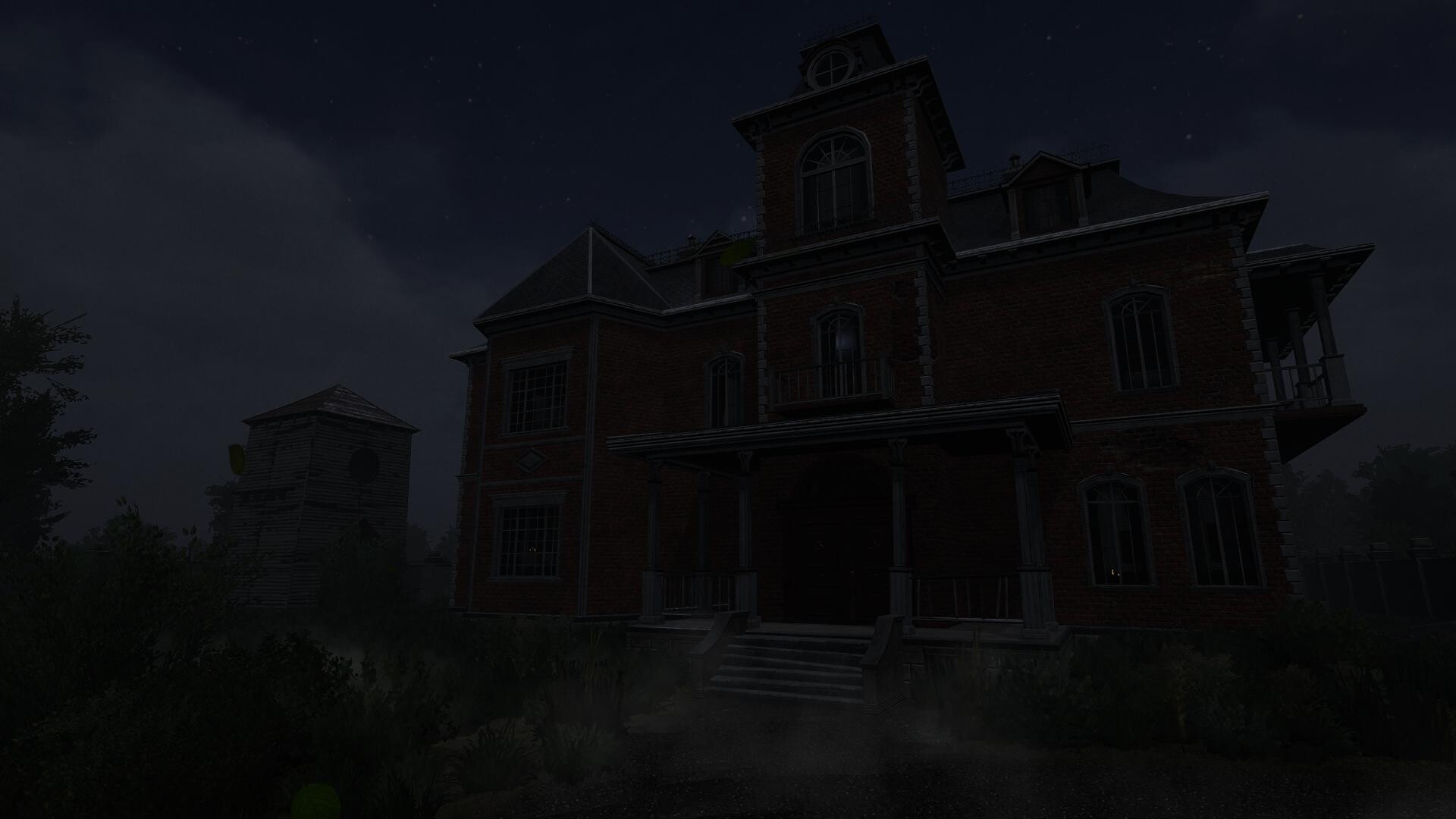
Trace of the Villa is a Steam indie mystery built around slow-burn investigation and atmospheric restraint. Released on 28 May, 2026 by Steadyturtle Co., Ltd., it puts a returning protagonist named Jin into a decaying mansion where recovered manifests hint that his missing sister may still be alive.

What Trace of the Villa is
Officially described on Steam as an investigation into a remote, deliberately forgotten mansion, Trace of the Villa follows Jin as he pieces together manifests and hints that suggest his sister may still be alive. The house is presented as less abandoned than erased: lived-in rooms, locked doors, and personal effects that lack names or photographs. When Jin restores power, secured systems and hidden compartments start to reveal encrypted documents, suspicious transfer records, and a pattern of unrecorded arrivals and departures.
The Steam page lists the game under Action, Adventure, and Indie and highlights single-player and accessibility-minded categories such as Color Alternatives, Custom Volume Controls, Playable without Timed Input, and Subtitle Options.
Who this is for
If you prefer mood-driven horror over headline-grabbing jump scares, this is the kind of PC mystery game to wishlist. Trace of the Villa will appeal to players who enjoy environmental storytelling, clue-driven exploration, and slow-burn suspense: people who like reading fragments, restoring systems, and letting unease accumulate rather than being jolted repeatedly.
When and where
Trace of the Villa released on Steam on 28 May, 2026. It is developed and published by Steadyturtle Co., Ltd. and is available on the game’s Steam store page.
Why quiet tension and uncertainty matter
Psychological horror built on restraint rewards attention. A drained hallway, a single powered lamp, and a safe that yields only a fragment can make the unknown feel vast. Trace of the Villa’s premise — identities erased, movements masked, and evidence that people were moved through the property under control — sets players up to experience dread as a narrative discovery mechanic, not just a mechanical shock. When the world feels carefully curated and partial, the player supplies the missing pieces; that internal filling-in is often scarier and longer-lived than a timed scare.
How you progress
Progress in Trace of the Villa centers on investigation and restoration. Jin finds manifests and hints, restores power to the estate, and watches secured systems come back online. Hidden compartments unlock and safes yield fragments of encrypted documents and records. Each recovered clue points toward further puzzles and layers of a concealed operation — financial trails, falsified identities, and arrivals and departures that don’t line up with official records. The categories listed on Steam (Playable without Timed Input, Custom Volume Controls, Subtitle Options) suggest a deliberate design for paced, thoughtful play rather than twitch reflex sequences.
Player scenarios — who should wishlist this
- Slow-burn explorers: You like exploring a mansion at your own pace, scanning rooms for small inconsistencies and story fragments.
- Narrative puzzle fans: You enjoy unlocking gadgets, restoring systems, and piecing together a timeline from documents and encrypted records.
- Atmosphere-first players: You prefer mood, silence, and the dread of not knowing over frequent jump scares.
Compact facts
| Title | Trace of the Villa |
|---|---|
| Steam AppID | 3483660 |
| Release date | 28 May, 2026 |
| Developer / Publisher | Steadyturtle Co., Ltd. |
| Genres | Action, Adventure, Indie |
| Key categories | Single-player; Color Alternatives; Custom Volume Controls; Playable without Timed Input; Subtitle Options; Family Sharing |
| Official short description | “Jin has spent years searching for his missing sister, pursuing leads that took him to a remote, decaying mansion where he recovered manifests and hints that indicate his sister may still be alive, somewhere at the end of the trail he is about to follow.” |

How it sits alongside other psychological/horror mysteries
Below is a concise editorial comparison on lawful criteria: atmosphere, puzzle focus, exploration style, story tone, and pacing. These are intended to help readers decide which of these titles better matches their preferences.
| Title | Tone / Setting | Puzzle vs. Survival | Exploration style | Pacing / Who it’s for |
|---|---|---|---|---|
| Trace of the Villa | Mansion mystery; erased identities; investigative atmosphere | Puzzle-led, clue-driven exploration | Room-by-room, environmental storytelling; restoration of systems | Slow-burn, for players who favor mood and narrative discovery |
| Amnesia: The Dark Descent | Gothic, oppressive; first-person survival horror | Survival elements with immersive puzzles | First-person, atmospheric corridors and puzzles | Intense immersion; players who want sustained dread and vulnerability |
| SOMA | Sci-fi, underwater; existential and atmospheric | Story and survival; puzzle and stealth moments | Exploration of confined, narrative-rich environments | Players who value narrative questions about identity and consciousness |
| Layers of Fear (2016) | Victorian mansion; surreal psychological horror | Atmosphere and story-focused puzzles | Shifting corridors and curated set pieces | Fans of psychological, artful horror and unreliable reality |
| Poppy Playtime | Abandoned toy factory; puzzle-horror with mechanical exploration | Puzzle-adventure with scripted encounters | Tool-driven puzzles and environmental traversal | Players seeking puzzle mechanics mixed with horror set pieces |
Where to look for trailers / gameplay
If you want to see trailers or gameplay clips, use this YouTube search path (search results may include developer or fan uploads): Trace of the Villa trailer & gameplay on YouTube. This is a discovery link—confirm any official
Leave a Reply