
Trace of the Villa — why quiet dread and empty rooms matter more than loud scares
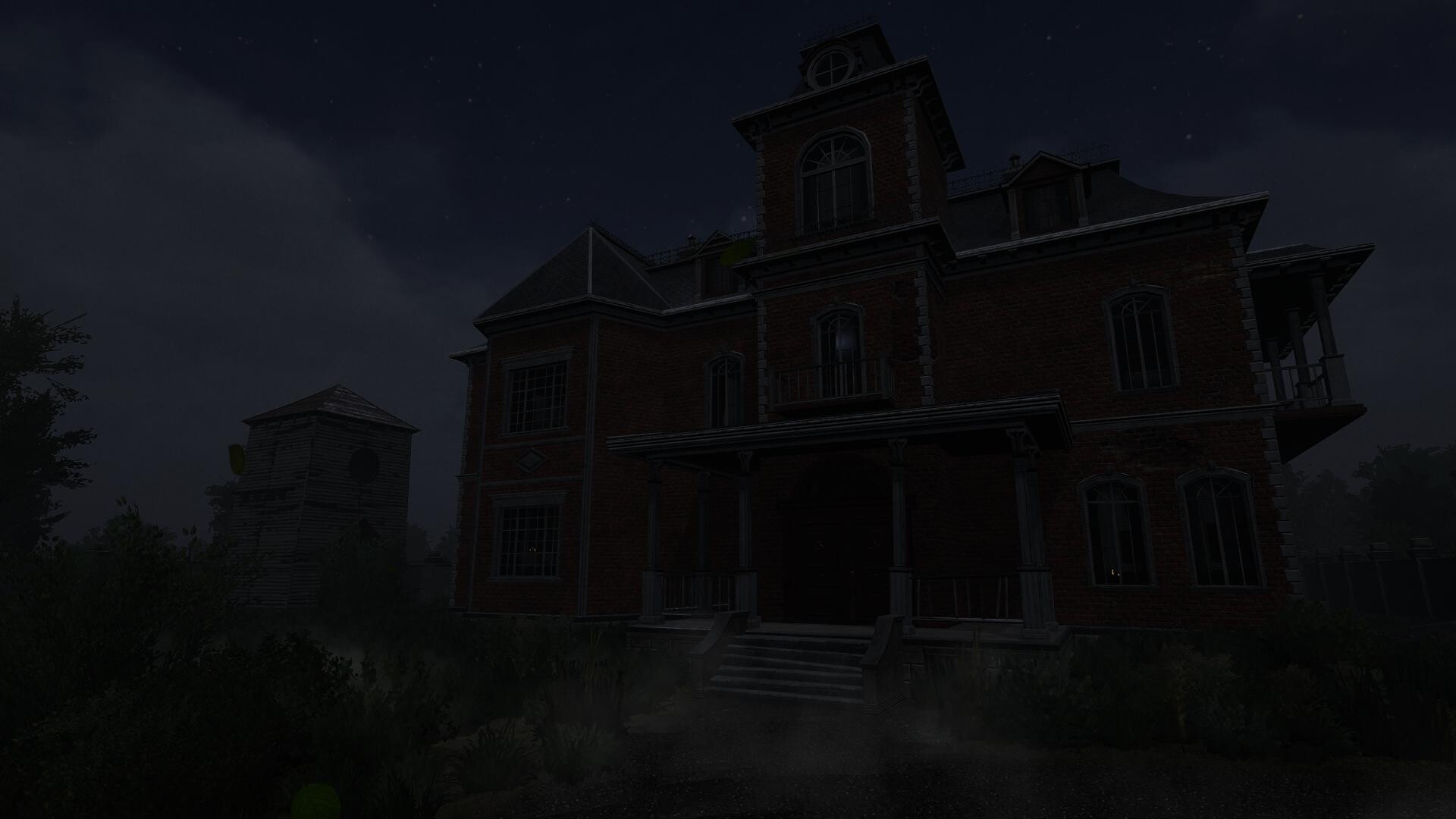
Trace of the Villa drops you into a decaying, cut‑off mansion where Jin follows fragments of a trail that might lead to his missing sister. The game leans on slow, accumulative unease — the kind of tension that makes every ordinary object feel like a clue or a lie.

Quick facts
| Title | Trace of the Villa |
|---|---|
| Steam App ID | 3483660 |
| Release date | 28 May, 2026 |
| Developer / Publisher | Steadyturtle Co., Ltd. |
| Genres | Action, Adventure, Indie |
| Categories | Single-player; Color Alternatives; Custom Volume Controls; Playable without Timed Input; Subtitle Options; Family Sharing |
| Short premise | Jin has spent years searching for his missing sister, pursuing leads that took him to a remote, decaying mansion where he recovered manifests and hints that indicate his sister may still be alive, somewhere at the end of the trail he is about to follow. |
| Steam reviews | No user reviews (as listed on Steam public summary) |
Who this is for
Wishlist this if you favor atmospheric mystery adventure and methodical psychological investigation over fast jumps and scripted shocks. The Steam page and official description point to an experience built around environmental storytelling, locked systems, and the slow return of power and records — a fit for players who enjoy clue‑driven exploration and narrative puzzle design inside an unsettled mansion.
The inclusion of options like Playable without Timed Input and Subtitle Options suggests the pacing is deliberate rather than twitch‑based, and the categories support a single‑player, story‑oriented session rather than repeated competitive runs.
What the game is
Trace of the Villa is a story‑rich adventure in which Jin investigates a deliberately forgotten estate. The official description describes rooms left as if people vanished mid‑routine, locked doors concealing hastily secured secrets, and a broader operation hinted at by encrypted documents and suspicious transfer records. Restoring power to the mansion brings secured systems back online and reveals fragments of a timeline — arrivals without records, departures without witnesses — that push the narrative beyond a simple haunted house into an investigative mystery with financial and identity threads.
When and where — Steam context
Trace of the Villa launched on Steam on 28 May, 2026. The developer and publisher listed on the store page is Steadyturtle Co., Ltd. If you want to preview the store page or wishlist the game, use the Steam link below.
Why quiet tension and uncertainty matter
Psychological horror works on two levels: what it shows and what it withholds. Trace of the Villa’s premise — identities erased, systems offline, secrets revealed slowly as power returns — uses absence as a design tool. An empty hallway or a furnished room with no photographs becomes an accusation; silence becomes an active design choice that forces players to project motives and histories onto objects and status screens.
That slow accrual of facts is often more unsettling than a single loud scare because it keeps you asking questions: why was this erased, who profited, and how complete is the version of events you’re being given? This is the architecture of dread rather than the architecture of shock.
How you progress — reading the house like a case file
According to the official description, progression is rooted in restoring systems and uncovering locked or encrypted material. Power restoration is a turning point: secured systems come back online, hidden compartments unlock, safes yield fragments of encrypted documents and suspicious transfer records. Puzzle solutions unlock timeline fragments and build a mosaic of controlled movements and falsified identities. That structure places emphasis on environmental puzzles, evidence collection, and inference rather than reflex mechanics.
In practical terms, expect to move between rooms, reactivate devices or circuits, solve puzzles to open safes and compartments, and assemble disparate fragments into a coherent timeline. The narrative payoff is cumulative: each piece nudges the investigation forward and reframes what you thought you understood about the mansion.
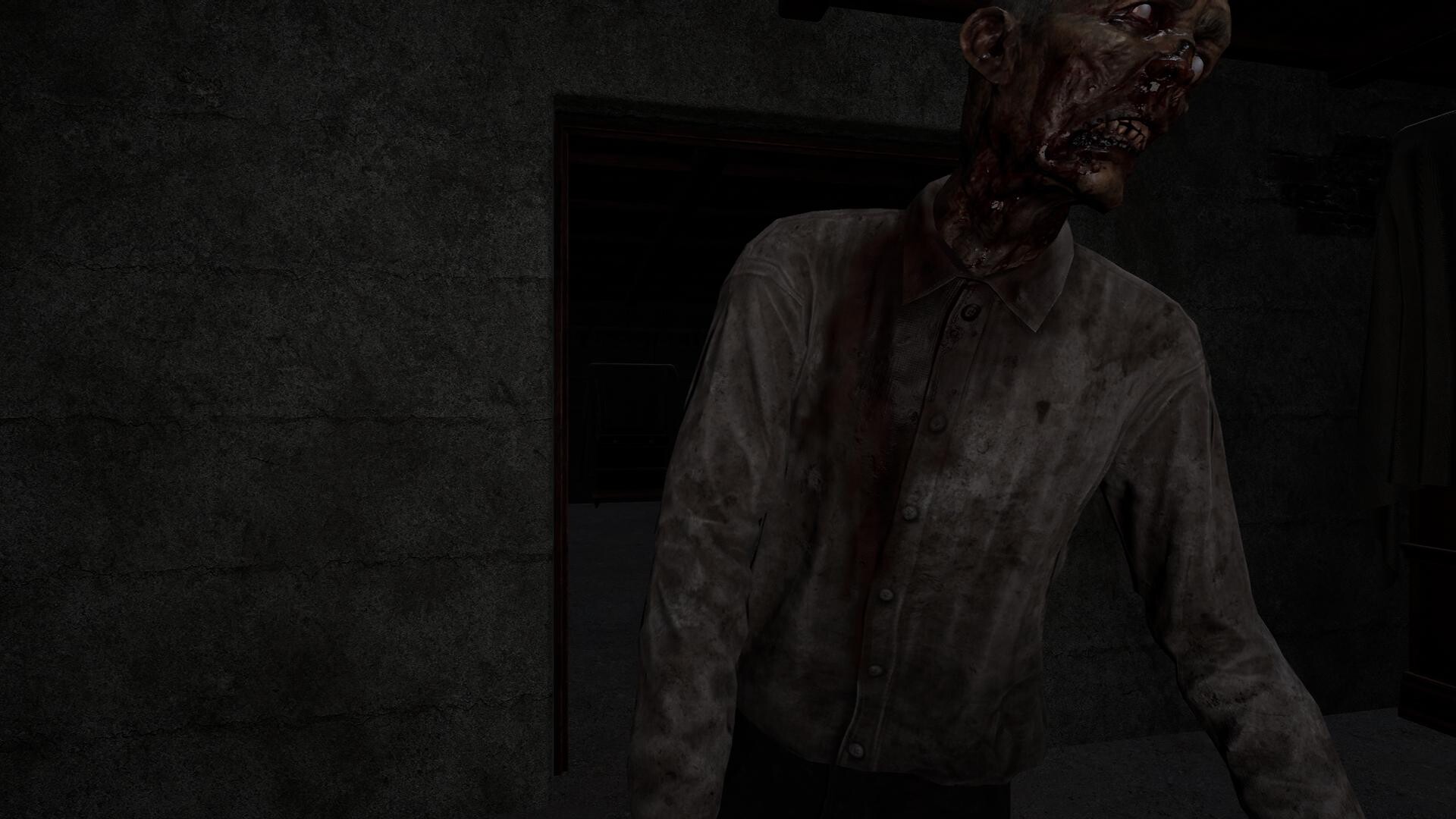
Visuals from the store
Player scenarios — who will get the most out of Trace of the Villa
- You like slow, cerebral mysteries: You prefer puzzles that reveal plot rather than action sequences. The mansion’s layered fragments and locked systems will reward careful note‑taking and recontextualization.
- You value atmosphere and environmental storytelling: If empty rooms, subtle cues and a sense of erasure unsettle you more than jump scares, this style of psychological investigation should resonate.
- You need accessible pacing: The Steam categories include Playable without Timed Input and Subtitle Options, which makes this a reasonable fit for players who prefer non‑twitched experiences or rely on text for comprehension.
- You want something more action‑forward: If you primarily chase kinetic horror or tense chases, the slow build and focus on documents and records may feel too deliberate.
How it compares to nearby mystery/puzzle games
Below is a focused editorial comparison on atmosphere, puzzle focus, exploration style, story tone and pacing — intended to help you decide whether Trace of the Villa fits your preferences.
| Game | Setting & Tone | Puzzle / Exploration Focus | Pacing / Player Fit |
|---|---|---|---|
| Trace of the Villa | Decaying, remote mansion; erased identities; investigative dread (official Steam premise). | Clue‑driven puzzles, reactivating systems, decrypting documents; environmental evidence builds the narrative. | Slow‑burn; suited to players who prefer methodical investigation and narrative puzzle design. |
| Amnesia: The Dark Descent | Claustrophobic, first‑person survival horror; heavy immersion and dread. |
Leave a Reply