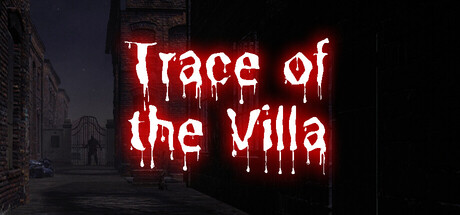
Trace of the Villa — why the quiet dread of a sealed house matters more than jump scares
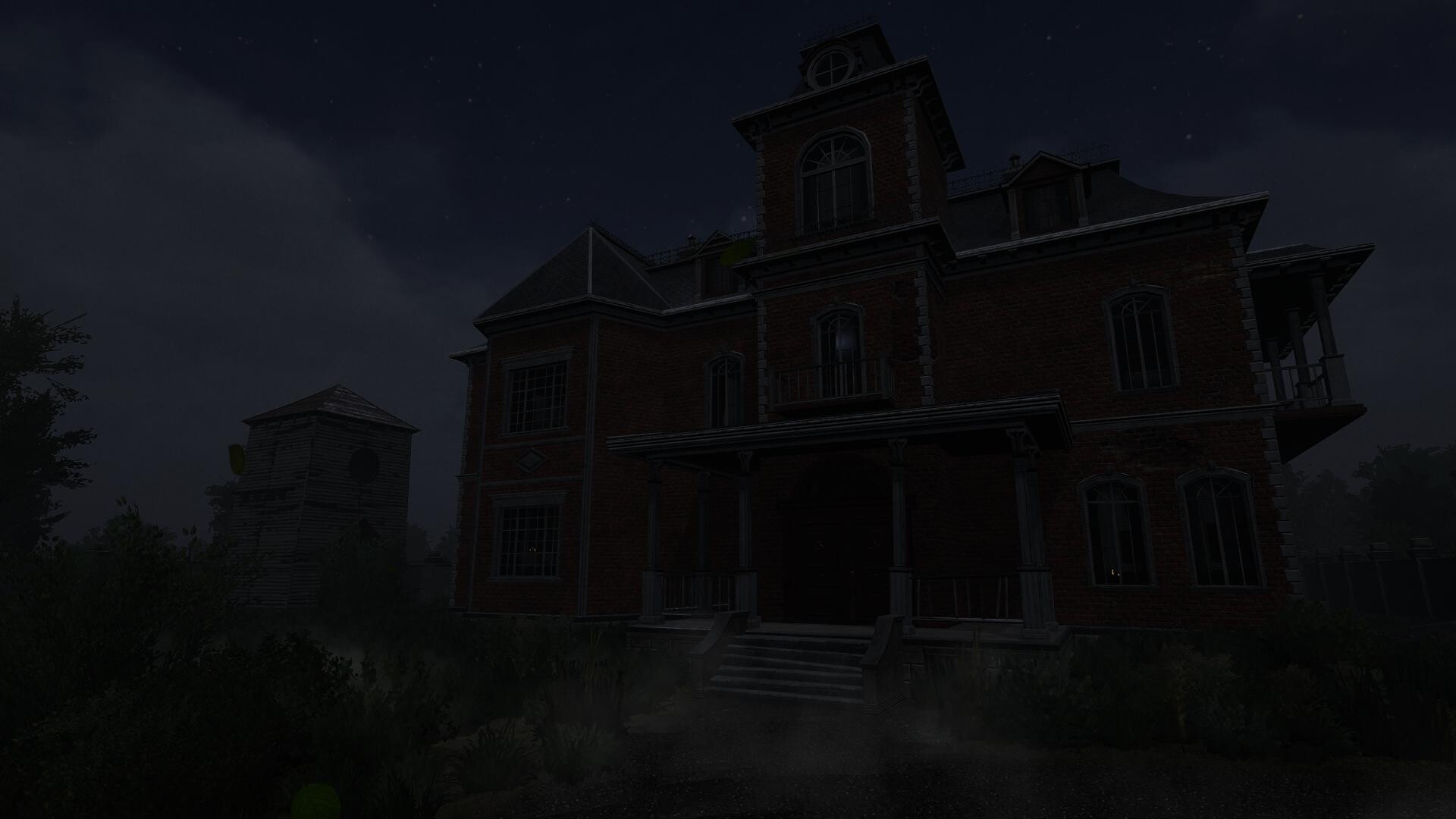
Trace of the Villa centers on Jin’s search for a missing sister inside a remote, decaying mansion where rooms feel less abandoned than erased. The game leans on environmental dread, withheld history, and slowly revealed clues rather than cheap shocks to unsettle the player.

Quick facts
| Title | Trace of the Villa |
|---|---|
| Release date | 28 May, 2026 |
| Developer | Steadyturtle Co., Ltd. |
| Publisher | Steadyturtle Co., Ltd. |
| Steam AppID | 3483660 |
| Genres | Action, Adventure, Indie |
| Categories | Single-player; Color Alternatives; Custom Volume Controls; Playable without Timed Input; Subtitle Options; Family Sharing |
What the game is
Trace of the Villa is a story-rich mystery adventure on Steam in which Jin follows a trail to a property “cut off from the grid and deliberately forgotten.” The mansion’s furniture, sealed doors, and missing personal markers set up an environment where the horror is mostly the absence of explanation: personal belongings remain but identities and photographs are gone. Mechanically it blends exploration, puzzle-solving, and narrative investigation — you restore power, bring systems back online, and uncover documents and secured compartments that progressively reveal a concealed operation.
Who this is for
If you prefer slow-burn suspense — environmental storytelling, puzzle-led progress, and tension that accumulates from silence and layout rather than repeated jump scares — Trace of the Villa is aimed at you. It fits players who enjoy atmospheric mystery adventure and clue-driven exploration, those who want to assemble a timeline from fragments, and players who respond to unsettling room design as a storytelling device.
When and where
Trace of the Villa released on Steam on 28 May, 2026. It’s presented as a PC Steam indie release by Steadyturtle Co., Ltd., with accessibility options like custom volume controls and subtitles listed in the Steam categories.
Why environmental dread, silence, and room design matter
The mansion’s design in Trace of the Villa exemplifies how atmosphere can carry narrative. When rooms appear “mid-routine” but lack identifiers, the architecture and object placement do storytelling work: a half-set table, locked drawers, safes, and encrypted fragments all suggest human activity siphoned away by a larger system. Silence becomes a character — suffocating, expectant — and the player’s slow discovery of restored systems is also a slow unpeeling of the house’s methodical concealment. That’s a different kind of fear than a scripted jump; it’s cognitive — the brain fills in missing context, and that creates lasting unease.
How you progress
Progress in Trace of the Villa is clue-driven. According to the Steam description, Jin restores power to the estate, which returns access to secured systems, hidden compartments, and safes containing fragments of encrypted documents and suspicious transfer records. Each solved puzzle yields new evidence — falsified identities, movement masked behind transfers — so the player pieces together motive and chronology from environmental cues and recovered artifacts rather than a constant stream of scripted frights.

Player scenarios — does this fit your taste?
- You like environmental mystery: You prize subtlety in level design and want to decode a place as if it were a character. Trace of the Villa’s furnished-but-erased rooms will be satisfying.
- You favor slow-burn narrative puzzles: If you enjoy restoring systems, unlocking safes, and following financial or identity clues to build a timeline, the game’s progression model matches that pace.
- You find sustained silence unsettling: Players who feel tension from omission — missing photographs, absent names — will find the mansion’s compositional choices unnerving in a way that outlasts momentary jump scares.
- You dislike timed-input or twitch horror: The Steam categories include “Playable without Timed Input,” which suggests a focus on thoughtful investigation over reflex-driven survival sequences.
- You prefer cinematic horror or action-heavy scares: This may not be the best fit if you’re after frequent scripted shocks or fast-paced combat; Trace of the Villa stresses atmosphere and deduction.
How it compares — short editorial table
| Title | Primary genre/feel | Atmosphere / story tone | Puzzle / exploration focus | Typical pacing | Good for players who… |
|---|---|---|---|---|---|
| Trace of the Villa | Action / Adventure / Indie | Environmental dread; erased identities in a secluded mansion | Clue-driven: restore power, unlock safes, decode documents | Slow-burn, investigative | Prefer atmospheric mystery and room-based storytelling |
| Amnesia: The Dark Descent | Action / Adventure / Indie | First-person immersion; survival horror nightmare | Exploration with sanity mechanics and environmental puzzles | Intense, immersive | Want immersion and survival-oriented tension |
| SOMA | Action / Adventure / Indie | Sci-fi horror that questions existence; submerged facility | Exploration and narrative puzzles with philosophical framing | Measured, narrative-driven | Prefer thought-provoking sci-fi atmosphere and story stakes |
| Layers of Fear (2016) | Adventure / Indie | First-person psychological horror in an ever-shifting mansion | Story and environment puzzles; changing architecture | Slow, psychological | Enjoy shifting house layouts and sanity-tinged storytelling |
| Poppy Playtime | Action / Adventure / Indie | Abandoned factory horror with tense set pieces | Puzzle-adventure using tools (e.g., GrabPack) to interact with environment | Snappier, encounter-focused | Like toy-factory aesthetics and more frequent set-piece scares |
Where to watch gameplay or trailers
Steam page
View Trace of the Villa on Steam
YouTube discovery
For trailer and gameplay discovery, use YouTube search rather than relying on unverified embeds: Find Trace of the Villa trailer and gameplay searches on YouTube.
Leave a Reply