
Trace of the Villa — where locked-room thinking meets power grids, safes, and hidden documents
Trace of the Villa is an atmospheric mystery adventure that stages its puzzles around restoring systems and reading a place as evidence. Released on 28 May, 2026 by Steadyturtle Co., Ltd., it positions Jin’s search for a missing sister inside a decaying, cut‑off mansion where power, safes, and encrypted documents form the core of progression.

Who this is for
Players who prefer slow‑burn suspense, clue‑driven exploration, and environmental storytelling over twitch reflexes. The Steam page lists Action, Adventure, and Indie as genres, and the game is presented as single‑player with accessibility options such as color alternatives, custom volume controls, subtitle options and “playable without timed input”—all useful signals for puzzle players who want a measured, investigative pace.
What the game is
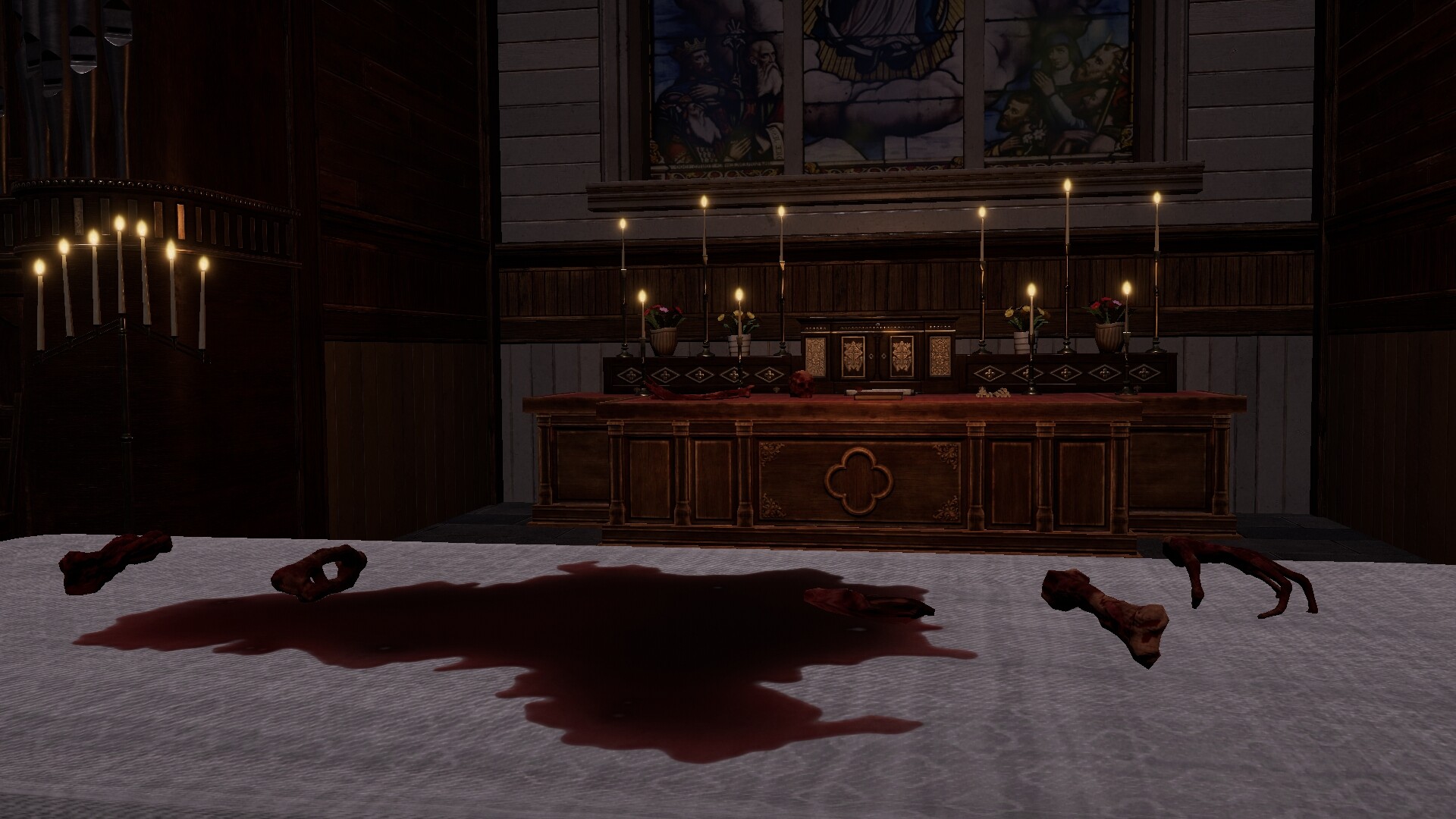
Officially, Trace of the Villa casts you as Jin, searching a remote mansion for leads on his missing sister. The estate has been “deliberately forgotten”: no recent records, no ownership, rooms set as if occupants vanished mid‑routine. When Jin restores power to the property, secured systems come back online, hidden compartments unlock, and safes yield fragments of encrypted documents and suspicious transfer records. Those discovery beats are the game’s mechanics and narrative engine: systems → safes → documents → new leads.
When and where
Trace of the Villa released on Steam on 28 May, 2026 and is published and developed by Steadyturtle Co., Ltd. It’s available on the Steam store for PC players—see the official Steam page linked below.
Why this theme matters
The premise leans on a specific investigative logic: a place that has been “erased” invites players to read absence as evidence. Mechanically, that’s delivered through restoring infrastructure (power and systems) to reanimate the environment, then decoding what those systems hide—documents, financial trails, falsified identities. For players who enjoy meaningfully layered clues and a narrative that rewards patient reconstruction of events, the theme provides a strong, coherent throughline.
How you progress: reading chains of clues
Progression is built around chained discoveries rather than trial‑and‑error setpieces. Official copy describes a workflow where restoring power brings secured systems online; those systems in turn expose hidden compartments and safes; safes produce fragments—encrypted documents and transfer records—that point to further locations or identities. That design favors locked‑room thinking: one solved lock or system reveals context for the next, and environmental details (missing photos, arranged rooms, altered ledgers) are intended to be read as evidence that advances both puzzle and story.

Facts at a glance
| Title | Trace of the Villa |
|---|---|
| Steam App ID | 3483660 |
| Developer / Publisher | Steadyturtle Co., Ltd. |
| Release date | 28 May, 2026 |
| Genres | Action, Adventure, Indie |
| Player modes / features | Single‑player; Color Alternatives; Custom Volume Controls; Playable without Timed Input; Subtitle Options; Family Sharing |
| Official short premise | “Jin has spent years searching for his missing sister… recovered manifests and hints that indicate his sister may still be alive.” |
How it compares to nearby puzzle and mystery titles
Below is a compact editorial comparison focused on genre, pacing, puzzle focus and player fit—useful if you’re deciding between similar experiences on Steam.
| Title | Genre / release | Primary focus | Pacing | Player fit |
|---|---|---|---|---|
| Trace of the Villa | Action / Adventure / Indie — 28 May, 2026 | Environmental mystery driven by restoring systems, safes and documents | Slow, investigative, chained discoveries | Players who want narrative puzzle design tied to a mansion mystery |
| The Room | Adventure / Indie — 28 Jul, 2014 | Tactile safe/box puzzles with tight mechanical puzzles | Focused, puzzle‑by‑puzzle progression | Fans of mechanical, object‑centric puzzle boxes and tactile problem solving |
| Escape Simulator | Adventure / Casual / Indie — 19 Oct, 2021 | Highly interactive escape rooms, physics and object manipulation | Varied; often faster with sandboxed room puzzles | Players who enjoy interacting with everything and (optionally) cooperative solves |
Editorial note: Trace of the Villa leans more on environmental reading and narrative chains than on isolated mechanical lockboxes or physics sandboxing—if you prefer the latter, The Room or Escape Simulator show different puzzle priorities.
Player scenarios — who should wishlist this
- You’re drawn to mansion mysteries where the setting functions as an evidence board and each discovery reframes what came before.
- You enjoy detective work that uses documents, transfer records, and falsified identities as puzzle beats rather than purely atmospheric scares.
- You prefer accessible pacing: the Steam page lists “playable without timed input” and subtitle options, which suit players who like to read and think without pressure.
- You want a single‑player, story‑rich adventure with systemic interactions (power restoration, secured systems, safes) rather than arcade action.
YouTube discovery
If you want to see trailers or gameplay footage, search YouTube for Trace of the Villa — here’s a discovery URL (useful for trailers or community videos; this link is a search path, not a verified single official trailer): View Trace of the Villa on Steam
Leave a Reply