
Trace of the Villa: where locked-room logic meets slow-burn clue chains
Trace of the Villa is an atmospheric mystery adventure about Jin, a man following fragmented manifests and security traces through a remote, decaying mansion to learn whether his missing sister might still be alive. The Steam release arrived on 28 May, 2026 from Steadyturtle Co., Ltd., and frames its investigation as environmental storytelling built around secured systems, hidden compartments and puzzle-driven revelations.

Quick facts
| Title | Trace of the Villa |
|---|---|
| Steam AppID | 3483660 |
| Release date | 28 May, 2026 |
| Developer / Publisher | Steadyturtle Co., Ltd. |
| Genres | Action, Adventure, Indie |
| Notable categories | Single-player; Color Alternatives; Custom Volume Controls; Playable without Timed Input; Subtitle Options; Family Sharing |
| Official premise | Jin investigates a decaying mansion and recovers manifests and hints that suggest his missing sister may still be alive somewhere at the end of the trail. |
Who should wishlist Trace of the Villa?
- Players who prefer puzzle-chains and discovery over twitch reflexes—the game lists “Playable without Timed Input” and leans into methodical examination.
- Atmosphere-first mystery fans who enjoy environmental storytelling and a slow-burn investigative pace—rooms that look lived-in but erased, and secured systems that only reveal secrets once power and access are restored.
- Story-focused solo players: this is a single-player experience framed around a personal investigation (Jin searching for his sister), with narrative beats revealed through decrypted documents, safes and hidden compartments.
What the game is — structure and tone
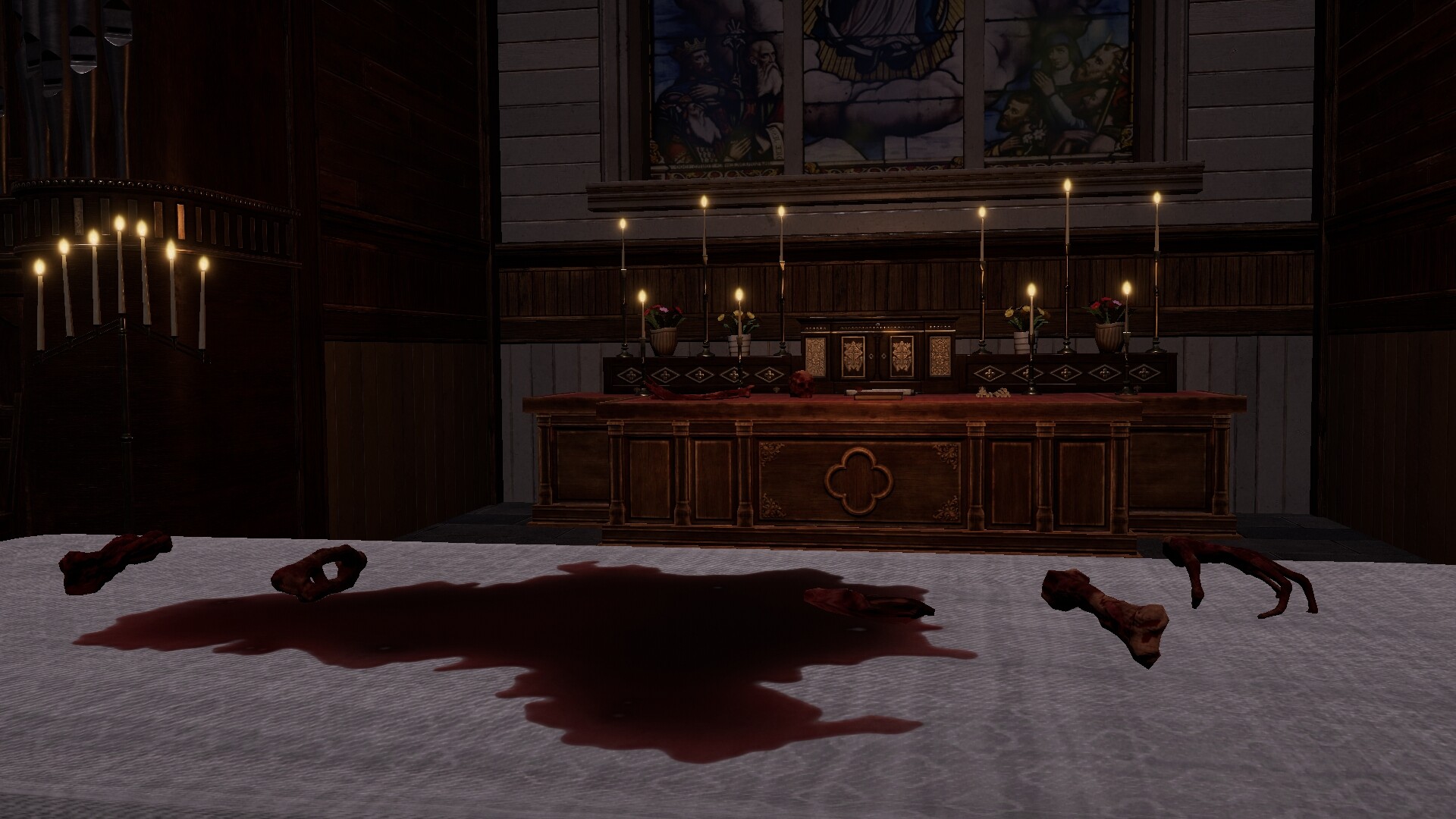
Trace of the Villa is presented as an atmospheric, story-rich adventure where exploration and puzzle solving unlock narrative fragments. The Steam materials describe a mansion “cut off from the grid” whose evidence of occupancy has been deliberately effaced. Gameplay emphasis—according to the official description—centers on restoring systems, uncovering encrypted documents and following financial trails that point to a larger, concealed operation. That setup signals an escape-room style rhythm: examine, unlock, read an implication, then follow the new clue to the next locked space.

When and where: Steam context
Trace of the Villa launched on Steam on 28 May, 2026. It appears on Steam as a PC title with the usual store assets and a Steam AppID of 3483660. The Steam store entry highlights accessibility features such as subtitle options, color alternatives and custom volume controls, and it’s listed as single-player.
Why this theme matters — locked-room thinking and narrative friction
Locked-room thinking in games isn’t just a setting trick; it creates a puzzle ecology. A closed mansion forces the designer to build interlocking systems—mechanical locks, power grids, safes, documents—that feed each other. Trace of the Villa’s premise of erased identities and falsified records raises stakes without needing constant action beats: each unlocked file or restored terminal reframes the mystery and pulls the player along a chain of inference. For players who enjoy constructing timelines and reading forensic details from an environment, that interplay is the point.
How you progress: clue chains and environmental reading
Based on the official description, progression relies on a few consistent motions: restore power or access, open secured storage, decrypt fragments, and follow the paper trail to new locations or systems. That creates a momentum often called “puzzle-chain momentum”: one solved node supplies the seed for the next. Success depends on careful observation—items present and items deliberately removed are both clues—and on assembling partial records into a coherent narrative direction.
Player scenarios — who will get the most out of the game
Scenario A: The slow-burn detective
You like to sit with a room for a long time, cross-referencing dates, receipts and terminal logs. You’re drawn by atmosphere and piecing together motives more than chase sequences. Trace of the Villa’s erased identities, safes and encrypted fragments are likely to appeal.
Scenario B: The escape-room puzzle fan
You enjoy object-focused puzzles that cascade into the next locked area. If you respond well to “one thing opens another” progression and value mechanical rigor (and the game’s “playable without timed input” flag), this is targeted at that playstyle.
Scenario C: The narrative exploration player
You want a tidy blend of a thriller premise and environmental storytelling. The personal stake—Jin searching for his sister—gives the investigation emotional weight without relying on combat to carry pacing.
How it compares — short editorial table
| Title | Primary feel | Puzzle focus | Exploration style | Pacing / player fit |
|---|---|---|---|---|
| Trace of the Villa | Mansion mystery; environmental, investigative | Clue chains, encrypted documents, secured systems | Single-location estate with layered access | Slow-burn; methodical players who like narrative payoff |
| The Room | Locked-box/room puzzle; tactile mechanical puzzles | Single-object, multi-stage lock puzzles | Focused, intimate puzzle spaces | Player-driven puzzle solving; ideal for fans of mechanical curiosity |
| The Room Two | Similar to The Room with expanded locales and mood | Sequential mechanical puzzles | Series of discrete, atmospheric puzzle rooms | Designed for players who enjoy handcrafted puzzle sequences |
| Escape Simulator | Highly interactive escape-room toolkit | Physics, object interaction; community rooms | Modular rooms with sandbox interaction | Great for creative players or cooperative sessions |
| Hi‑Fi RUSH | Action / rhythm; high-energy | Pacing and combat tied to music (not puzzle-led) | Linear action stages | For players seeking kinetic, music-driven gameplay rather than mystery |
Decision guide — should you wishlist it?
Wishlist Trace of the Villa if you value environmental storytelling, methodical puzzle chains and a single-player mystery that rewards forensic reading of rooms and documents. If you prefer physics-heavy interaction, multiplayer puzzle rooms or rhythm-driven action, other titles in the comparison above will better match those tastes.
YouTube discovery
For trailers and gameplay clips, search YouTube: Trace of the Villa trailer & gameplay (YouTube search). This link is a search path and may surface official or community videos.
Leave a Reply