
Trace of the Villa — an escape-room style mystery built around power, systems, safes and documents
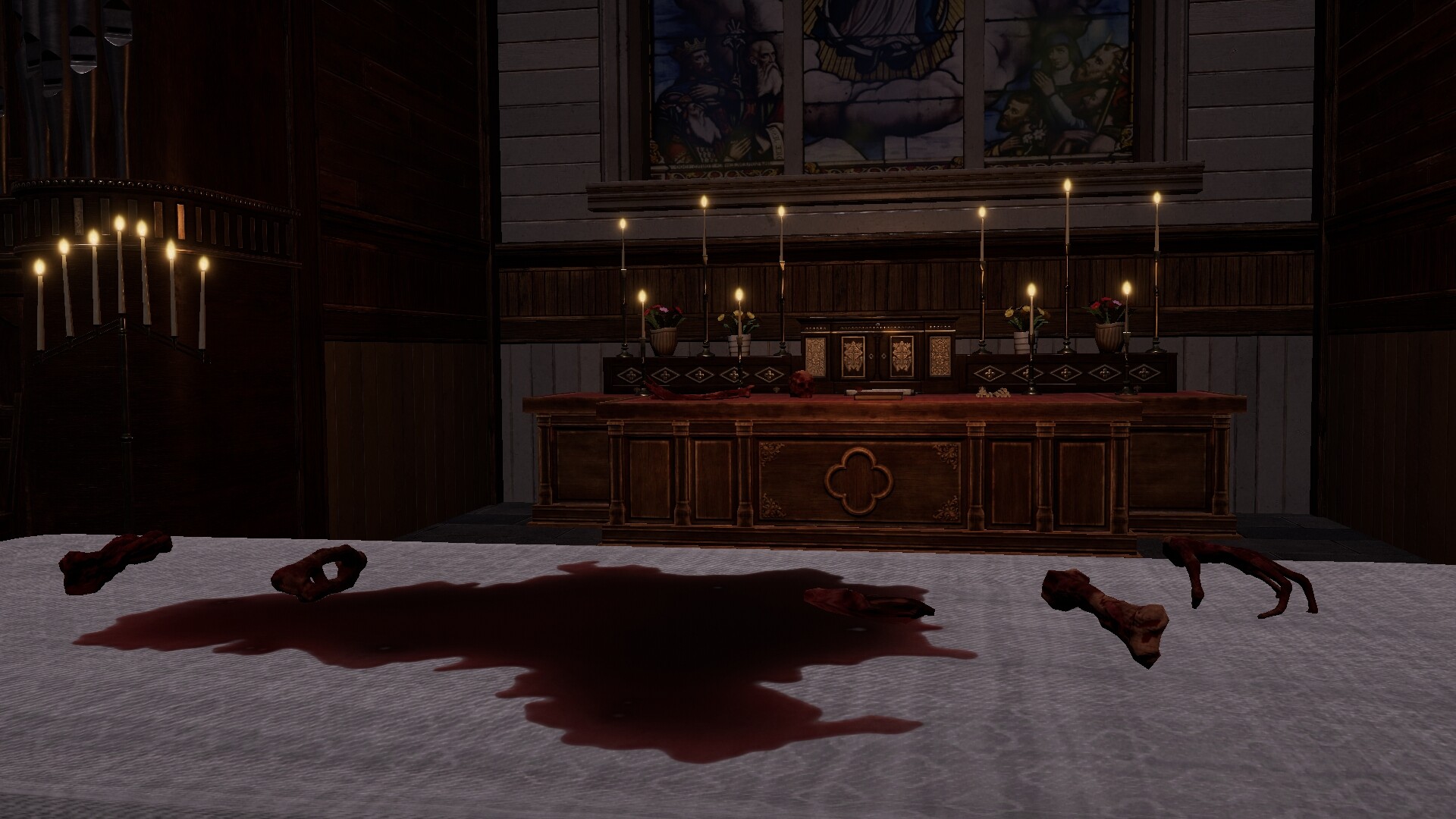
Steadyturtle’s Trace of the Villa drops you into a decaying mansion where Jin, a man searching for his missing sister, must restore power and coax secrets back into the light. Gameplay centers on bringing systems online, opening secured compartments and piecing together encrypted documents and transfer records to follow a trail of falsified identities and controlled movements.

Quick facts
| Title | Trace of the Villa |
|---|---|
| Steam appid | 3483660 |
| Release date | 28 May, 2026 |
| Developer / Publisher | Steadyturtle Co., Ltd. |
| Genres | Action, Adventure, Indie |
| Categories | Single-player; Color Alternatives; Custom Volume Controls; Playable without Timed Input; Subtitle Options; Family Sharing |
| Steam page | Trace of the Villa on Steam |
Who this is for
If you enjoy slow-burn, atmosphere-first mystery adventures that behave like a digital escape room — where environmental reading and chained clues reward patience and close observation — Trace of the Villa is aimed at you. Players who prefer solitary, narrative puzzle work (single-player, no timed inputs required) and those who like investigative pacing over action setpieces will find the mansion’s systems and locked storage the primary draw.
What the game actually is
According to the official Steam listing, Jin arrives at a remote, deliberately forgotten mansion and recovers manifests and hints suggesting his sister may still be alive. When Jin restores power to the estate, secured systems come back online, hidden compartments unlock, and safes yield fragments of encrypted documents and suspicious transfer records. The tone is investigative and procedural: unlock one layer, read the clues, follow the chain to the next sealed door.

When and where — Steam context
Trace of the Villa released on Steam on 28 May, 2026. It’s listed as an Action / Adventure / Indie title on the Steam store and includes single-player and accessibility-friendly categories such as color alternatives, subtitle options, and custom volume controls. The Steam page is the primary storefront for the title.
Why the power-and-systems premise matters
The game’s central mechanic — restoring power to reveal locked systems — scaffolds a style of puzzle design that rewards systemic thinking. Instead of isolated riddles, Trace of the Villa uses interlocking mechanisms: a restored circuit enables a security panel, which in turn opens a safe that provides a document you’ll need to decode elsewhere. That chain-of-evidence approach turns the mansion itself into a logic engine where environmental details become forensic clues.
How you read clues and progress
Progress in Trace of the Villa is deliberate. You rely on environmental storytelling, reclaimed systems and physical containers (safes, hidden compartments) to surface fragments of a larger operation — encrypted documents, suspicious transfer records, and falsified identities. Each recovered artifact typically points to another location or subsystem in the estate; your job is to follow those logical links, restore the necessary power or mechanism, and use the new data to unlock the next layer.
Concrete puzzle patterns to expect
- Power-restoration puzzles that reactivate panels or lights and change interactable states in connected rooms.
- Security panels and safes that require code recovery from documents or environmental sequences.
- Document fragments and transfer records that must be collated to reveal timelines and false identities.
- Chained, clue-driven progression where solving one device exposes new targets rather than a flat puzzle list.
Player scenarios — who should wishlist it
- Investigative narrativists: You like collecting fragments of a story and assembling a forensic timeline. The game’s encrypted documents and transfer records will be your bread and butter.
- Locked-room thinkers: If you enjoy systemic puzzles where one solved mechanism unlocks a web of new interactions, this is targeted design work.
- Atmosphere-first explorers: Players who prefer slow-burn suspense and environmental detail over rapid combat or reflex testing will appreciate the mansion’s staged abandonment and the sense identities have been erased.
- Accessibility-minded players: Steam store categories include subtitle options, color alternatives, custom volume controls, and “playable without timed input,” so it accommodates thoughtful, unrushed play.
How it compares — nearby puzzle/mystery experiences
Below is a concise editorial comparison on lawful criteria: genre, atmosphere, puzzle focus, exploration style, story tone and pacing. This is to help readers match Trace of the Villa to their existing preferences, not to declare superiority.
| Title | Year | Genre / Atmosphere | Puzzle focus | Pacing / Player fit |
|---|---|---|---|---|
| Trace of the Villa | 2026 | Action / Adventure / Indie — decaying mansion, erased identities | Power/systems restoration, safes, encrypted documents, chained clues | Slow-burn investigative; suited to methodical, single-player exploration |
| The Room | 2014 | Adventure / Indie — intimate, mysterious attic rooms | Mechanical safes and tactile puzzle boxes | Focused, tactile single-room puzzles; tight, self-contained sessions |
| The Room Two | 2016 | Adventure / Indie — expanding cryptic locales | Layered mechanical puzzles across connected areas | Structured progression through distinct puzzle spaces |
| Escape Simulator | 2021 | Adventure / Casual / Indie — interactive, physics-forward rooms | Highly interactive escapeYouTube discoveryFor trailer and gameplay discovery, use YouTube search rather than relying on unverified embeds: Find Trace of the Villa trailer and gameplay searches on YouTube. CommentsMore posts |
Leave a Reply