
Trace of the Villa — Puzzle Design as Evidence and Narrative Logic
Trace of the Villa casts you as Jin, a man following fragments of a vanished life through a deliberately erased mansion; every safe opened, system restored and document read functions as evidence that pushes the story forward. Released on 28 May, 2026 by Steadyturtle Co., Ltd., the game ties clue-reading, object logic and “story puzzles” into a slow-burn investigation where the player’s attention to detail is the primary engine of plot discovery.

Who this is for
If you lean toward atmospheric mystery adventure and story-rich exploration on PC, Trace of the Villa is aimed at players who prefer puzzles that act like forensic work: reading manifests, tracing financial and identity clues, and reconstructing fragmented timelines. It’s a fit for people who favor environmental storytelling and psychological investigation over fast action—although the game is listed under Action, Adventure, Indie on Steam.
What the game is
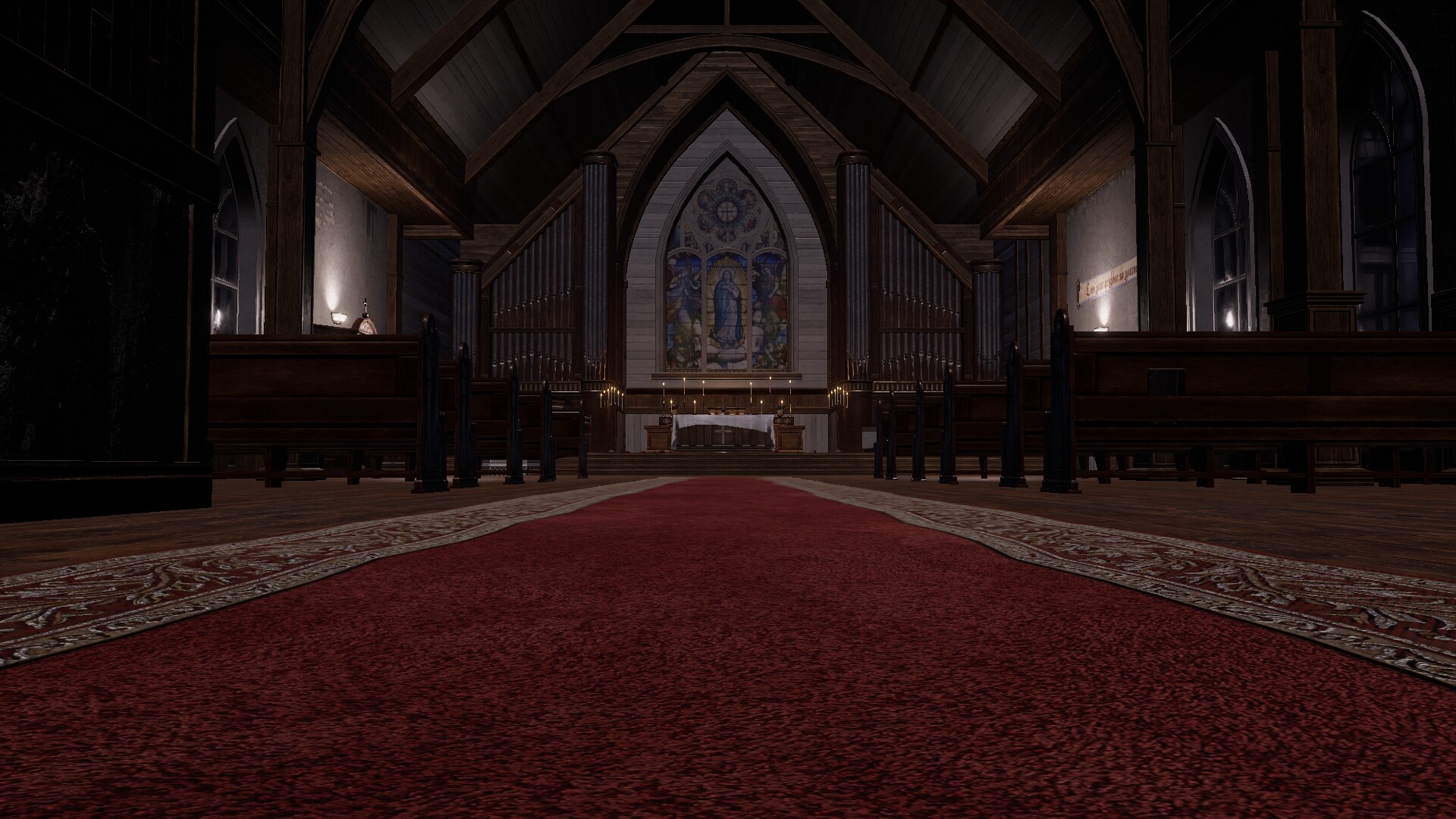
Trace of the Villa centers on Jin’s search for his missing sister. The Steam listing describes a decaying mansion, erased identities, and secured systems that, when restored, reveal encrypted documents, suspicious transfer records, and other fragments suggesting a larger operation. Puzzles are embedded in that forensic trail: locked doors, safes, restored power and hidden compartments that yield the next piece of evidence.
When and where
The game launched on Steam on 28 May, 2026. It’s developed and published by Steadyturtle Co., Ltd. and appears on PC via its Steam store page (see the Steam CTA below for the official store link).
Why the theme matters
Trace of the Villa frames puzzles as evidence rather than abstract challenges. That shift makes player decisions feel investigative: solving a mechanical cipher or restoring a security system isn’t just a gate, it’s proof that a particular hypothesis about the house’s past is correct. Thematically this supports a psychological investigation tone—rooms that feel “erased,” arrivals without records, and falsified identities make every unlocked item an evidentiary clue to interpret, not merely a collectible.
How you progress: clue reading, object logic, and story puzzles
The Steam description outlines specific mechanics that inform player progression: restoring power to systems, unlocking hidden compartments, and opening safes to reveal fragments of encrypted documents and manifests. Those revealed artifacts provide leads—financial trails, transfer records and falsified identities—that form a puzzle chain. Players advance by treating the environment like casework: cross-referencing documents, following administrative traces, and using object logic to combine physical evidence with narrative inference.

Player scenarios — who should wishlist this
- The methodical detective: You enjoy cross-referencing documents, mapping timelines and letting the environment provide the narrative breadcrumbs. If you treat puzzles as evidence, this game will reward patient, analytical play.
- The atmospheric explorer: You prefer slow-burn suspense and environmental storytelling over action set pieces. The mansion’s “erased” identities and furnished-but-abandoned rooms are designed for players who read setting as plot.
- The story-first puzzler: You want puzzles tightly bound to story beats—safes and systems that open not just because you solved a mechanic but because the solution confirms a theory about what happened.
Compact facts — Trace of the Villa
| Title | Trace of the Villa |
|---|---|
| Steam AppID | 3483660 |
| Release date | 28 May, 2026 |
| Developer | Steadyturtle Co., Ltd. |
| Publisher | Steadyturtle Co., Ltd. |
| Genres | Action, Adventure, Indie |
| Steam categories | Single-player; Color Alternatives; Custom Volume Controls; Playable without Timed Input; Subtitle Options; Family Sharing |
How it compares — short editorial table
Below are lawful editorial comparisons focused on puzzle style, atmosphere and player fit—useful for deciding if Trace of the Villa aligns with tastes shaped by nearby puzzle-adventure titles.
| Title | Genre / Tone | Puzzle focus | Exploration style | Pacing |
|---|---|---|---|---|
| Trace of the Villa | Action / Adventure / Indie — mansion mystery, psychological investigation | Clue-driven: manifests, encrypted documents, safes, restored systems (evidence-oriented) | Environmental, forensic—rooms as erased records | Slow-burn, investigative progression |
| The Room | Adventure / Indie — tactile mechanical puzzles | Mechanical, object-based puzzle boxes and safes | Contained, single-room to room-to-room puzzle spaces | Focused, puzzle-centric sessions |
| Escape Simulator | Adventure / Casual / Indie — interactive escape rooms | Highly interactive object puzzles; physics and manipulation | Room-by-room, cooperative-compatible environments | Variable: short sessions per room; replayable |
| Unpacking | Casual / Indie — zen, domestic puzzle | Object placement and contextual storytelling | Domestic scenes that reveal life through items | Gentle, contemplative pacing |
YouTube discovery
For trailers or gameplay search results, try the official YouTube discovery path (search results may include official and fan videos): Search Trace of the Villa trailers and gameplay on YouTube.
Ready to decide?
If you prefer mystery where puzzles function as evidence and narrative logic, Trace of the Villa is worth putting on your Steam wishlist. Visit the store page to wishlist or purchase:
Disclaimer
Referenced titles and trademarks belong to their respective owners. Comparisons above are editorial discovery only, based on genre, atmosphere, puzzle focus, exploration style and pacing; they do not imply official connection or endorsement.
Leave a Reply