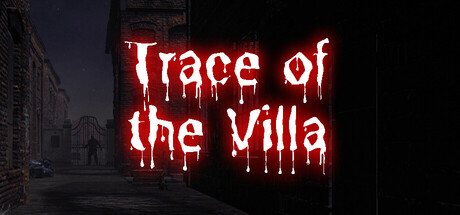
Trace of the Villa — a premise-first guide for players who want story context without spoilers
Trace of the Villa puts you in Jin’s shoes: a relentless searcher following cold leads into a decaying, off-the-grid mansion where recovered manifests and hints suggest his missing sister may still be alive. The game leans on environmental storytelling, slow-burn suspense, and clue-driven exploration rather than loud spectacle.

Who this is for
If you want an atmospheric mystery adventure that privileges environmental storytelling and investigative momentum, Trace of the Villa is aimed at you. It’s a fit for players who enjoy piecing together a hidden backstory from fragmented documents, restored systems, and sealed rooms rather than being spoon-fed exposition. Steam lists the game under Action, Adventure, Indie and tags it with single-player and accessibility options like Color Alternatives and Subtitle Options, so it’s clearly positioned as a solo narrative experience on PC.
What the game is — premise, tone, and stakes
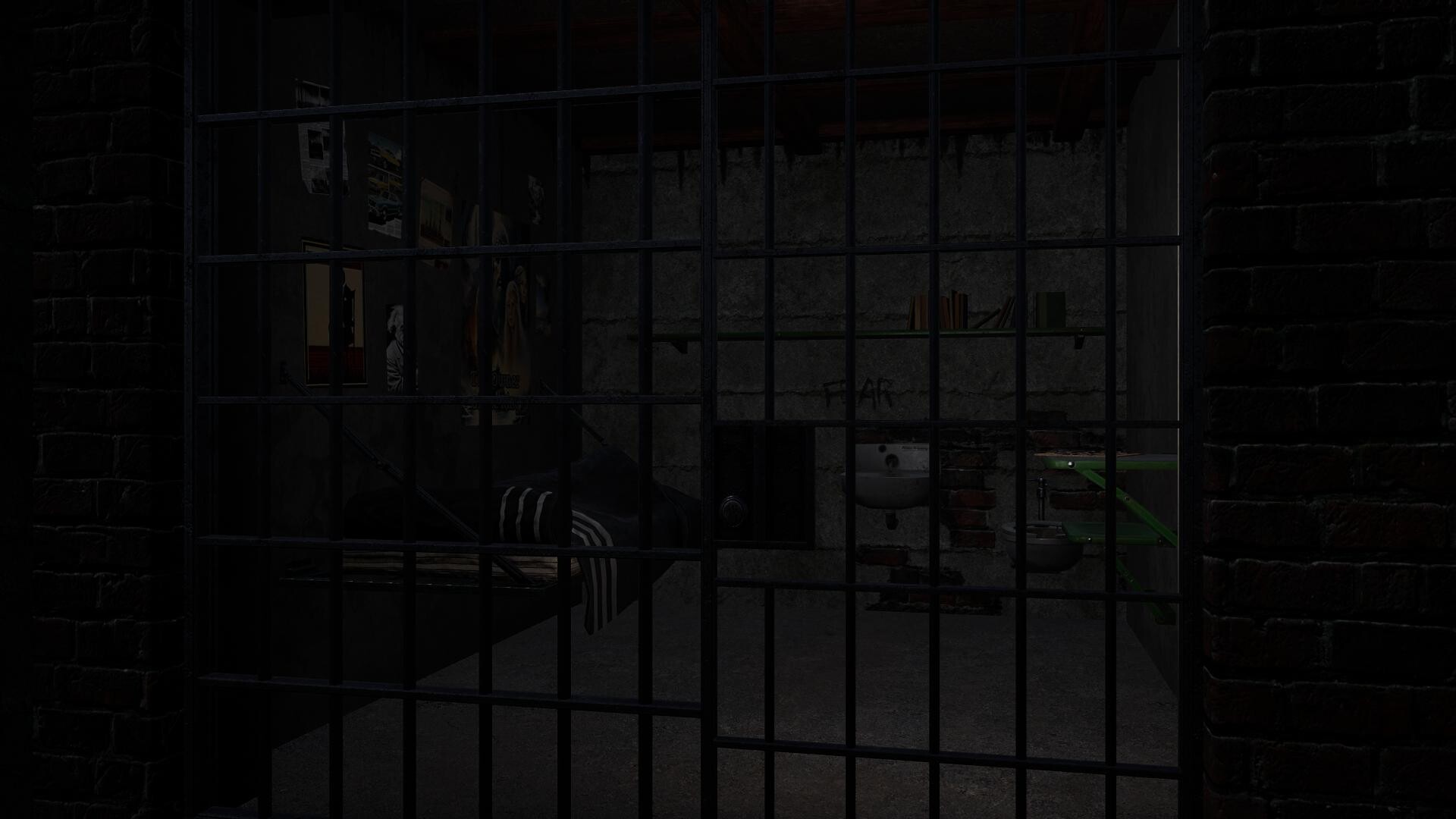
Officially: “Jin has spent years searching for his missing sister, pursuing leads that took him to a remote, decaying mansion where he recovered manifests and hints that indicate his sister may still be alive, somewhere at the end of the trail he is about to follow.” The mansion reads as “less abandoned than erased”: furnished rooms frozen mid‑routine, locked doors hiding hastily secured secrets, and personal effects stripped of names and photographs. Restoring power to the estate triggers secured systems and hidden compartments, and safes yield fragments of encrypted documents and suspicious transfer records.
The tone is investigative and quietly unsettling — think slow-burn suspense where each discovered manifest or falsified identity rewrites what you think you know about who passed through this place and why.
When and where (Steam facts)
Trace of the Villa released on 28 May, 2026 and is available on Steam for PC. Developer and publisher: Steadyturtle Co., Ltd.
Why the theme matters
The core theme — a search for a missing person inside a deliberately anonymized estate — turns ordinary exploration into a psychological investigation. The absence of photographs and names, the falsified identities, and financial trails that lead nowhere are narrative devices that make ordinary inventory and log-reading feel like detective work. If you care more about reconstructing motive and method from fragments than about overt horror set-pieces, the premise promises emotional weight and moral ambiguity to uncover.
How you read clues and progress (no spoilers)
The official description outlines a clear loop for progression: restore power and systems, open secured compartments, decrypt fragments, and follow financial or manifest traces to the next clue. Puzzles and locked containers act as narrative gates — solving one reveals encrypted documents, transfer records, and falsified paperwork that push the timeline forward and change the shape of the investigation. Expect exploration to be the vehicle for story beats: the mansion’s environment stores the clues, and systems returning online are a deliberate mechanic for pacing revelations.

Compact facts: Trace of the Villa
| Title | Trace of the Villa |
|---|---|
| Release date | 28 May, 2026 |
| Developer / Publisher | Steadyturtle Co., Ltd. |
| Genres | Action · Adventure · Indie |
| Key Steam categories | Single-player, Color Alternatives, Custom Volume Controls, Playable without Timed Input, Subtitle Options, Family Sharing |
| Store page | Trace of the Villa on Steam |
How it compares — short editorial table
Below are lawful editorial comparisons on tone, puzzle/exploration focus, and pacing to help you decide if this fits your tastes.
| Title | Key tone / atmosphere | Puzzle vs exploration focus | Pacing & player fit |
|---|---|---|---|
| Trace of the Villa | Investigative, slow-burn mansion mystery | Clue-driven puzzles and secured systems that unlock narrative fragments | Measured pacing for players who prefer piecing a backstory from environment |
| Inscryption | Inky, psychological horror with meta layers | Card-based, deckbuilding plus escape-room style puzzles | Dense, surprising; suited for players who like mechanical twists |
| Outer Wilds | Open-world, wonder-tinged mystery | Exploration-first; astronomy and systemic puzzles | Unhurried discovery and physics-driven revelations |
| The Forgotten City | Narrative-driven moral mystery in ancient setting | Puzzle and choice mechanics structured around time-loop investigation | Story-heavy; ideal for players who enjoy unraveling a single central mystery |
| The Medium | Psychological horror with dual-reality exploration | Environmental puzzles across two planes | Atmospheric and tense; fits players who want eerie, story-led progression |
| Journey | Quiet, meditative exploration | Minimal puzzles; exploration and atmosphere | Poor fit if you want document-driven mystery; excellent for contemplative play |
Player scenarios — should you wishlist it?
Concrete situations to help you decide:
- If you like reading fragmented documents, decrypting clues, and letting environment reveal motives, wishlist it.
- If you prefer high-octane combat or action set-pieces as the primary driver of pacing, this may not match your expectations despite the Action tag.
- If you appreciate accessibility options (color alternatives, subtitles, custom volume) and a single-player, narrative-focused experience, Trace of the Villa fits well.
- If you enjoy games where restoring systems and unlocking sealed rooms acts as the mechanic for narrative revelation, this is a strong match.
YouTube discovery
If you want a visual primer, search YouTube for trailers and gameplay footage: Trace of the Villa trailer / gameplay (YouTube search). This is
Leave a Reply