
Trace of the Villa — how rooms shape a clue-driven mansion mystery
Trace of the Villa (Steadyturtle Co., Ltd.) places you inside a decaying, off-the-grid mansion where each room acts as a puzzle box and a fragment of story. Through recovered manifests, encrypted documents and restored systems, the house reveals a layered investigation that asks you to read objects, connect clues, and follow a fragile trail toward a missing sister.

Who, what, when, and where — the essentials
Who: You play as Jin, a protagonist searching for his missing sister, following leads that lead him to a remote, deliberately forgotten mansion.
What: Trace of the Villa is listed on Steam as an Action / Adventure / Indie title that blends environmental storytelling, inventory and object logic, and clue-driven puzzles tied to a personal investigation.
When / Where: The game released on 28 May, 2026 and is available on Steam for PC. Developer and publisher are both Steadyturtle Co., Ltd.
Context on Steam: The Steam page lists categories such as Single-player, Color Alternatives, Custom Volume Controls, Playable without Timed Input, Subtitle Options, and Family Sharing — small but relevant accessibility and configuration notes for PC players.
Why the mansion matters: rooms as story containers
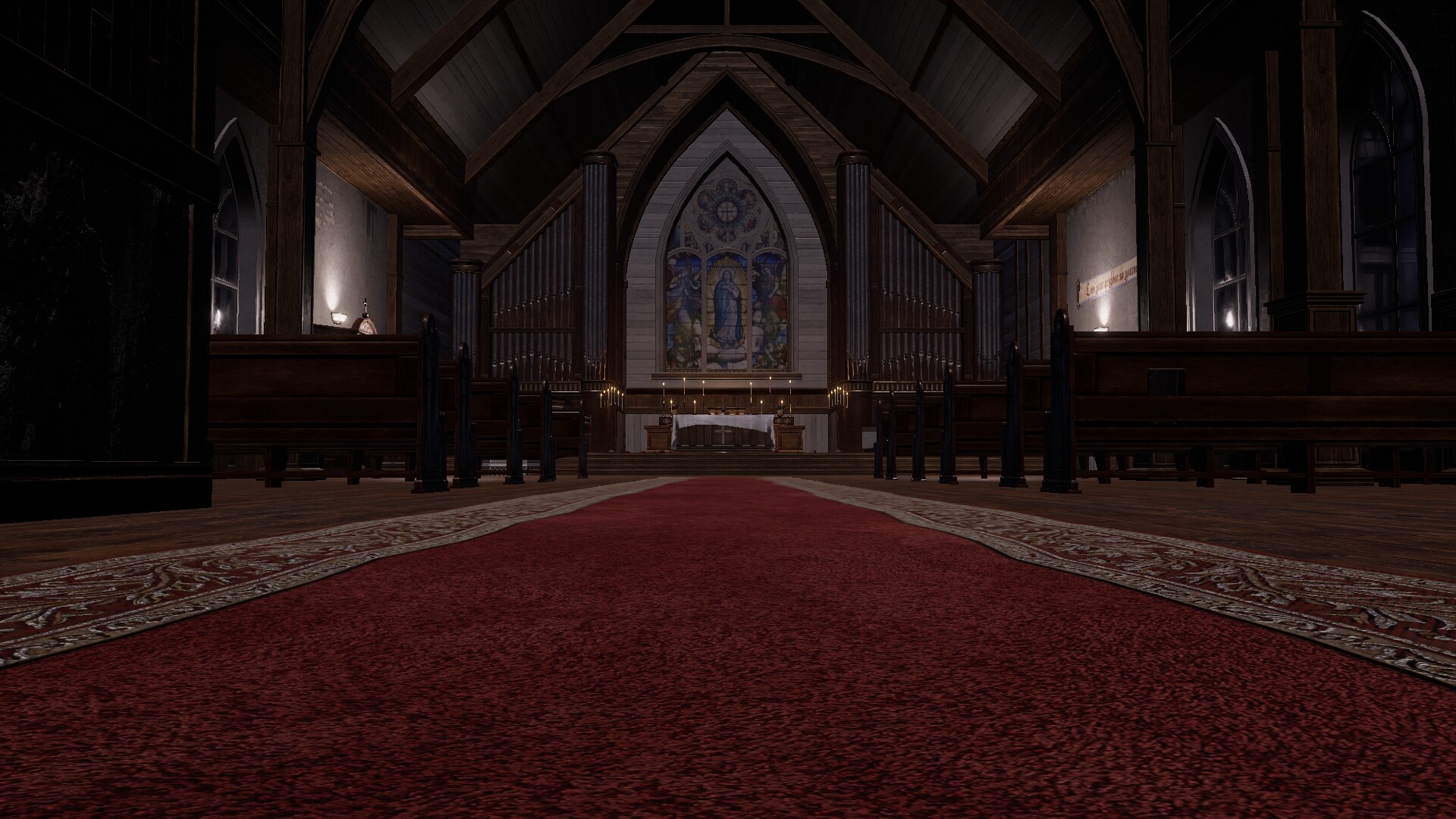
The official description emphasizes that rooms feel “less abandoned than erased”: furnished and frozen mid-routine, with locked doors, secured systems, and personal belongings that lack names or history. That phrasing makes the house itself a primary storyteller. Rooms are not just places to find keys; they are curated collections of clues, props and false leads that suggest a larger, clandestine operation.
As an editorial point: when a game commits to rooms-as-containers, each chamber becomes both a mechanical challenge and a narrative beat. In Trace of the Villa, restoring power and watching safes and systems react ties puzzle resolution directly to story revelation — a design choice that amplifies investigative momentum without relying on cinematic cutscenes.
How you progress: clue reading, object logic, and story puzzles
Official material says Jin “recovered manifests and hints” and that when power is restored, “secured systems come back online” and “safes yield fragments of encrypted documents and suspicious transfer records.” Those are the functional beats: read a document or manifest, interpret what objects imply, use restored systems to access new compartments, and assemble a timeline from discrete artifacts.
Expect three interlocking puzzle threads:
- Clue reading: textual fragments (manifests, transfer records) that point to next steps.
- Object logic: physical items and locked devices that obey consistent rules — find the right tool or code, and a new area opens.
- Story puzzles: layered revelations where solving a mechanical or inventory puzzle unlocks context about arrivals, departures, and falsified identities.
That combination favors players who enjoy methodical deduction and environmental interpretation over reflex-driven action.

Who should wishlist this on Steam?
Trace of the Villa fits players who prefer atmospheric mystery adventure and slow-burn suspense rather than twitch reflexes. If you enjoy methodical clue-work, piecing together timelines from documents and receipts, and viewing rooms as narrative puzzles, it should be on your radar. The presence of subtitle options, the ability to play without timed input, and color alternatives also suggest accessibility to players who value readable, deliberate investigation.
It’s less aimed at players looking for fast-paced action or competitive multiplayer — Steam categories list it as Single-player and emphasize a solitary, story-driven experience.
Player scenarios — how the game will likely feel in practice
- Quiet investigator: You prefer sitting with a manifest and tracing financial trails. You’ll appreciate locked safes and restored systems that hand you narrative pieces when solved.
- Environmental reader: You notice staged rooms and deduce missing context through objects — the game’s “erased” identities reward sustained observation.
- Puzzle-first explorer: You enjoy object logic and mechanical puzzles that unlock new spaces; the mansion design ties those solutions directly to plot advances.
Compact facts — Trace of the Villa
| Title | Trace of the Villa |
|---|---|
| Steam AppID | 3483660 |
| Release date | 28 May, 2026 |
| Developer | Steadyturtle Co., Ltd. |
| Publisher | Steadyturtle Co., Ltd. |
| Genres | Action, Adventure, Indie |
| Steam categories | Single-player; Color Alternatives; Custom Volume Controls; Playable without Timed Input; Subtitle Options; Family Sharing |
| Official short description | Jin has spent years searching for his missing sister, pursuing leads that took him to a remote, decaying mansion where he recovered manifests and hints that indicate his sister may still be alive, somewhere at the end of the trail he is about to follow. |
How it compares — quick editorial table
Below is a focused editorial comparison on lawful criteria: genre, atmosphere, core puzzle focus, exploration style, and which player each title tends to suit.
| Title | Primary puzzle focus | Exploration style | Tone / Pacing | Who might prefer it |
|---|---|---|---|---|
| Trace of the Villa | Clue reading + object logic; safes and restored systems | Mansion, room-to-room investigation | Atmospheric, slow-burn; investigative | Players who like environmental storytelling and methodical puzzles |
| The Room | Mechanical safes and tactile puzzle boxes | Single-room / chamber puzzles | Mysterious, tactile
Steam pageView Trace of the Villa on Steam YouTube discoveryFor trailer and gameplay discovery, use YouTube search rather than relying on unverified embeds: Find Trace of the Villa trailer and gameplay searches on YouTube. CommentsMore posts |
Leave a Reply