Trace of the Villa — an investigation game for players who follow clues, not jump scares
Trace of the Villa drops you into a slow-burn, mansion mystery driven by one man’s search for his missing sister. Released on 28 May, 2026 by Steadyturtle Co., Ltd., it promises environmental storytelling, clue-driven exploration, and puzzle-led revelations rather than frantic action.

Who, what, when, where, why, and how
Who is it for?
Players who prefer atmospheric mystery adventure and narrative puzzle design: those who enjoy exploring a place to learn its history from objects, locked records, and slowly revealed systems. If you like methodical, investigative pacing and emotional stakes that make each discovery feel personal, this is aimed at you.
What the game is
Trace of the Villa is an Action / Adventure Indie on Steam where Jin — the protagonist named in the official description — follows a lead to a remote, decaying mansion. The estate’s rooms are furnished but eerily stripped of personal identifiers; restoring power and reactivating systems reveals encrypted documents, safes, and hidden compartments that map out a larger, concealed operation.
When and where
The game released on 28 May, 2026 and is available on Steam for PC. It ships with accessibility and convenience options listed on the store page, such as Color Alternatives, Custom Volume Controls, Subtitle Options, and the ability to play without timed input.
Why the theme matters
The central hook is personal: Jin has spent years searching for his missing sister, and this mansion is the first place that leaves tangible traces rather than dead ends. That emotional motive raises the stakes of exploration — every recovered document or powered system is not just a puzzle solved but a potential thread to a loved one’s fate.
How you progress
Progression is investigative and environmental. When Jin restores power, secured systems come back online and hidden places open; safes and encrypted documents require you to read manifests, piece together transfer records, and follow financial and identity clues. Puzzles unlock new areas and fragments of a timeline; as these fragments accumulate, a pattern of arrivals and departures without records begins to form.
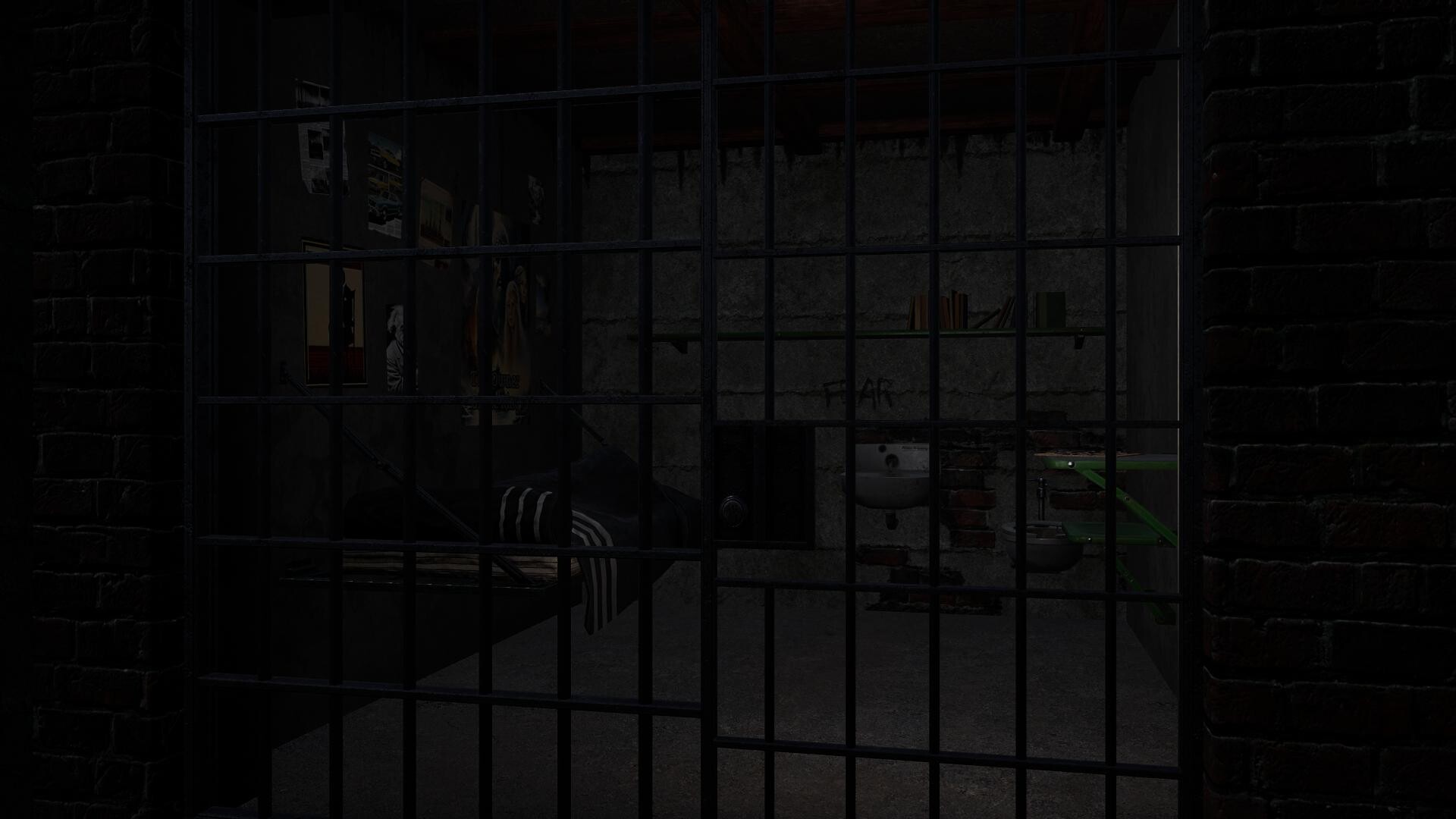
Visuals from the Steam page

Quick facts
| Title | Trace of the Villa |
|---|---|
| Steam AppID | 3483660 |
| Release date | 28 May, 2026 |
| Developer | Steadyturtle Co., Ltd. |
| Publisher | Steadyturtle Co., Ltd. |
| Genres | Action, Adventure, Indie |
| Categories / Features | Single-player, Color Alternatives, Custom Volume Controls, Playable without Timed Input, Subtitle Options, Family Sharing |
| Store link | Trace of the Villa on Steam |
Who should wishlist this — player scenarios
Scenario 1 — The methodical piecer-together
You like to collect fragments: a ledger here, a transfer record there, then sit back and watch a timeline coalesce. You prefer games that reward patient inspection over reflex-driven encounters.
Scenario 2 — Atmosphere-first explorers
You value environment and tone: the slow conviction that a space has been altered to hide people, and the emotional drive that makes each object matter. The mansion’s anonymized rooms are a narrative device you enjoy unraveling.
Scenario 3 — Puzzle-minded investigators
You’re drawn to puzzles that unlock context rather than just clear obstacles. Restoring power to systems, decrypting documents, and opening safes are the sorts of mechanical beats that lead to story beats here.
How Trace of the Villa compares to other narrative-driven mysteries
Below is an editorial comparison focused on atmosphere, puzzle style, pacing, and player fit — not on quality rankings.
| Title | Shared elements | Different emphasis | Best fit if you like… |
|---|---|---|---|
| Inscryption | Layered mystery and a sense of secrets folded into mechanics | Inscryption blends roguelike and meta-horror card mechanics; its pacing can be aggressive and surprising | Unsettling, puzzle-led discoveries that change how you think about the systems |
| Outer Wilds | Exploration-driven reveal of a broader mystery | Outer Wilds uses open-world exploration and cosmic scope rather than a single mansion’s contained narrative | Slow-burn revelation and piecing timelines together from environmental cues |
| The Forgotten City | Narrative puzzles with a focus on assembling events to influence outcomes | The Forgotten City relies on dialogue and branching consequences; Trace of the Villa centers on forensic clue-gathering | Investigative puzzles that alter your understanding of the story |
| The Medium | Psychological atmosphere and dual-layered storytelling | The Medium juxtaposes two realms; Trace of the Villa stays more grounded in a single location’s physical traces | Moody, emotionally-driven mysteries with a heavy focus on place |
| Journey | Strong emphasis on mood and non-verbal storytelling | Journey is minimalist and travel-focused; Trace of the Villa is clue-dense and investigative | Exploration that communicates story through space and objects rather thanYouTube discoveryFor trailer and gameplay discovery, use YouTube search rather than relying on unverified embeds: Find Trace of the Villa trailer and gameplay searches on YouTube. CommentsMore posts |
Leave a Reply