
Trace of the Villa — a premise-first guide for players who want story context without spoilers
Jin has spent years searching for his missing sister; a lead points him to a remote, decaying mansion where manifests and hints suggest she may still be alive. Trace of the Villa frames its mystery as a personal investigation inside a deliberately erased estate, asking players to read rooms, restore systems, and follow financial and identity traces toward answers.

Quick facts
| Title | Trace of the Villa |
|---|---|
| Release date | 28 May, 2026 |
| Developer / Publisher | Steadyturtle Co., Ltd. |
| Steam appid | 3483660 |
| Genres | Action, Adventure, Indie |
| Categories | Single-player; Color Alternatives; Custom Volume Controls; Playable without Timed Input; Subtitle Options; Family Sharing |
Who is this for?
- Players who prize premise-first mysteries: someone (Jin) driven by an unresolved family disappearance, investigating an environment that feels intentionally erased.
- Fans of atmospheric mystery adventure with environmental storytelling and clue-driven exploration rather than blunt exposition.
- People who enjoy methodical investigation — restoring power, unlocking compartments, and following forensic traces (manifests, transfer records, falsified identities) to reconstruct a timeline.
What the game is (premise, tone, and systems you can expect)
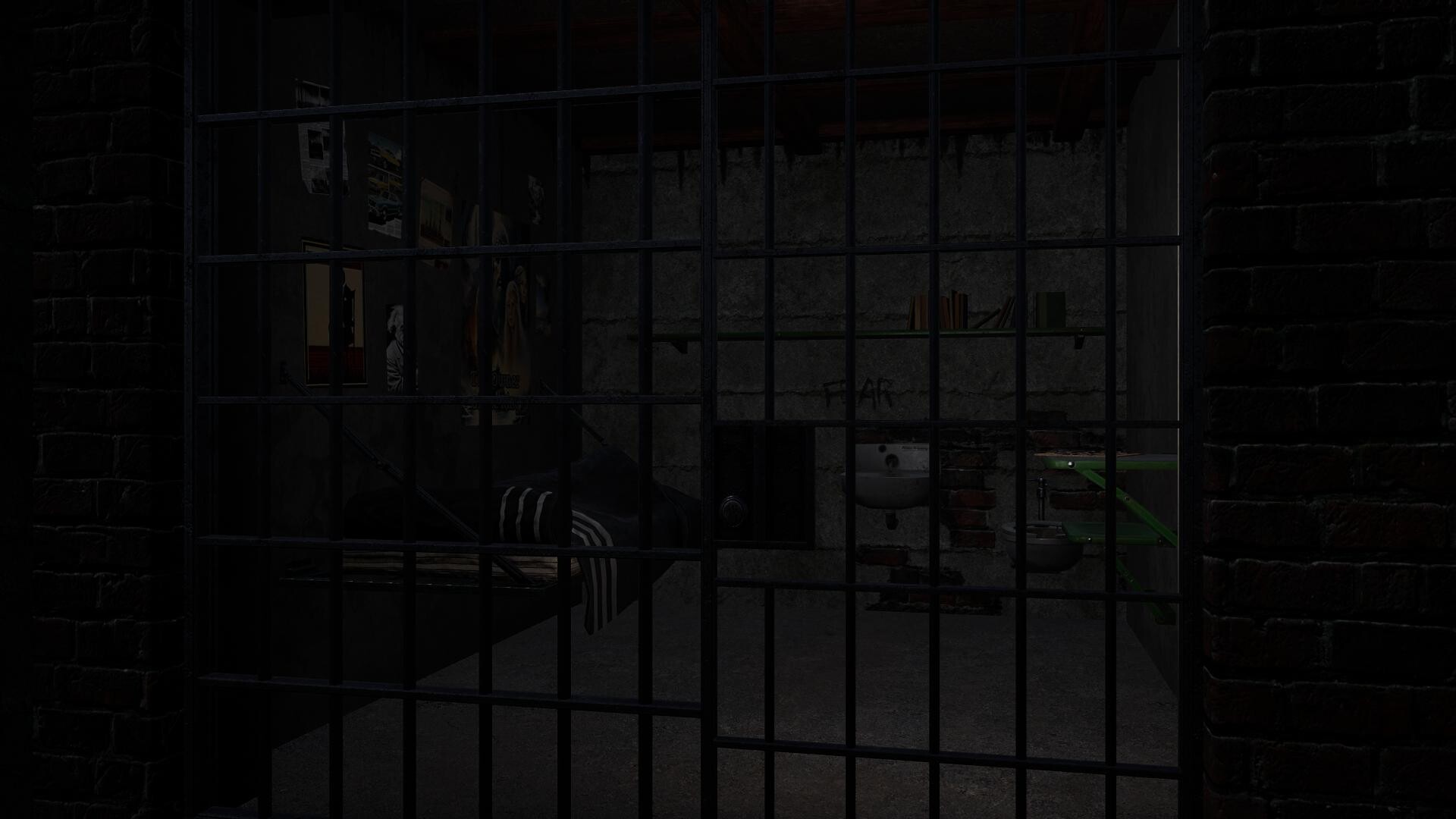
Officially described on Steam, Trace of the Villa opens with Jin arriving at a decaying mansion that has no recent records or owners but bears signs of past occupancy. The estate seems “erased”: furnished rooms but no photos or names, locked doors hiding secured secrets, and systems that, when restored, reveal fragments — encrypted documents, suspicious transfer records, and falsified identities. The tone is unsettling and investigative: you piece together a concealed operation through environmental evidence and puzzles that unlock more layers of the story.
When and where
Trace of the Villa released on Steam on 28 May, 2026 and is listed for PC via the Steam store page. Developer and publisher are Steadyturtle Co., Ltd.
Why the theme matters
The mansion-mystery setup gives the story two strengths: intimacy and opacity. It’s intimate because the protagonist’s search is personal (a missing sister), and opaque because the house has been deliberately stripped of identities and records — which turns every found item, restored circuit, and ledger into an interpretive clue. That framing rewards slow reading of the environment rather than chasing immediate answers.
How you progress without spoilers
- Explore rooms and note what’s absent as much as what’s present. The Steam description emphasizes missing photographs, no names, and “erased” identities — those absences are deliberate signals.
- Restore estate systems. When power and secured systems come back online, they reveal locked compartments, safes, and fragments of evidence (encrypted documents, transfer records). Expect puzzles tied to accessing those systems or decrypting fragments.
- Follow the traces. Financial trails, falsified identities, and manifests point you toward connections beyond the mansion — the story advances by linking artifacts and records into a timeline, not by a single cinematic reveal.
- Read timelines and manifests as primary narrative devices. The official description highlights manifests and hint fragments as the means by which Jin pieces together what happened.

Player scenarios — who should wishlist it (and who might wait)
- Wishlist if: you like slow-burn mansion mysteries where piecing together a timeline matters more than jump scares, and you enjoy exploration that rewards careful note-taking and connecting disparate clues.
- Wishlist if: you prefer narrative puzzle design tied to environmental systems — restoring power, unlocking safes, decrypting records — and want a personal-motivation story (a missing sister) rather than a purely cosmic threat.
- Consider waiting if: you prefer games that constantly push forward with action set pieces or prefer minimalist, non-diegetic exposition; Trace of the Villa emphasizes discovery through artifacts and regained systems rather than constant cinematic momentum.
How it compares — short editorial table
| Title | Primary genres | Atmosphere / Story tone | Puzzle focus | Exploration style | Pacing / Player fit |
|---|---|---|---|---|---|
| Trace of the Villa | Action, Adventure, Indie | Mansion mystery, personal investigation, deliberately erased identities | Clue-driven puzzles tied to restored systems, safes, encrypted documents | Room-by-room, forensic environmental reading | Slow-burn; players who like reconstructing timelines and reading artifacts |
| Inscryption | Adventure, Indie, Strategy | Dark, psychological horror woven into a card game narrative | Card-based, escape-room style puzzles integrated with roguelike deckbuilding | Linked scenes and meta-layer discovery | Players who like meta-narratives, card mechanics, and psychological puzzle twists |
| Outer Wilds | Action, Adventure | Mystical, cosmic curiosity about a trapped solar system | Environmental and observational puzzles tied to a time loop | Open-system space exploration across multiple locations | Explorers who enjoy open discovery, emergent connections, and slow revelation |
| Journey | Adventure, Indie | Poetic, solitary exploration of ancient ruins and vistas | Puzzle elements are minimal and woven into traversal | Broad, flowing landscapes that reward movement and atmosphere | Players who prefer emotional, visually-driven journeys over dense puzzles |
| The Forgotten City | Adventure, Indie, RPG | Narrative-driven mystery with moral and investigative stakes | Puzzles and decisions tied to a time-loop mechanic and social puzzles | Explorative investigation within a contained historical setting | Those who like branching narrative puzzles and moral problem-solving |
| The Medium | Adventure | Third-person psychological horror, dual-reality exploration | Puzzles that exploit interplay between the real world and the spirit realm | Linear, scene-based exploration with parallel realm mechanics | Players who seek psychological narrative tension and dual-reality puzzles |
Practical notes
- Steam presence: Trace of the Villa is available on Steam (appid 3483660). Developer and publisher: Steadyturtle Co., Ltd.
- Accessibility & options: Steam lists categories including Color Alternatives, Custom Volume Controls, Playable without
Steam page
View Trace of the Villa on Steam
YouTube discovery
For trailer and gameplay discovery, use YouTube search rather than relying on unverified embeds: Find Trace of the Villa trailer and gameplay searches on YouTube.
Leave a Reply