
Trace of the Villa — why quiet tension and identity erasure matter more than cheap shocks
Trace of the Villa drops you into a private investigation framed around absence: Jin has followed a lead to a remote, decaying mansion where manifests and hints suggest his missing sister may still be alive. Released on 28 May, 2026 by Steadyturtle Co., Ltd., the game trades headline jump scares for the slow-building dread of rooms that feel “less abandoned than erased.”

Who this is for
Trace of the Villa is aimed at players who prefer atmospheric mystery adventure and psychological investigation over reflex-driven horror. If you like exploration that hinges on environmental storytelling, uncovering documents and manifests, and a steady unpicking of a timeline, this is pitched at you. The Steam page lists the game as Action / Adventure / Indie and categorizes it as Single-player with options like Color Alternatives, Custom Volume Controls, Playable without Timed Input, Subtitle Options, and Family Sharing — details that help clarify it leans toward deliberate exploration rather than twitch mechanics.
What the game is
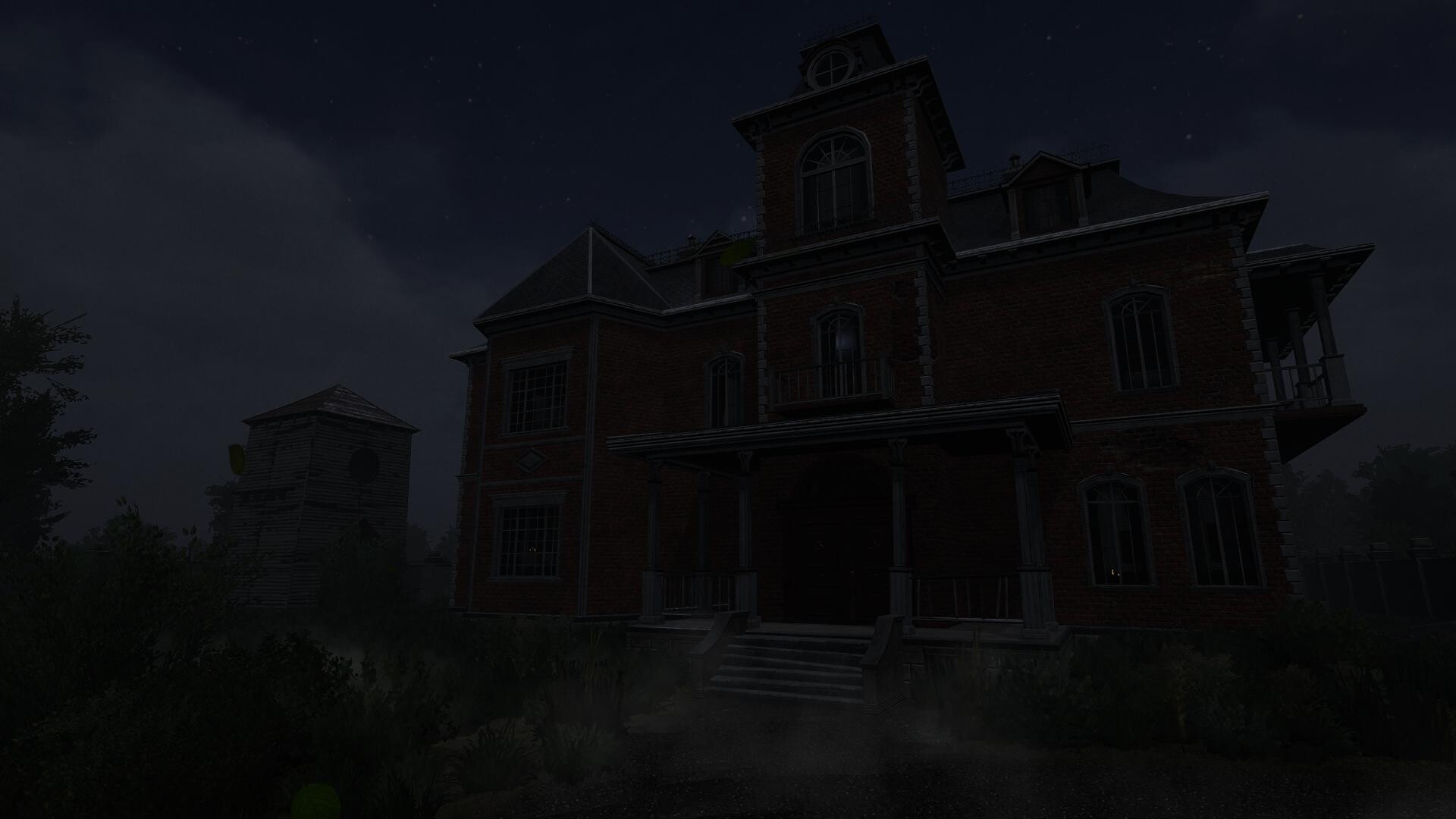
Officially described on Steam, Trace of the Villa follows Jin as he investigates a decaying mansion cut off from the grid. Rooms remain furnished as if occupants vanished mid-routine; personal items are present but crucially stripped of names and photographs, implying identity erasure. Gameplay moments highlighted in the official description include restoring power to the estate, reactivating secured systems, unlocking hidden compartments, and recovering fragments of encrypted documents and suspicious transfer records. The narrative thread is investigative and personal: the clues point to a controlled operation, falsified identities, and arrivals and departures without official records.

When and where
Trace of the Villa released on Steam on 28 May, 2026. It is developed and published by Steadyturtle Co., Ltd. The Steam store listing and official visuals are the primary public sources for the game’s premise and features.
Why quiet tension and unexplained spaces matter
The game’s official description emphasizes absence as a storytelling device: rooms staged mid-routine, personal items without names or photos, and records that have been erased or falsified. That pattern creates an atmosphere of intentional erasure rather than accidental decay. In psychological horror, uncertainty and the slow accumulation of contradictory evidence can be more corrosive than a parade of shocks. Trace of the Villa leverages that by tying emotional stakes to investigative beats — Jin isn’t just solving puzzles, he’s reconstructing a life erased from the paperwork. The emotional resonance comes from small details and the steady reveal of an organized system behind the mansion’s emptiness.
How you read clues and progress
According to the Steam description, progression revolves around restoring systems and uncovering secured caches: reactivating power, bringing locked systems online, opening hidden compartments, and decrypting documents that together form a partial timeline. That suggests a gameplay loop focused on environmental puzzle design and clue-driven exploration: examine spaces, restore infrastructure, get access to new areas, and piece together what the manifests and transfer records imply. The “Playable without Timed Input” category is an explicit signal that progress favors methodical investigation over split-second reactions, making it suitable for players who prefer to solve rather than scramble.
Compact facts — Trace of the Villa
| Title | Trace of the Villa |
|---|---|
| Steam AppID | 3483660 |
| Release date | 28 May, 2026 |
| Developer / Publisher | Steadyturtle Co., Ltd. |
| Genres | Action, Adventure, Indie |
| Key categories (Steam) | Single-player; Color Alternatives; Custom Volume Controls; Playable without Timed Input; Subtitle Options; Family Sharing |
| Premise | Jin investigates a decaying mansion where manifests and hints suggest his missing sister may still be alive; the house feels “less abandoned than erased.” |
How Trace of the Villa compares (editorial discovery)
Below is a concise, lawful editorial comparison of nearby titles that share elements with Trace of the Villa. These comparisons focus on genre, atmosphere, puzzle emphasis, exploration style, story tone, and pacing rather than claims of superiority.
| Game | Genre(s) | Atmosphere | Puzzle focus | Exploration style | Story tone | Pacing / Best for |
|---|---|---|---|---|---|---|
| Trace of the Villa | Action / Adventure / Indie | Slow-burn mansion mystery; unexplained spaces and identity erasure | Environmental puzzles, document recovery, locked systems and safes | Clue-driven, restoration of systems to access new areas | Investigative and personal | Slow-burn suspense; players who like methodical puzzle investigation |
| Amnesia: The Dark Descent | Action / Adventure / Indie | Immersive, oppressive Gothic horror | Puzzle and survival elements with physics-based interactions | First-person immersion with a focus on atmosphere | Existential dread and survival | Intense immersion; players who want immediate tension and dread |
| SOMA | Action / Adventure / Indie | Sci‑fi, claustrophobic and philosophical | Puzzles tied to environment and sci‑fi systems | Exploration of facility spaces with narrative reveals | Existential and unsettling; questions of identity | Slow-burn and narrative-heavy; players who prioritize story and ideas |
| Layers of Fear (2016) | Adventure / Indie | Shifting, surreal Victorian mansion | Psychological, environment-manipulating puzzles | Forward-driven, often corridor-to-room exploration | Madness and obsession | Story-focused atmosphere; players who want a hallucinatory narrative |
| Poppy Playtime | Action / Adventure / Indie | Toy-factory horror with tense puzzle moments | Steam page
View Trace of the Villa on Steam YouTube discoveryFor trailer and gameplay discovery, use YouTube search rather than relying on unverified embeds: Find Trace of the Villa trailer and gameplay searches on YouTube. CommentsMore posts |
Leave a Reply