
Trace of the Villa — an escape-room style mystery about restoring power, unlocking spaces, and reconstructing evidence
Trace of the Villa drops you into a decaying mansion where Jin, the protagonist, follows cold leads that may finally point to his missing sister. The game’s loop centers on restoring power to the estate, bringing locked systems back online, and using recovered manifests and fragments of evidence to push into new rooms and new revelations.

Quick facts
| Title | Trace of the Villa |
|---|---|
| Steam App ID | 3483660 |
| Release date | 28 May, 2026 |
| Developer | Steadyturtle Co., Ltd. |
| Publisher | Steadyturtle Co., Ltd. |
| Genres | Action, Adventure, Indie |
| Categories (Steam) | Single-player; Color Alternatives; Custom Volume Controls; Playable without Timed Input; Subtitle Options; Family Sharing |
| Official short description | Jin has spent years searching for his missing sister, pursuing leads that took him to a remote, decaying mansion where he recovered manifests and hints that indicate his sister may still be alive, somewhere at the end of the trail he is about to follow. |
Who this is for
If you prefer slow-burn suspense and environmental storytelling over twitch reflexes, Trace of the Villa will likely fit. It targets players who enjoy locked-room thinking, tracing chains of clues across rooms, and letting the mansion itself do much of the narrative work — readers of their surroundings who reward methodical observation.
What the game is
Trace of the Villa is a story-rich adventure from Steadyturtle Co., Ltd. that blends exploration and puzzle work inside a deliberately forgotten mansion. According to the official description, Jin finds rooms furnished as if occupants vanished mid-routine and secured systems that, when powered up, reveal hidden compartments, safes, and fragments of encrypted documents and suspicious transfer records.

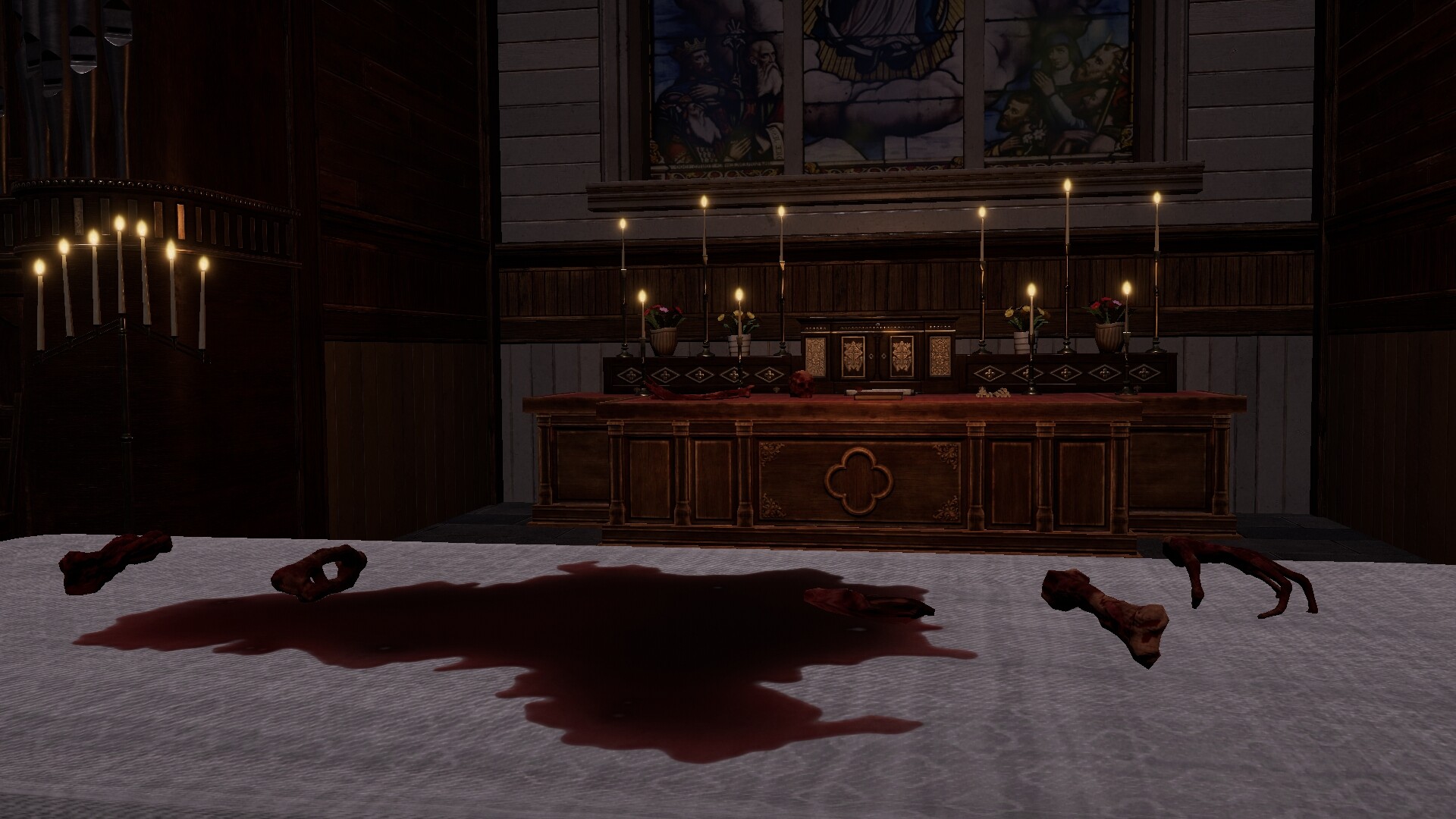
When and where
Trace of the Villa released on 28 May, 2026 and is available on Steam for PC. The Steam store listing (app 3483660) lists the game under Action, Adventure, and Indie and includes accessibility and options like color alternatives, custom volume controls and subtitle options.
Why the theme matters
The central conceit — a mansion cut off from the grid and deliberately forgotten — lets the game frame puzzles as forensic work. When Jin restores power, “secured systems come back online” and “hidden compartments unlock.” That design choice turns every technical restoration into narrative progression: electricity is literally the key that reveals more evidence and more rooms to inspect, reinforcing a detective-style loop rather than pure item-chaining.
How you read clues and progress
The official description maps the core loop: investigate preserved rooms, recover manifests and encrypted fragments, restore estate systems, and use newly-available devices and unlocked safes to advance. Gameplay rewards environmental reading — objects left in mid-routine, absent photographs and names, and suspicious transfer records combine into clue chains. Progression is less about brute-force trial-and-error and more about building a coherent timeline from partial records and unlocked data.
Player scenarios — concrete examples of how Trace of the Villa might play for you
- Puzzle-first player: You methodically gather manifests, reroute power to sections of the house, and treat each restored circuit as a new puzzle hub. Expect locked systems to be the gating mechanism — repair them to expose safes and encrypted documents.
- Story-focused player: You follow Jin’s personal lead. The absence of names and photos in rooms encourages reading the environment for hints at manipulated identities and hidden operations; each recovered fragment shifts the narrative focus.
- Explorer/atmosphere player: You savor sightlines through the estate and the slow reveal when lights come on. The mansion is staged to make exploration feel investigative, with payoff tied to finding and assembling disparate physical evidence.
How Trace of the Villa compares (editorial discovery)
Below is a compact editorial comparison to nearby mystery and puzzle-oriented titles. This table compares genre and design emphasis — not quality claims.
| Game | Genre | Atmosphere / Tone | Puzzle focus | Exploration style | Pacing / Player fit |
|---|---|---|---|---|---|
| Trace of the Villa | Action, Adventure, Indie | Mansion mystery, psychological investigation | Clue chains, restoring systems to unlock new content | Linear rooms revealed via repairs and unlocked systems | Slow-burn; for methodical observers and narrative sleuths |
| The Room | Adventure, Indie | Claustrophobic, enigmatic | Mechanical safes and single-room puzzle boxes | Contained, focused on object inspection | Puzzle-centric; players who like tactile, intricate locks |
| The Room Two | Adventure, Indie | Cryptic, atmospheric | Progressive puzzle sequences across set locations | Series of distinct encapsulated environments | Players who prefer carefully staged, sequential puzzles |
| Escape Simulator | Adventure, Casual, Indie, Simulation | Playful, interactive | Highly interactive room puzzles, physics interactions | Sandboxy within rooms; community-made variety | Great for cooperative puzzling and experimental interactions |
| Hi-Fi RUSH | Action | Beat-driven, energetic | Action-puzzle hybrids tied to rhythm | Action arenas and combat-forward spaces | Fast-paced players who enjoy rhythm and combat |
| Football Manager 2022 | Simulation, Sports | Strategic, managerial | Data-driven decision puzzles (management) | Menu- and UI-driven systems rather than physical spaces | Long-form strategic players focused on systems and simulation |
Trailer / further footage
For videos and trailers search discovery, try the Steam-related YouTube search path: View Trace of the Villa on Steam
Leave a Reply