
Trace of the Villa: a slow-burn mansion mystery for meticulous lore readers
Trace of the Villa puts you in the shoes of Jin, a relentless searcher following a frayed trail to a remote, decaying mansion where manifests and encrypted fragments hint that his missing sister might still be alive. If you prize clue-driven exploration, environmental storytelling, and piecing together a buried administrative web from documents and locked safes, this release is aimed squarely at careful investigators.

| Title | Trace of the Villa |
|---|---|
| Steam AppID | 3483660 |
| Developer | Steadyturtle Co., Ltd. |
| Publisher | Steadyturtle Co., Ltd. |
| Release date | 28 May, 2026 |
| Genres | Action, Adventure, Indie |
| Key categories / accessibility | Single-player; Color Alternatives; Custom Volume Controls; Playable without Timed Input; Subtitle Options; Family Sharing |
Who is this for?
This is for meticulous players who treat inventory and documents like evidence: lore readers, investigation fans, and anyone who enjoys environmental storytelling that rewards careful note‑taking. If your idea of joy is translating fragmentary manifests, tracing financial transfers, and reconstructing a timeline from safes and encrypted files, Trace of the Villa is designed with your patience in mind.
What the game is
Officially described as an investigation that begins when Jin follows a lead to a deliberately forgotten mansion, Trace of the Villa focuses on uncovering a concealed operation hidden behind erased identities, falsified records, and sealed rooms. The story unfolds through restored estate systems, hidden compartments, safes, and fragments of encrypted documents: narrative puzzle design built around piecing disparate clues together rather than spectacle.

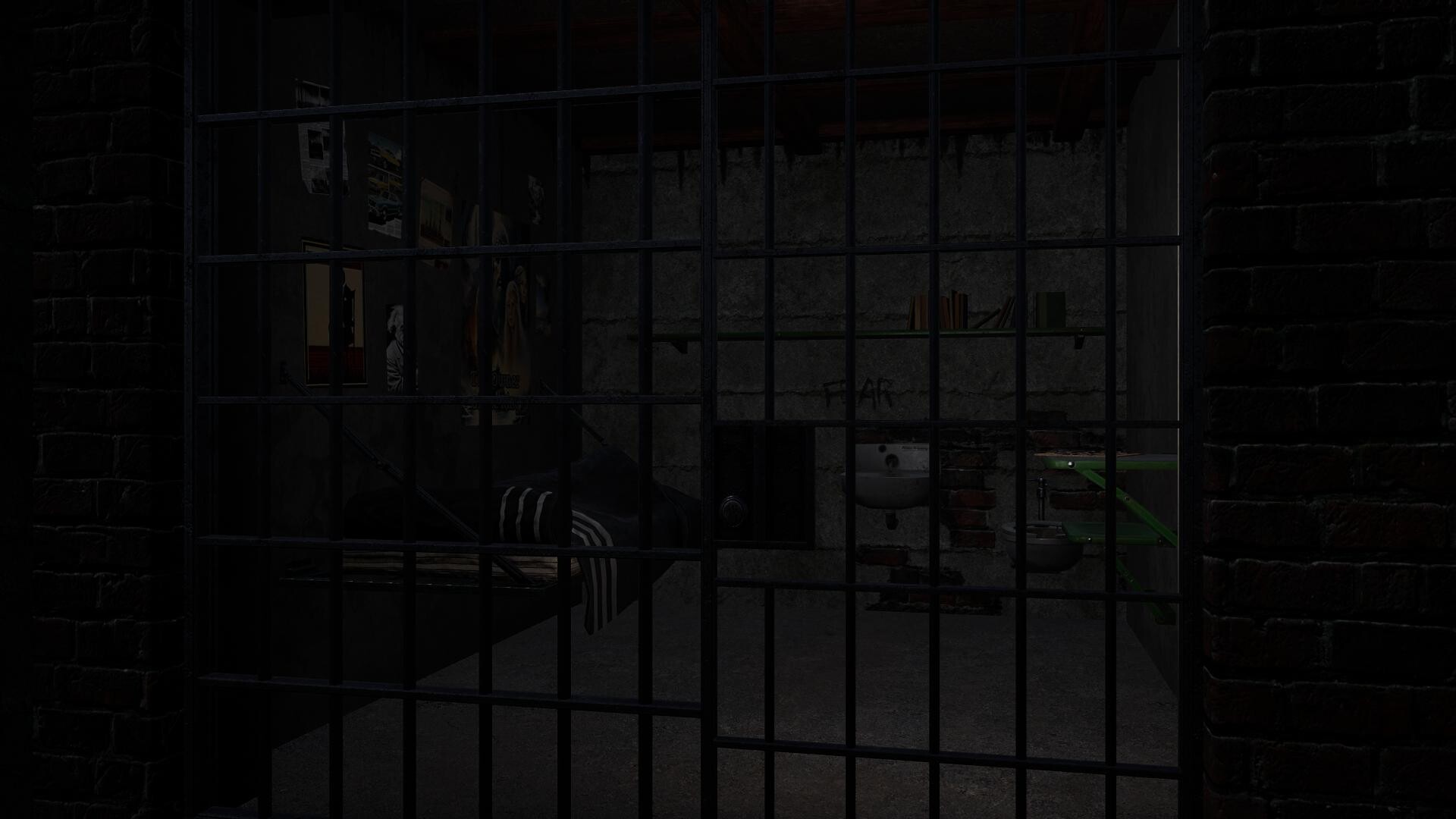
When and where
Trace of the Villa released on 28 May, 2026 and is available on Steam for PC. The Steam page lists the developer and publisher as Steadyturtle Co., Ltd., and the store tags show Action, Adventure, and Indie alongside accessibility options such as subtitle support and color alternatives.
Why the theme matters
The narrative threads in the official description foreground identity erasure, falsified transfers, and an operation that treated people as records to be moved. For players who prefer investigative mysteries that lean on administrative and procedural traces rather than overt supernatural explanation, that framing promises a different kind of dread: the uncanny silence of a place where names and photographs were removed and financial and bureaucratic traces are the primary clues.
How progression and clue-reading work
According to the official description, gameplay progression is rooted in restoring estate systems, unlocking hidden compartments, and opening safes to reveal encrypted documents and suspicious transfer records. Expect to read manifests, cross-reference fragments, follow financial and identity trails, and assemble a timeline. The design appears to privilege methodical examination and deduction: solve a puzzle or restore a subsystem, and the mansion reveals another layer to interrogate.
Player scenarios — who should wishlist this
- The archivist: You want to catalogue scraps of evidence, annotate manifests, and reconstruct a chronology from documents and sealed spaces.
- The slow-burn atmosphere player: You prefer tension built through set dressing, locked doors, and escalating discovery rather than jump scares or frantic action.
- The puzzle-lore hybrid fan: You enjoy narrative puzzles where solving a mechanical or environmental riddle directly advances your understanding of the plot.
- The lore community starter: You like games that encourage careful forum threads, clue maps, and theorycrafting about hidden backstory.
- The accessibility-minded player: You need subtitle options, color alternatives, and the option to play without timed input.
How it compares (short editorial table)
| Game | Primary genre / tone | Puzzle / exploration focus | Pacing & player fit |
|---|---|---|---|
| Trace of the Villa | Action / Adventure / Indie — atmospheric mansion investigation | Document-driven clues, safes, restored systems, encrypted fragments | Deliberate, methodical; for meticulous clue-readers |
| Inscryption | Adventure / Indie / Strategy — card-based, psychological | Deck mechanics that hide meta-puzzles and escape-room style challenges | Experimental, puzzle-forward; suits players who like mechanical trickery and narrative layers |
| Outer Wilds | Action / Adventure — open-world mystery | Exploration-led discovery across a solar system and a looping timeline | Exploratory and patient; for those who map environments and stitch observations into a theory |
| Journey | Adventure / Indie — contemplative exploration | Environmental storytelling with minimal explicit clues | Quiet, emotional; best for players who prefer impressionistic discovery over documents |
| The Forgotten City | Adventure / Indie / RPG — narrative mystery, time mechanics | Dialogue and cause-effect puzzles tied to a time-loop narrative | Choice-driven and narrative-focused; suits players who enjoy moral and logical puzzles |
| The Medium | Adventure — psychological/horror dual-realm exploration | Dual-realm puzzles and narrative investigation into trauma and secrets | Psychological and tense; for players who want layered realities and haunting atmosphere |
Use this table to match Trace of the Villa’s document-first investigation against other mystery approaches — from card-meta puzzles to open-world cosmology to cinematic atmosphere.
YouTube discovery (trailers & gameplay)
If you want to see footage or trailers, search for Trace of the Villa trailer or gameplay on YouTube: search Trace of the Villa on YouTube. This link is for discovery; check video sources carefully if you require official trailers.
Steam page
Leave a Reply