
Trace of the Villa — an atmospheric, clue-driven mansion mystery for narrative puzzle fans
Trace of the Villa positions you in Jin’s footsteps: a years-long search for a missing sister that leads to a decaying, deliberately forgotten mansion full of manifests, locked systems, and encrypted fragments. If you prize slow-burn suspense, environmental storytelling, and puzzles that reward careful clue reading and object logic, this Steam release is worth evaluating for your wishlist.

Quick facts
| Title | Trace of the Villa |
|---|---|
| Release date | 28 May, 2026 |
| Developer / Publisher | Steadyturtle Co., Ltd. |
| Steam appid | 3483660 |
| Genres | Action, Adventure, Indie |
| Categories | Single-player; Color Alternatives; Custom Volume Controls; Playable without Timed Input; Subtitle Options; Family Sharing |
| Short premise (official) | Jin recovers manifests and hints in a remote mansion that indicate his missing sister may still be alive somewhere at the end of the trail he’s about to follow. |
Who is this for?
Trace of the Villa is aimed at players who enjoy narrative puzzle adventures where the story emerges through found documents, locked safes and restored systems rather than dialogue-heavy cinematics. It suits solo PC players who want methodical, environmental investigation — the Steam page lists Single-player and notes it is Playable without Timed Input, which points to a deliberate, exploratory pace.
What the game actually is
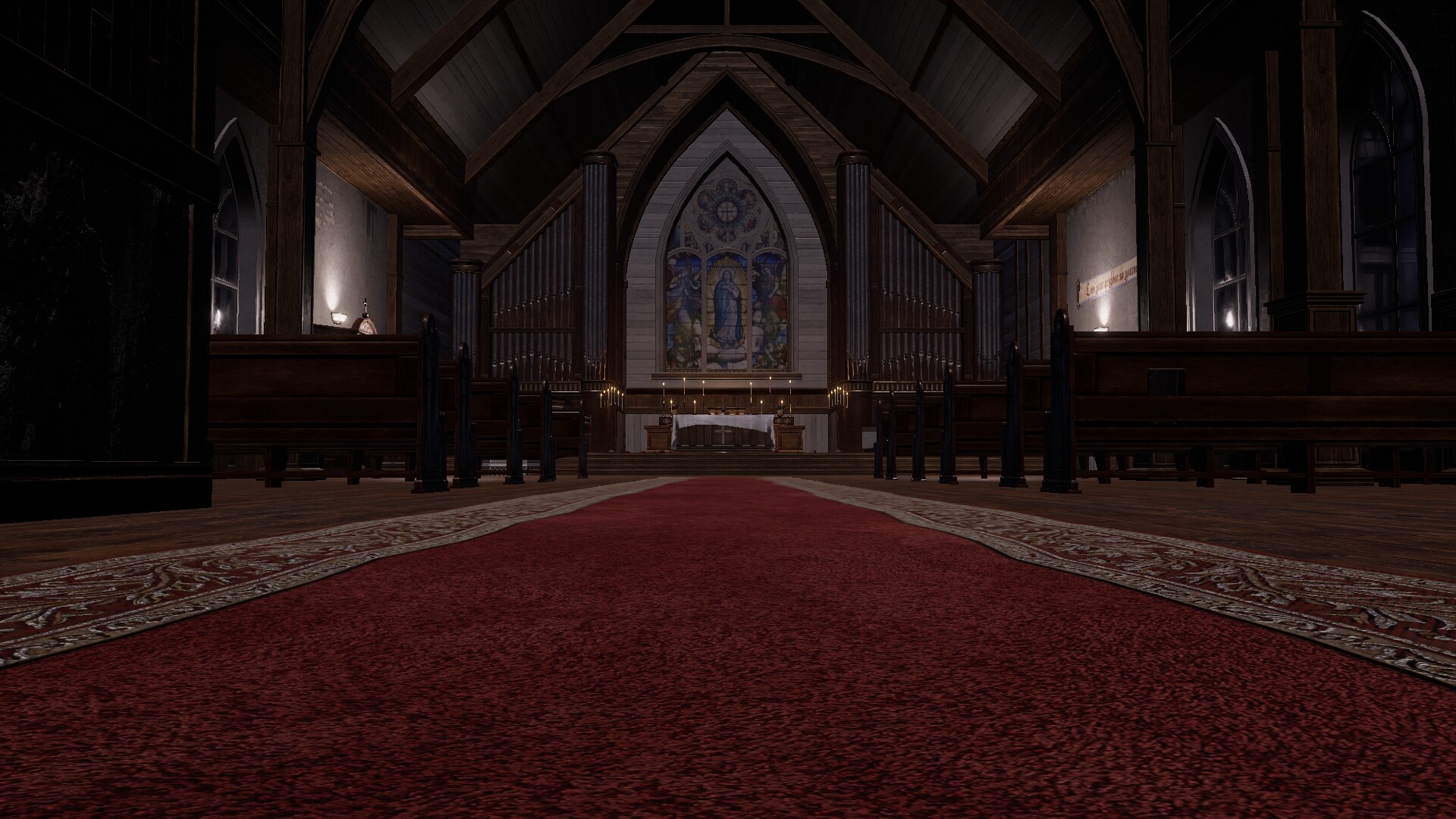
According to the official Steam description, you play as Jin, investigating a decaying mansion cut off from the grid. The house appears “erased”: furnished rooms with no recent records, locked doors and hidden compartments. Restoring power and unlocking secured systems produces fragments of encrypted documents, suspicious transfer records, and other puzzle-led evidence that gradually reveals the place’s role in a larger, controlled operation.

When and where to get it
Trace of the Villa released on Steam on 28 May, 2026. The game’s Steam page lists Steadyturtle Co., Ltd. as both developer and publisher. If you want to wishlist or purchase, use the official Steam store page link below.
Visit Trace of the Villa on Steam
Why the mansion, documents, and erased identities matter
Thematically, Trace of the Villa leans on absence as a storytelling device: rooms preserved mid-routine, missing photographs, and falsified identities. Those silences become the primary clues. For narrative puzzle adventures, that approach changes the player’s job from pure mechanical puzzle solving to cultural forensics — you’re interpreting traces and making narrative inferences from objects, manifests and encrypted fragments. That matters if you want a story that unfolds as you reconstruct context rather than being told outright.
How you read clues and progress
The official description highlights specific mechanics that shape progression: restoring power to the mansion, bringing secured systems back online, unlocking hidden compartments, and retrieving fragments from safes and encrypted documents. This implies a loop of exploration → environment manipulation → document interpretation → puzzle solution. Object logic (how items interact with the environment) and clue reading (connecting manifests, transfer records, and missing names) are core to moving the narrative forward.
Player scenarios — which play styles fit best
- The clinical investigator: You enjoy combing rooms for every scrap of context and reconstructing timelines. The erased-identity angle rewards careful note-taking and inference.
- The tactile puzzler turned storyteller: You like puzzles that tether directly to plot beats — opening a safe yields a document that reframes a previous scene.
- The slow-burn atmospheric player: You prefer pacing that prioritizes mood over constant action; the single-player, non-timed design choices on Steam support that tempo.
- Not your fit: If you expect fast-paced combat or multiplayer puzzle sessions, the Steam categories and the narrative focus suggest a different experience than, for example, social co-op escape rooms.
How Trace of the Villa compares to nearby puzzle-adventure experiences
Below is a concise editorial comparison based on genre, atmosphere, puzzle focus, exploration style, and player fit. This is an editorial discovery, not an endorsement or ranking.
| Title | Genre / Release | Puzzle focus | Atmosphere & pacing | Player fit |
|---|---|---|---|---|
| Trace of the Villa | Action / Adventure / Indie — released 28 May, 2026 | Narrative puzzles, clue reading, object logic, restoring systems and decrypting documents | Mansion mystery, slow-burn, investigative | Solo players who like environmental storytelling and forensic clue work |
| The Room | Adventure / Indie — (2014) | Tactile object puzzles centered on safes and mechanisms (cast-iron safe premise) | Mysterious, single-room sequences with puzzle-driven reveals | Players who like tactile, mechanical puzzle boxes and contained mystery |
| The Room Two | Adventure / Indie — (2016) | Object-based puzzles and atmospheric exploration (crypt/pedestal premise) | Expands on cryptic, puzzle-led pacing | Fans of extended tactile puzzle chains and a focused, eerie tone |
| Escape Simulator | Adventure / Casual / Indie — (2021) | Highly interactive escape-room puzzles, emphasis on object manipulation and community levels | Varied rooms; often puzzle-first and sometimes cooperative | Players seeking physical interactivity, co-op or thousands of community rooms |
| Unpacking | Casual / Indie / Simulation — (2021) | Block-fitting, object placement as storytelling (domestic clue-reading) | Zen, gentle pacing with strong environmental narrative cues | Players who prefer quiet, interpretive environmental storytelling over explicit puzzles |
YouTube discovery
If you want to see trailers or early gameplay footage, search YouTube for Trace of the Villa using this discovery link (useful for trailers and gameplay clips; not a verified official video link): Search Trace of the Villa on YouTube.
Bottom line — who should wishlist it?
Wishlist Trace of the Villa if you value atmospheric mansion mysteries, parsing manifests and encrypted fragments, and a puzzle loop built around restoring systems and interpreting absences. If you prefer rapid-action encounters, large-scale open-world exploration, or multiplayer puzzle rooms, this Steam-listed single-player, non-timed, narrative-driven approach may not match your expectations.
Leave a Reply