
Trace of the Villa — a slow-burn mansion mystery where a missing-person case drives every clue
Jin has hunted for his missing sister for years, and the trail finally leads him to a remote, decaying mansion filled with manifests and signs that someone—maybe his sister—might still be alive. Trace of the Villa stitches environmental storytelling, locked systems and puzzle-led investigation into an atmospheric mystery adventure built around a personal stake.

Quick facts
| Title | Trace of the Villa |
|---|---|
| Steam appid | 3483660 |
| Release date | 28 May, 2026 |
| Developer | Steadyturtle Co., Ltd. |
| Publisher | Steadyturtle Co., Ltd. |
| Genres | Action, Adventure, Indie |
| Categories | Single-player; Color Alternatives; Custom Volume Controls; Playable without Timed Input; Subtitle Options; Family Sharing |
Who is this for?
Trace of the Villa is aimed at players who prioritize character-driven stakes and atmospheric mystery over fast-paced spectacle. If you want a story where the protagonist’s motive—Jin searching for a missing sister—shapes every room you open and every puzzle you solve, this one is pitched at you. It also fits players who like investigative pacing: careful observation, inventorying fragments, and following a trail of documents and systems rather than nonstop combat arenas.
What the game is (and what it isn’t)
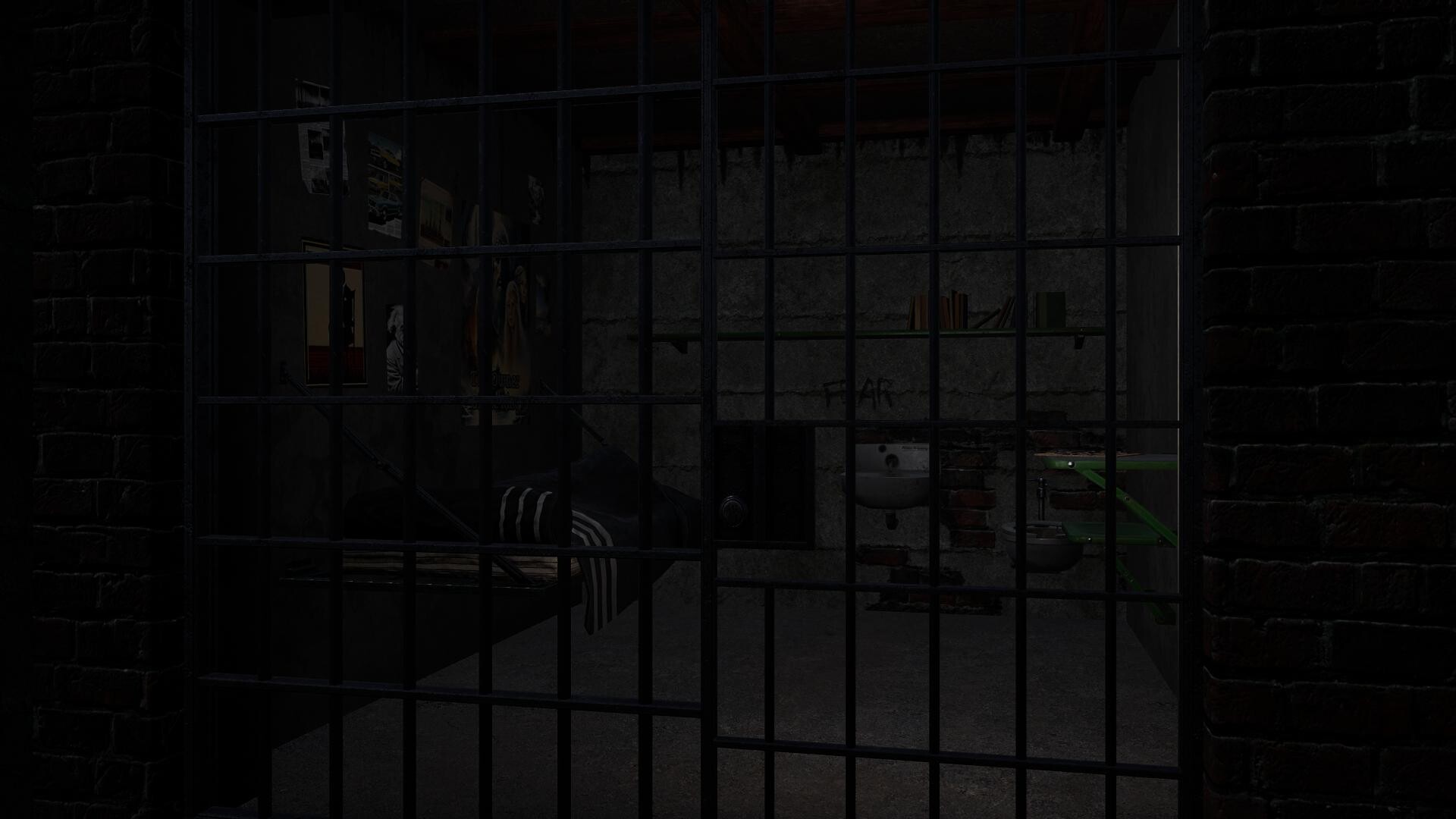
Official Steam copy frames Trace of the Villa as a slow-burn psychological investigation set inside a deliberately forgotten estate. Jin recovers manifests and hints inside a cut-off mansion; restoring power and reactivating secured systems reveal hidden compartments, encrypted documents, suspicious transfers and falsified identities. The mansion reads as a controlled environment—arrivals without records, departures without witnesses—so the game leans into environmental storytelling, locked-room puzzles, and clue-driven exploration rather than open-world traversal. Expect a narrative puzzle design where piecing together timelines and financial trails is as important as solving mechanical riddles.

When and where
Trace of the Villa released on Steam on 28 May, 2026 and is published and developed by Steadyturtle Co., Ltd. It’s offered on PC through Steam as a single-player indie title. The Steam page lists accessibility features like color alternatives, subtitle options, and the ability to play without timed input, useful to players who prefer a measured investigation pace.
Why the missing-person core matters
Missing-person stakes convert ordinary exploration into an urgent moral compass: the game’s puzzles don’t just unlock doors, they unlock context about who the people were and why their identities were erased. The official premise emphasizes that rooms appear “erased” — no photographs, no names — which reframes standard environmental detail as gaps to be interrogated. That personal motive (Jin’s search for his sister) is the filter through which every recovered manifest, suspicious transfer, and falsified identity gains emotional weight.
How you’ll play and progress
The official description signals progression by systems reactivation and document-hunting: restore power, bring secured systems back online, open hidden compartments, decrypt fragments, and trace financial or identity trails. Expect a mix of environmental puzzles and investigative minigames where the reward is a new piece of timeline or a ledger entry that reframes earlier assumptions. The structure favors sequential discovery—solve one locked system, reveal another corridor or file, and follow the chain of evidence toward the next lead.
Player scenarios — who should wishlist this
- Investigative slow-burn players: You enjoy narrative puzzle design where clues are documents, system logs and personal items rather than combat loot.
- Atmospheric explorers: You prefer careful environmental storytelling and a mansion mystery with psychological undertones over horror jump-scares.
- Character-motivated players: You want a protagonist whose emotional investment (a missing sister) steers the narrative beats and reinterprets found evidence.
- Accessibility-conscious players: If subtitle options, color alternatives and non-timed play styles matter, the Steam listing suggests helpful options.
How it compares to nearby mystery/puzzle titles
Below is an editorial comparison focused on tone, puzzle emphasis and player fit—not a value judgment.
| Title | Core focus | Narrative tone | Puzzle / exploration emphasis | Player fit |
|---|---|---|---|---|
| Inscryption | Card-based meta-horror and escape-room puzzles | Psychological, self-referential horror | Puzzle-based, emergent mystery through mechanics | Players who like procedural surprises and genre-bending design |
| Outer Wilds | Open-world solar system mystery with a time loop | Curious, exploratory, scientific wonder | Exploration-driven puzzles and environmental discovery | Players who favor open-ended investigation and discovery pacing |
| Journey | Atmospheric exploration and emotional travel | Minimalist, contemplative | Non-verbal environmental storytelling | Players seeking mood-driven, short-form exploration |
| The Forgotten City | Narrative-driven mystery with a time-loop premise | Moral, consequential mystery | Dialog and consequence-heavy puzzle solutions | Players who enjoy narrative choices that affect outcomes |
Leave a Reply