
Trace of the Villa — a clue-first mansion mystery
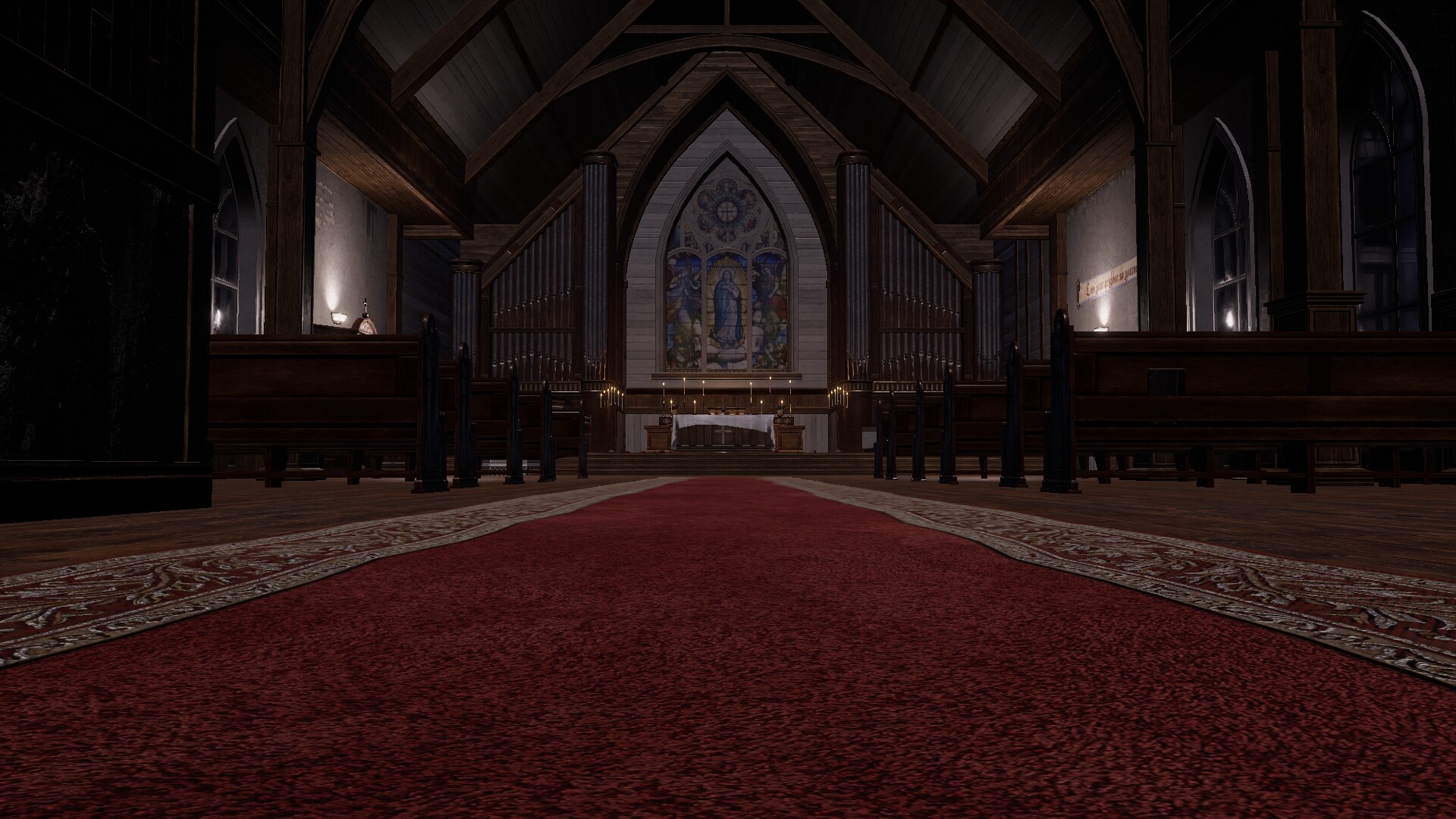
Trace of the Villa is an atmospheric mystery adventure from Steadyturtle Co., Ltd., released on 28 May, 2026 on Steam. It centers on Jin, who follows manifests and hints through a remote, decaying mansion—gameplay that privileges clue reading, object logic, and story puzzles over action-heavy pacing.

Who this is for
If you prefer slow-burn suspense, environmental storytelling, and puzzle-led investigation to twitch reflexes or combat, Trace of the Villa is pitched at you. The Steam page lists it under Action, Adventure, and Indie, but the core appeal signaled in its description is detective-style clue reading: recovering manifests, restoring systems, and piecing together a timeline where identities and records are deliberately erased.
What the game is (and what it isn’t)
Official copy describes Jin’s search for his missing sister leading to “a remote, decaying mansion” where recovered manifests and hints suggest she may still be alive. When Jin restores power, secured systems come back online, hidden compartments unlock, and safes yield fragments of encrypted documents and suspicious records. Those elements point to a design centered on interpreting evidence, solving layered story puzzles, and following documentary trails rather than on fast-paced combat or high-octane action sequences.
When and where
Trace of the Villa launched on Steam on 28 May, 2026. It is published and developed by Steadyturtle Co., Ltd. — available on the Steam PC platform under appid 3483660.
Why the theme matters
The mansion-as-investigation space is a familiar puzzle-adventure canvas because it makes clue-reading tangible: rooms, objects, and powered systems can each hold narrative fragments. In Trace of the Villa the absence of records and photographs — “as if identities themselves were removed” — changes how you read found items. That erasure forces you to rely on object logic and cross-referenced documents to reconstruct who lived here and why people moved through the estate under strict control.
How progression works: clues, objects, and story puzzles
The Steam description explicitly notes a progression loop tied to restoring power and unlocking sealed systems. Practically, that means solving environmental and inventory puzzles (finding how to re-enable a circuit, open a hidden compartment, or decrypt a fragment), then using the newly visible evidence to unlock the next lead. The emphasis on manifests, encrypted documents, and falsified identities implies puzzle design that connects forensic reading of text to physical object manipulation.

Quick facts
| Title | Trace of the Villa |
|---|---|
| Developer | Steadyturtle Co., Ltd. |
| Publisher | Steadyturtle Co., Ltd. |
| Release date | 28 May, 2026 |
| Steam appid | 3483660 |
| Genres | Action, Adventure, Indie |
| Notable Steam categories | Single-player; Color Alternatives; Custom Volume Controls; Playable without Timed Input; Subtitle Options; Family Sharing |
Who should wishlist it — player scenarios
- Investigation-first players: you enjoy reading manifests, cross-checking documents, and using environmental clues to reconstruct events.
- Fans of atmospheric, slow-burn suspense who value mood and story puzzles over combat-driven escalation.
- Players who prefer accessibility options such as subtitle support, color alternatives, and no timed inputs (as listed on Steam).
- Room-scale puzzle fans who appreciate systems that unlock new information when you restore power and re-enable estate infrastructure.
How Trace of the Villa compares to nearby puzzle-adventure games
Below is a compact editorial comparison focused on puzzle focus, atmosphere, pacing, and player fit — not on sales or awards.
| Title | Puzzle focus | Atmosphere / tone | Pacing / player fit |
|---|---|---|---|
| Trace of the Villa | Clue-driven: manifests, encrypted documents, object logic; progression tied to restoring systems | Decaying mansion, erasure of identity, investigative and unsettling | Methodical; suited to players who prefer reading and reconstruction over action |
| The Room | Mechanical puzzle boxes and tactile object puzzles (safe, carvings) | Mysterious, intimate chamber-focused tension | Slow, tactile; ideal for single-room puzzle enthusiasts |
| The Room Two | Expanded mechanical puzzles across connected set pieces | Cryptic and exploratory, maintains focused mystery tone | Measured pacing; suits players who like evolving puzzle scenarios |
| Escape Simulator | Highly interactive escape-room style with manipulable objects and environment | Playful to tense depending on room; community-made variety | Flexible pacing; good for solo or co-op players who enjoy physical interaction with objects |
| Unpacking | Zen, object-placement puzzles that reveal life stories through belongings | Quiet, reflective; more slice-of-life than menace | Calm, leisurely; fits players who like narrative revealed through objects |
| hack_me | Hacker-simulation puzzles (commands, bruteforce, SQL-like tasks) | Technical, system-focused rather than environmental | Task-oriented; suits players who prefer simulation and code-like problem solving |
Where to find trailers and gameplay
For trailers and gameplay videos, search YouTube using this discovery link (useful starting point; does not guarantee an official video): Trace of the Villa — YouTube search results.
View Trace of the Villa on Steam
Referenced titles and trademarks are the property of their respective owners; comparisons in this article are editorial discovery only and do not imply endorsement or sponsorship.
Leave a Reply