
Trace of the Villa — a premise-first guide for players who want story context without spoilers
Jin has spent years searching for his missing sister, and a lead brings him to a remote, decaying mansion where recovered manifests and encrypted fragments hint she may still be alive. Trace of the Villa (Steadyturtle Co., Ltd., released 28 May, 2026) is an action-adventure indie that promises clue-driven exploration and environmental storytelling inside a house whose occupants seem to have been “erased.”

Quick facts
| Title | Trace of the Villa |
|---|---|
| Release date | 28 May, 2026 |
| Developer / Publisher | Steadyturtle Co., Ltd. |
| Genres | Action, Adventure, Indie |
| Steam categories | Single-player; Color Alternatives; Custom Volume Controls; Playable without Timed Input; Subtitle Options; Family Sharing |
| Steam AppID | 3483660 |
Who should wishlist this
If you favor story-rich indie games that prioritize environmental storytelling and slow-burn mystery, Trace of the Villa is aimed at you. The premise centers on Jin’s personal investigation into a missing family member inside a deliberately forgotten estate — players who enjoy reading manifests, restoring systems, and assembling timelines from scattered, often bureaucratic clues will likely appreciate the tone and structure described on Steam.
What the game is (premise-first)
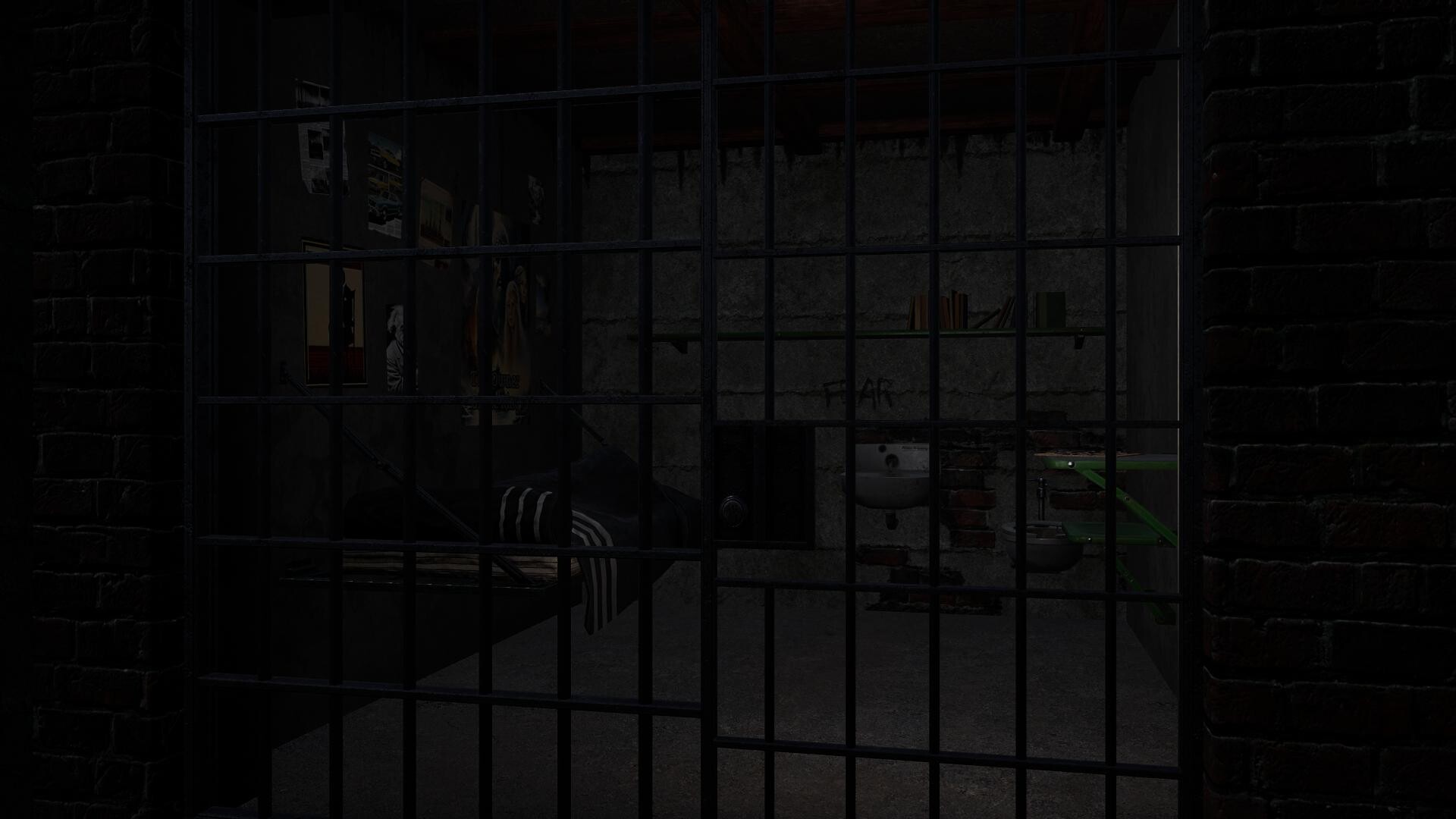
According to the official Steam description, Jin follows a lead to a decaying mansion cut off from the grid. Rooms look as if occupants vanished mid-routine, personal items are present but photographs and names are gone, and systems that appear restored yield encrypted documents, transfer records, and falsified identities. The estate reveals layers of a concealed operation — financial trails, masked movements, and people who arrived and left without conventional records — all of which frame Jin’s search for his sister.
When and where
Trace of the Villa launched on Steam on 28 May, 2026. It is listed on the Steam store as a PC indie title; the official Steam page and store widget are the primary places to wishlist, follow, or buy it on PC.
Why the theme matters
The game’s focus on erased identities and bureaucratic obfuscation gives the mystery a distinct flavor: it’s less about overt supernatural spectacle and more about hidden systems and human traces. That makes the emotional stakes personal — Jin’s search is threaded through documents, locked compartments, and the small artifacts of lives that were intentionally anonymized. For players who enjoy uncovering institutional rot or slow-unspooling conspiracies, the mansion acts as a forensic playground where each recovered manifest changes the context of the next discovery.
How you progress — reading clues without spoilers
Progression, as described in the official text, unfolds by restoring power and systems, which in turn reveal previously secured compartments and safes. Players solve environmental and investigative puzzles to access fragments of encrypted documentation and suspicious transfer records. The gameplay loop is therefore investigative: restore, unlock, read, cross-reference, and reframe. Expect a clue-driven rhythm where information gathering and pattern recognition move the narrative forward rather than combat or timed quick‑time sequences (the Steam categories note options like “Playable without Timed Input” and robust accessibility options such as subtitles and custom volume controls).

Player scenarios — who will get the most out of the experience
- Investigation-first players: If you like parsing manifests and connecting redacted threads into a coherent timeline, the mansion’s paperwork and encryption fragments are the primary reward.
- Atmosphere and slow-suspense fans: Readers who prefer tension built from absence — empty rooms, missing photographs, and the sense of an erasure — will find the game’s premise compelling.
- Accessibility-minded players: Steam categories list options such as Subtitle Options, Color Alternatives, and Custom Volume Controls, which help players tailor the experience.
- Players who want story context before spoilers: This guide keeps narrative beats high-level; the core appeal is assembling context yourself from recovered artifacts rather than being told everything up front.
How Trace of the Villa compares (editorial discovery)
Below is a comparison on editorial criteria — genre, atmosphere, puzzle focus, exploration style, story tone, and pacing — to help readers decide if this mansion mystery fits their tastes.
| Game | Genre / Mood | Puzzle focus | Exploration style | Story tone | Pacing / Player fit |
|---|---|---|---|---|---|
| Trace of the Villa | Action / Adventure / Indie — atmospheric mansion mystery | Clue-driven, documents, encrypted records, restoring systems | Contained estate investigation; forensic, room-by-room | Personal search, erased identities, institutional concealment | Slow-burn suspense for players who read and piece together context |
| Inscryption | Adventure / Indie / Strategy — inky card-based horror | Deckbuilding intertwined with escape-room style puzzles | Layered meta-escape structure; less conventional spatial exploration | Psychological, uncanny, meta-narrative | Players who like emergent secrets and genre-mixing surprises |
| Outer Wilds | Action / Adventure — open-world cosmic mystery | Environmental puzzles across a solar system and a time loop | Open, non-linear exploration across celestial bodies | Curiosity-driven, existential mystery | Explorers who enjoy nonlinear discovery and puzzle synthesis |
| Journey | Adventure / Indie — contemplative, visual exploration | Minimalist puzzles tied to traversal and environment | Vast, symbolic landscapes and progression-driven discovery | Mystical, wordless emotional arc | Players seeking emotional resonance and simple mechanics |
| The Forgotten City |
Leave a Reply