
Trace of the Villa — an inspection-heavy mansion mystery built around object logic and clue chains
Trace of the Villa places you in a decaying, off-grid mansion where piecing together manifests, encrypted fragments and restored systems gradually reconstruct a disturbing timeline. Released 28 May, 2026 by Steadyturtle Co., Ltd., it’s a single-player, story-rich adventure that rewards slow, methodical reading of environments and chained clues.

Who this is for
If you prefer locked-room thinking, layered clue chains and puzzles that arise from reading objects and scenes rather than from abstract minigames, Trace of the Villa is aimed at you. The game fits players who like slow-burn suspense, narrative puzzle design and environmental storytelling: people who will re-check a shelf, revisit a dark corridor and cross-reference a ledger with a computer terminal to make forward progress.
What the game is
Official short description: “Jin has spent years searching for his missing sister, pursuing leads that took him to a remote, decaying mansion where he recovered manifests and hints that indicate his sister may still be alive, somewhere at the end of the trail he is about to follow.” The plain Steam description expands this: the mansion’s systems can be restored, locked compartments open, and safes yield fragments of encrypted documents and suspicious transfer records — narrative beats that create chains of evidence rather than stand-alone puzzles.
When and where
Trace of the Villa released on 28 May, 2026 on Steam for PC. It is listed on Steam as a single-player title with accessibility options such as color alternatives, custom volume controls and subtitle options.
Why the theme and approach matter
A mansion whose occupants appear to have been “erased” pushes the game toward inspection-driven mechanics: absence becomes a clue. When a world is staged to look lived-in but scrubbed of names and photos, the only way to reconstruct history is to read objects as evidence. That design choice foregrounds object logic — the idea that physical props, wiring, ledger entries and placement patterns are the primary language the game uses to communicate next steps and plot beats.
How progression works — reading the environment and chaining clues
Trace of the Villa’s progression is built around three editorial pillars: inspection, inference, and restoration. You inspect rooms and props for irregularities; you infer meaning by linking items (a receipt to a safe code, a wiring diagram to a power room); and you restore systems or unlock compartments so the environment itself yields new information. That creates clue chains where one solved element unlocks a new layer of environmental detail — not simply a new puzzle box but a new clue node in a growing timeline.

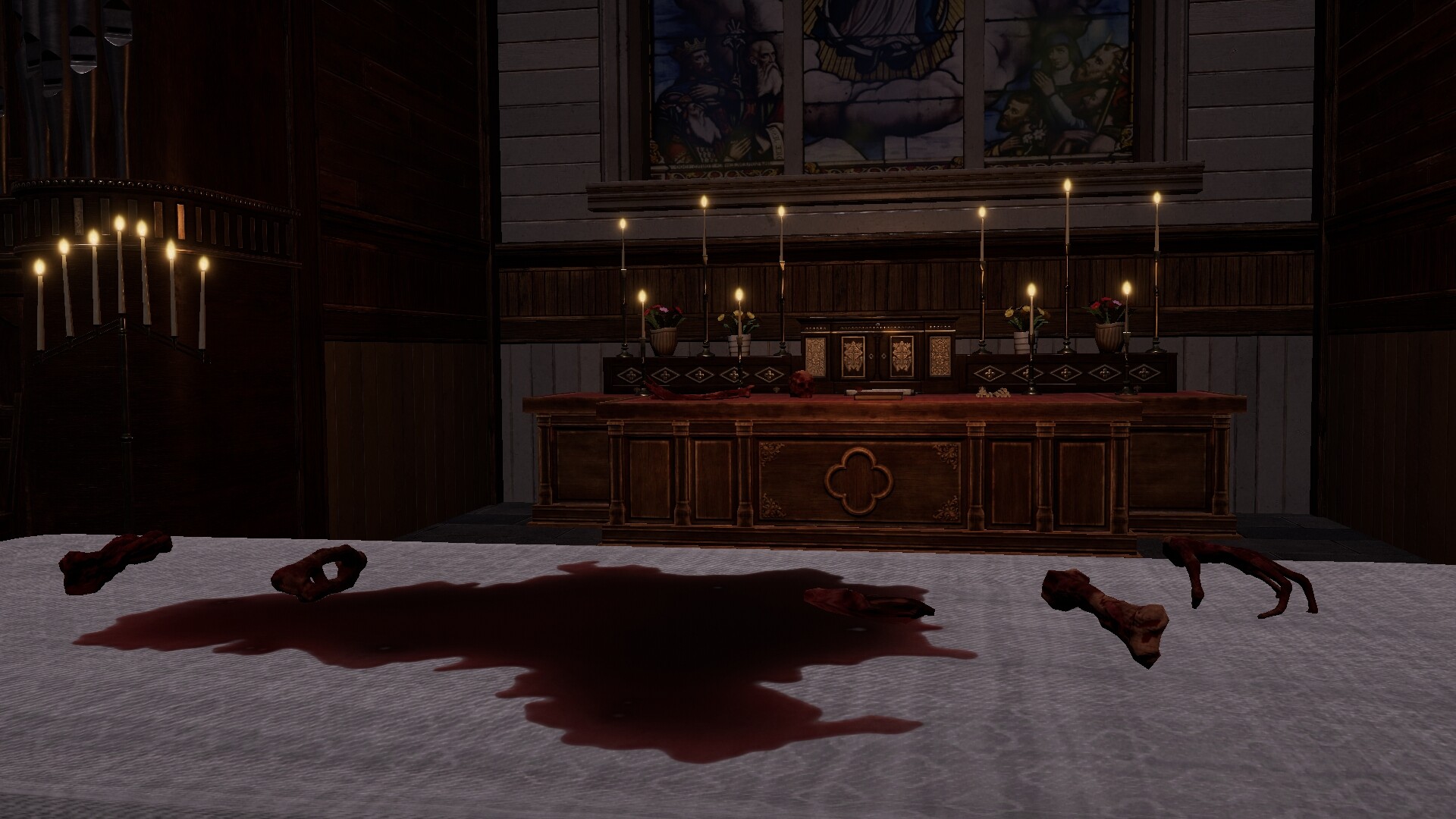
Compact facts — Trace of the Villa
| Title | Trace of the Villa |
|---|---|
| Steam AppID | 3483660 |
| Release date | 28 May, 2026 |
| Developer / Publisher | Steadyturtle Co., Ltd. |
| Genres | Action, Adventure, Indie |
| Categories | Single-player; Color Alternatives; Custom Volume Controls; Playable without Timed Input; Subtitle Options; Family Sharing |
| Official short description | Jin has spent years searching for his missing sister…a remote, decaying mansion where he recovered manifests and hints that indicate his sister may still be alive. |
How Trace of the Villa compares to nearby mystery/puzzle games
Below is a compact editorial comparison on lawful criteria: core gameplay, puzzle focus, exploration style, and pacing. These entries are intended to help you decide whether Trace of the Villa fits your tastes relative to similar PC puzzle experiences.
| Title | Core gameplay | Puzzle focus | Exploration style | Pacing / Player fit |
|---|---|---|---|---|
| Trace of the Villa | Single-player narrative investigation in a decaying mansion | Object logic, environmental puzzles, chained clues; restoring systems to reveal records | Inspection-heavy, scene-reading, slow-access progression as systems unlock | Slow-burn; for players who like piecing evidence and reading context across rooms |
| The Room | Intimate tactile puzzles focused on a single locked safe/box | Mechanical puzzle boxes, tactile object manipulation | Contained, puzzle-box focused exploration | Focused and puzzle-centric; ideal for players who like intricate physical puzzles |
| The Room Two | Expanded mechanical puzzles across a broader set of scenes | Mechanical and sequence puzzles with a mysterious narrative thread | Still focused on distinct puzzle chambers but with wider scene variety | Medium pace; for players who enjoy staged, handcrafted puzzle progression |
| Escape Simulator | Highly interactive escape-room simulation with mod support | Physics-driven interaction, item manipulation, community-made rooms | Room-by-room escape scenarios; supports cooperative play | Variable pace; suits players who prefer tactile discovery and sandbox interaction |
Player scenarios — who should wishlist or skip
- Wishlist if: you enjoy methodical evidence-gathering, reading objects as plot devices, and the satisfaction of chaining small discoveries into a larger narrative.
- Consider skipping if: you prefer fast action, high-octane puzzles, or primarily physics-based interaction and multiplayer escape-room chaos.
- Good next step: if you like games that reward returning to previous scenes with new tools or information, Trace of the Villa’s restoration-driven reveal mechanics will likely appeal.
YouTube discovery
Search for trailers and gameplay using this YouTube discovery path (not verified as an official channel): Trace of the Villa trailers & gameplay on YouTube.
View Trace of the Villa on Steam
Disclaimer: Referenced titles and trademarks belong to their respective owners. Comparisons above are editorial discovery only and do not imply endorsement or official association.
Leave a Reply