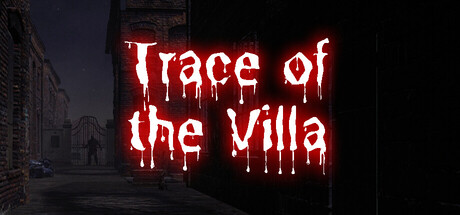
Trace of the Villa — why quiet dread and uncertainty matter more than loud shocks
Trace of the Villa places you in a decaying mansion where the silence does the heavy lifting: slow, careful investigation replaces jump-scare spectacle, and the game asks you to read absences as loudly as it reads evidence. If you prefer atmospheric mystery adventure and psychological investigation that leans on environmental storytelling, this release is aimed squarely at that sensibility.

Who, what, when, where, why, how — the concise facts
| Title | Trace of the Villa |
|---|---|
| Release date | 28 May, 2026 |
| Developer / Publisher | Steadyturtle Co., Ltd. |
| Genres | Action, Adventure, Indie |
| Steam categories | Single-player; Color Alternatives; Custom Volume Controls; Playable without Timed Input; Subtitle Options; Family Sharing |
| Platform / Store | Steam (PC) |
| Premise (official) | Jin searches for his missing sister in a remote, decaying mansion and uncovers manifests and hints that she may still be alive at the end of the trail. |
What the game actually is
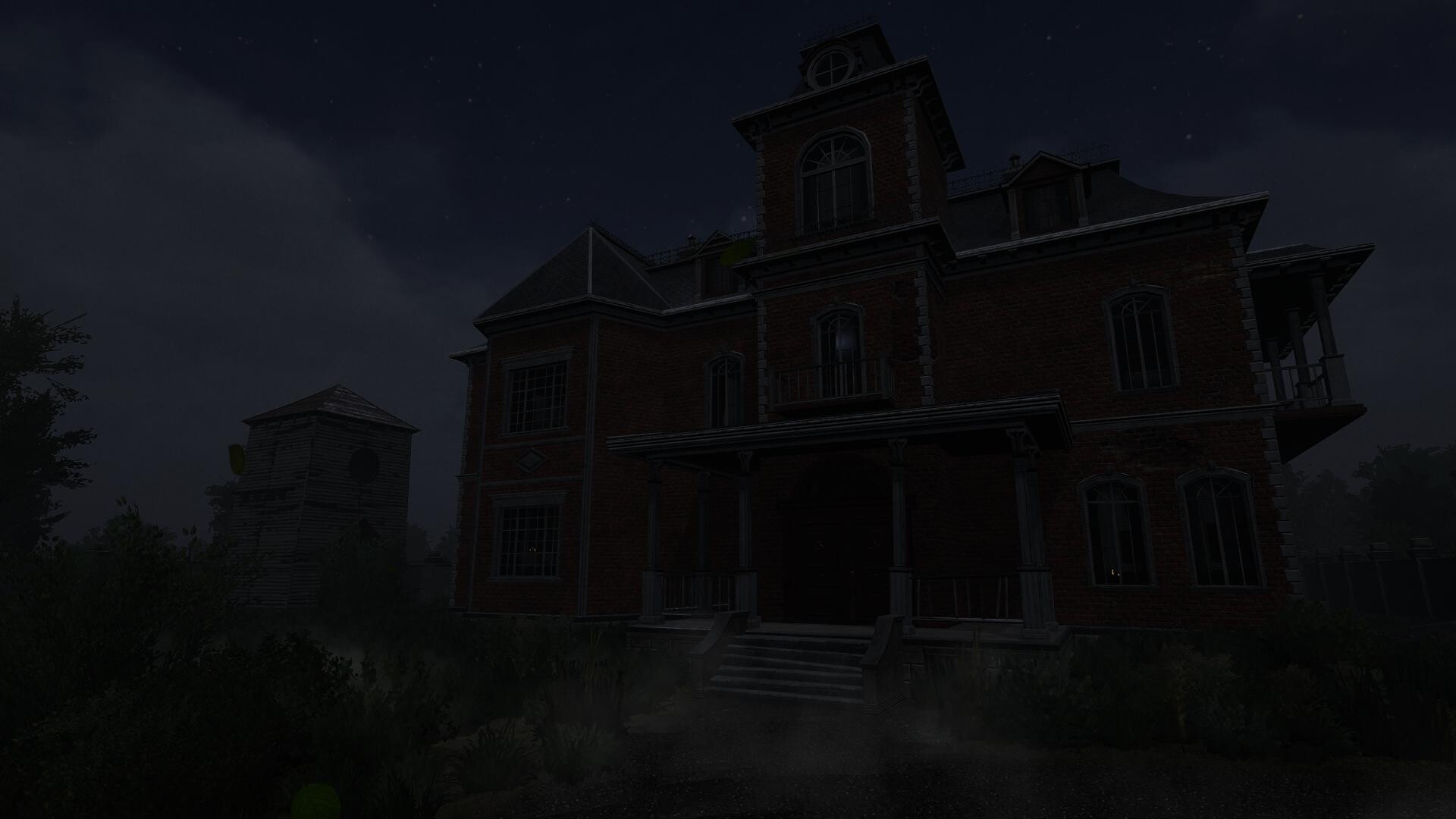
On Steam the official description frames Trace of the Villa as a story-rich, clue-driven exploration through a deliberately forgotten property. You investigate a mansion where rooms feel “erased” rather than empty: furniture left mid-routine, locked doors, personal items without names, and systems that return to life as you restore power. The design emphasis is environmental storytelling and piecing together a concealed operation from fragments — safes, encrypted documents, transfer records, and hidden compartments are all part of the discovery loop described on the store page.
Who should wishlist or buy this
- Players who favor slow-burn suspense and atmospheric mystery adventure over constant shocks.
- Exploration-first players who enjoy environmental storytelling and clue-driven progression.
- Those who prefer puzzles and investigative pacing where restoring systems and uncovering records guide the narrative.
- Gamers who want a single-player, story-focused experience with accessibility options like subtitles and custom volume controls.
How progression and discovery work (based on the official store text)
The Steam description explains progression as investigative: Jin restores power, brings systems back online, and uncovers sealed spaces. That process yields fragments — encrypted documents, suspicious transfer records, manifests — and each solved puzzle or unlocked device reveals another layer of the concealed operation. The mechanics implied by that text suggest a loop of exploration → restore/repair → decrypt/solve → interpret, where uncertainty and the gaps between evidence are a core part of the experience.

Why quiet dread and uncertainty matter here
Psychological horror rooted in uncertainty depends on the player filling silence with possibilities. The official framing of Trace of the Villa — a mansion that appears “erased,” identities removed, and financial trails that lead nowhere — sets up a steady tension: the unknown isn’t a single monster behind a door, it’s a web of deliberate erasures. That design choice shifts emotional work from abrupt scares to sustained unease, which rewards patient attention and close reading of the environment.
Specific player scenarios — will this suit you?
- The patient investigator: You enjoy methodically piecing together a timeline from notes, safes, and system logs. Expect slow reveals and cumulative dread.
- The atmospheric immersion fan: You value sound, lighting, and set dressing that imply narrative without spelling everything out. The mansion’s “erased” details are the hook.
- The puzzle-and-logic player: If you like restoring power, unlocking compartments, and using found evidence to decrypt the next step, the game’s official description indicates that loop will be central.
- The jump-scare seeker: If you only want high-frequency shocks, the store text suggests this is more about suspense and mystery than non-stop frights.
How Trace of the Villa compares to nearby psychological puzzle/horror titles
| Title | Genre / Tone | Exploration / Puzzle Focus | Pacing / Player Fit |
|---|---|---|---|
| Trace of the Villa | Action / Adventure / Indie — mansion mystery, psychological investigation (official) | Clue-driven exploration, restoring systems, unlocking compartments and documents (official) | Slow-burn; fits players who prefer environmental storytelling and methodical discovery |
| Amnesia: The Dark Descent | Action / Adventure / Indie — immersive survival horror (topic research) | First-person immersion with survival elements; exploration and discovery are central | Intense immersion and dread; suits players who want high-tension immersion across long form |
| SOMA | Action / Adventure / Indie — sci-fi horror, existential tone (topic research) | Exploration under pressure with strong narrative focus; philosophical questions central | Thoughtful pacing with moments of high tension; fits those who want narrative depth and atmosphere |
| Layers of Fear (2016) | Adventure / Indie — first-person psychological horror in a Victorian mansion (topic research) | Environmental storytelling, shifting spaces, and story-focused puzzles | Psychological, surreal pacing; fits players who like house-as-psychological-space experiences |
P
Steam pageView Trace of the Villa on Steam YouTube discoveryFor trailer and gameplay discovery, use YouTube search rather than relying on unverified embeds: Find Trace of the Villa trailer and gameplay searches on YouTube. CommentsMore posts |
Leave a Reply