
Trace of the Villa — an atmospheric mansion mystery built for locked‑room thinkers
Trace of the Villa drops you into a remote, decaying mansion where every room feels like a clipped memory and every unlocked drawer extends the trail. Developed and published by Steadyturtle Co., Ltd., this 28 May, 2026 Steam release leans on environmental storytelling and chained clues rather than combat-heavy spectacle.

| Title | Trace of the Villa |
|---|---|
| Release date | 28 May, 2026 |
| Developer / Publisher | Steadyturtle Co., Ltd. |
| Genres | Action, Adventure, Indie |
| Categories on Steam | Single‑player, Color Alternatives, Custom Volume Controls, Playable without Timed Input, Subtitle Options, Family Sharing |
| Steam AppID | 3483660 |
Who is Trace of the Villa for?
Players who enjoy slow‑burn, story‑rich adventures and puzzle sequences that reward careful reading of the environment will be most satisfied. If you prefer clue chains, restoration of systems (power, safes, hidden compartments), and narrative progression tied to puzzle-solving rather than twitch reflexes, this is oriented toward you. The Steam categories confirm single‑player focus and accessibility options (subtitles, color alternatives), which suits players who want an unhurried, primarily solo investigation.
What the game actually is
Officially: “Jin has spent years searching for his missing sister, pursuing leads that took him to a remote, decaying mansion where he recovered manifests and hints that indicate his sister may still be alive, somewhere at the end of the trail he is about to follow.” The mansion is staged as a deliberately forgotten property—furnished, yet erased of personal identifiers—so the gameplay emphasis is environmental storytelling and progressively revealed documentation (safes, encrypted fragments, secured systems) rather than combat set pieces.
When and where — Steam availability
Trace of the Villa released on 28 May, 2026 and appears on Steam as an indie Action/Adventure title. The store page lists Steadyturtle Co., Ltd. as both developer and publisher and includes accessibility and comfort options under the game’s categories.
Why the mansion setting matters
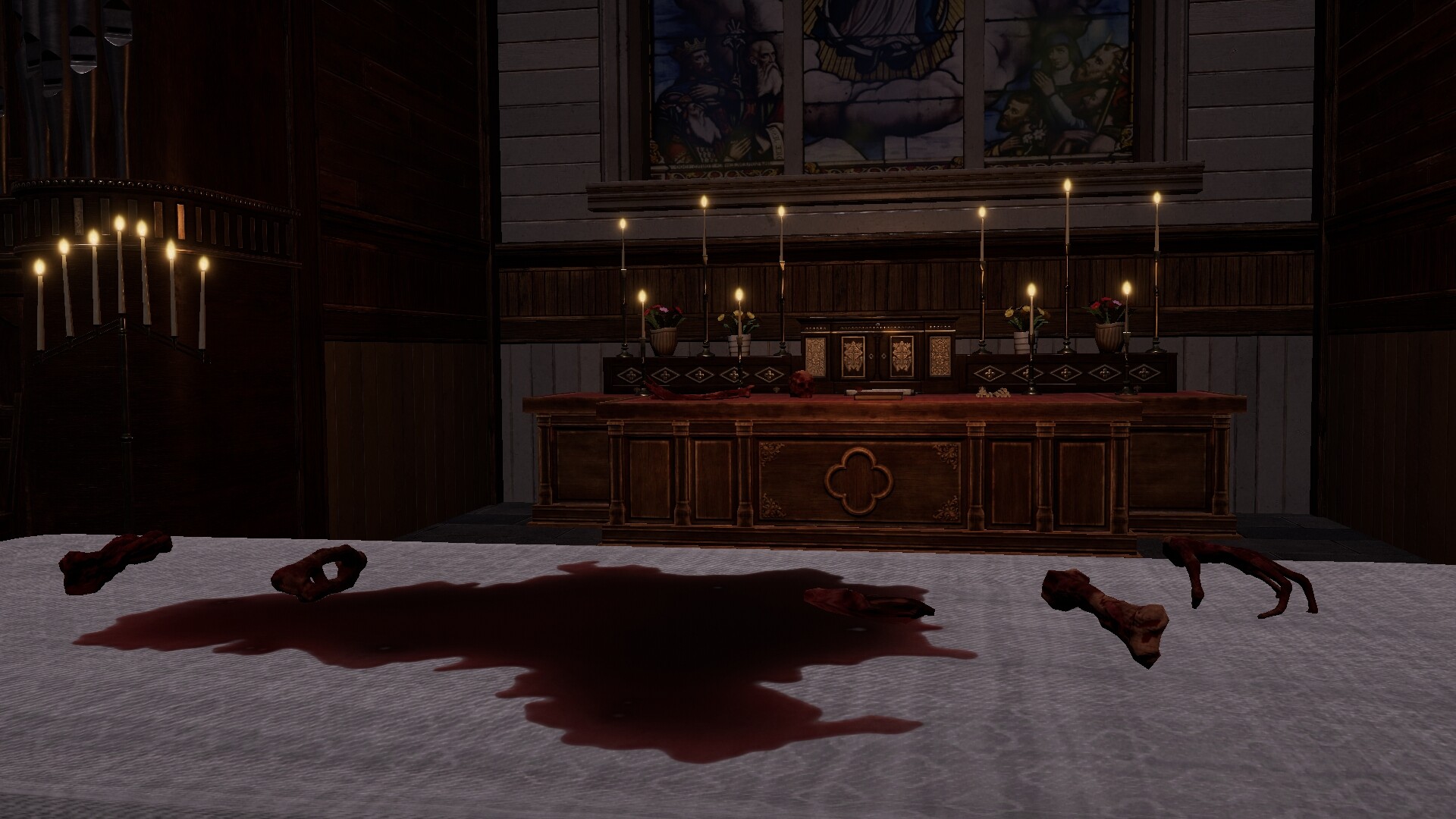
A mansion mystery naturally supports locked‑room thinking: contained spaces, layered secrets, and logical puzzle chains. Trace of the Villa uses those constraints to make environmental detail speak—the absence of photographs or names becomes a clue itself. That framing emphasizes investigative patience and pattern recognition: the setting isn’t just atmospheric backdrop, it’s an information architecture the player must read and reassemble.
How you progress: clue chains and environmental reading
According to the official description, restoring estate systems (power, locked mechanisms) unlocks new evidence: hidden compartments, safes, and fragments of encrypted documents. Progression is therefore chained—solve or restore X to access Y—so success hinges on careful observation (notes, manifests, suspicious transfer records) and sequence logic rather than random item‑combining or high‑speed inputs. The Steam category “Playable without Timed Input” underlines a slower, contemplative pace.

Specific player scenarios — will you like it?
- If you love methodical puzzle chains: You’ll appreciate the mansion’s layered locks and documents that require cross‑referencing to decode timelines and identities.
- If you prize atmosphere and narrative tone: The erased‑identity motif—rooms left mid‑routine, missing photographs—supports a psychological investigation feel rather than jump scares.
- If you prefer interactive physics and object fiddling: This may feel more constrained than highly interactive escape room sims; Trace of the Villa skews toward restoring and reading rather than physics puzzles.
- If you want multiplayer or workshop content: The Steam listing shows single‑player focus; don’t expect co‑op or user‑created levels listed in the categories.
How it compares — brief editorial table
| Title | Puzzle focus | Atmosphere / tone | Who should consider it |
|---|---|---|---|
| Trace of the Villa (Steadyturtle) | Clue chains, restoring systems, safe unlocking, environmental document puzzles. | Slow‑burn, decaying mansion, psychological investigation. | Players who like story‑driven, observational puzzles and single‑player pace. |
| The Room (2014) | Mechanical safes and tactile puzzles focused on a single locked object. | Eerie, tightly contained puzzle box tone (attic/safe inverted‑mystery). | Players who enjoy single‑object, tightly designed puzzle encounters. |
Leave a Reply