
Trace of the Villa — how clues, objects, and story puzzles build a case
Trace of the Villa frames its puzzles as evidence: every recovered manifest, locked compartment and powered terminal reads like an exhibit you must interpret to reconstruct what happened. The result is an atmospheric mystery adventure that asks players to treat object logic and narrative consistency as tools for investigation rather than mere gatekeeping.

What Trace of the Villa is
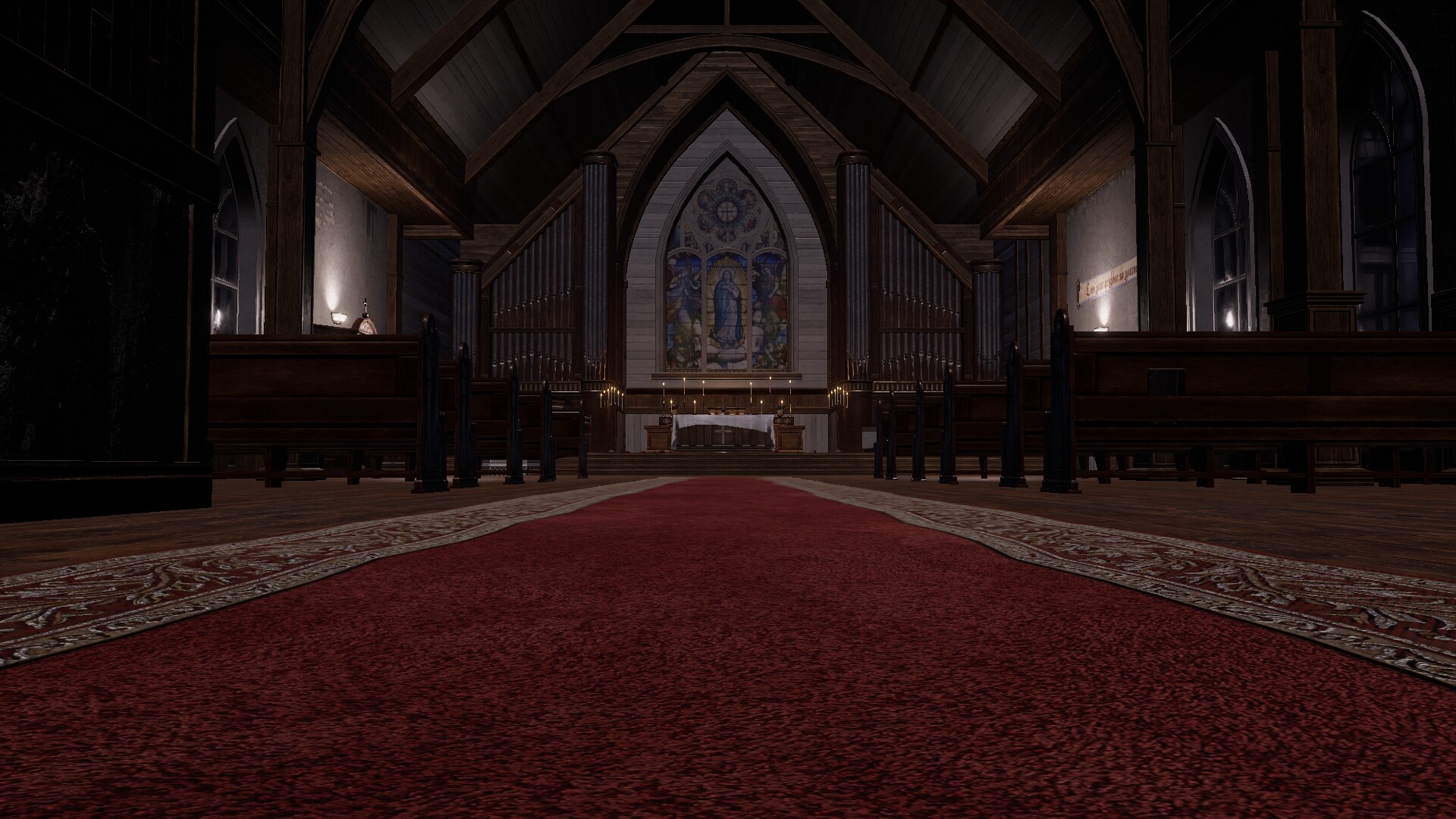
Trace of the Villa is a Steam release from developer/publisher Steadyturtle Co., Ltd., classified on Steam under Action, Adventure, Indie. According to the official short description, you play as Jin, a man who has spent years searching for his missing sister and follows a lead to a remote, decaying mansion where recovered manifests and hints indicate his sister may still be alive. The mansion’s rooms feel “erased” rather than simply abandoned — puzzles and restored systems reveal financial transfers, falsified identities, and other fragments of a concealed operation as you progress.
When and where
Trace of the Villa launched on Steam on 28 May, 2026. It is presented as a single-player PC experience on Steam and lists Steam-friendly options such as Color Alternatives, Custom Volume Controls, Playable without Timed Input, Subtitle Options, and Family Sharing.
Who this is for
- Players who prefer clue-driven exploration and environmental storytelling over reflex-based action. The game emphasizes reading context and assembling timelines from found documents and objects.
- Fans of slow-burn mansion mysteries and psychological investigation narratives who want puzzles that feel like investigative labor rather than abstract minigames.
- PC players who value accessibility options (subtitles, no timed input) while still wanting a cinematic, atmospheric adventure.
Why the puzzle-as-evidence approach matters
Designing puzzles as pieces of evidence changes the player’s role. Instead of solving isolated riddles to unlock the next corridor, you interpret objects as testimony: a financial ledger suggests motive, a powered terminal reveals chronology, a manifest ties a name to a time and place. That narrative logic is important for immersion — when puzzle solutions fit the story’s internal rules, the mansion’s revelations feel earned. Trace of the Villa’s official pitch emphasizes this process: restoring power brings systems back online, safes yield encrypted documents, and each solved puzzle “uncovers another layer of a carefully concealed operation.”
How you read clues and progress
Expect a mix of environmental puzzles, object inspection, and systems you reactivate to reveal new information. The official description highlights restoring estate power and unlocking secured compartments; those mechanics suggest a pacing where investigation alternates between close reading of paper/digital evidence and mechanical problem solving to access the next set of clues.

Compact facts
| Title | Trace of the Villa |
|---|---|
| Steam AppID | 3483660 |
| Release date | 28 May, 2026 |
| Developer / Publisher | Steadyturtle Co., Ltd. |
| Genres | Action · Adventure · Indie |
| Categories / Notable options | Single-player; Color Alternatives; Custom Volume Controls; Playable without Timed Input; Subtitle Options; Family Sharing |
| Premise | Jin searches a decaying, off-grid mansion for traces of his missing sister; recovered manifests and systems suggest a wider, secretive operation. |
How it stacks up: a focused comparison
Below is a concise editorial comparison with three puzzle/adventure titles that often surface in discovery for clue-driven players. This is an editorial mapping of genre, atmosphere, puzzle focus, exploration style, story tone, pacing, and recommended player fit — not a ranking.
| Title | Genre / Release | Puzzle focus | Exploration style | Story tone & pacing | Player fit |
|---|---|---|---|---|---|
| Trace of the Villa | Action / Adventure / Indie — 28 May, 2026 | Clues-as-evidence: manifests, encrypted docs, powered systems | Single-player mansion exploration; restore systems to reveal new areas | Slow-burn, investigative; narrative logic ties puzzles to plot | Players who want environmental storytelling + investigative mechanics |
| The Room | Adventure / Indie — 28 Jul, 2014 | Tactile, mechanical puzzles focused on a single device (safe/box) | Set-piece, contained rooms with layered physical contraptions | Mystical, curiosity-driven; compact pacing around discrete puzzle boxes | Players who enjoy tactile object puzzles and short, dense encounters |
| Escape Simulator | Adventure / Casual / Indie — 19 Oct, 2021 | Highly interactive object puzzles; communal or solo escape-room mechanics | Room-by-room escape scenarios; heavy on interactivity and manipulation | Fast to moderate pacing; puzzle variety with sandbox interaction | Players who like interactive manipulation, co-op options, and varied rooms |
| Unpacking | Casual / Indie / Simulation — 1 Nov, 2021 | Nontraditional puzzle: item placement and inference about life events | Domestic spaces; storytelling through object arrangement | Zen, reflective pacing; story emerges from possessions rather than documents | Players who prefer quiet, narrative inference and design-focused gameplay |
Player scenarios — who should wishlist Trace of the Villa
- You like methodical detective work: If you enjoy assembling timelines from paper and digital evidence, the game’s recovered manifests and encrypted documents will reward patience.
- You prefer narrative logic over contrived puzzles: The game ties solutions to story beats (restoring power, unlocking compartments), which suits players wanting puzzles that make narrative sense.
- You want accessibility with atmosphere: Steam categories list options like subtitles and no timed input — useful for players who want immersive pacing without stress mechanics.
- You don’t want pure box puzzles: If you’re less interested in single-device mechanical riddles (The Room-style) and want broader environmental investigation, Trace of the Villa leans toward the latter.
YouTube discovery
If you want to see trailers or gameplay snippets, search for Trace of the Villa trailers and gameplay on YouTube: Trace of the Villa trailer & gameplay (YouTube search). Note: use the search path as a discovery tool — the store data does not verify a particular video as official.
Visit Trace of the Villa on Steam
Leave a Reply