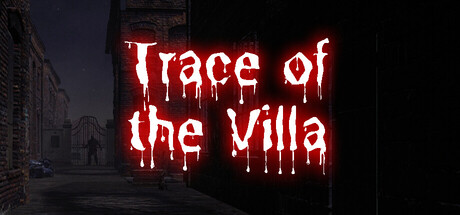
Trace of the Villa: why quiet dread and an empty mansion matter more than jump scares
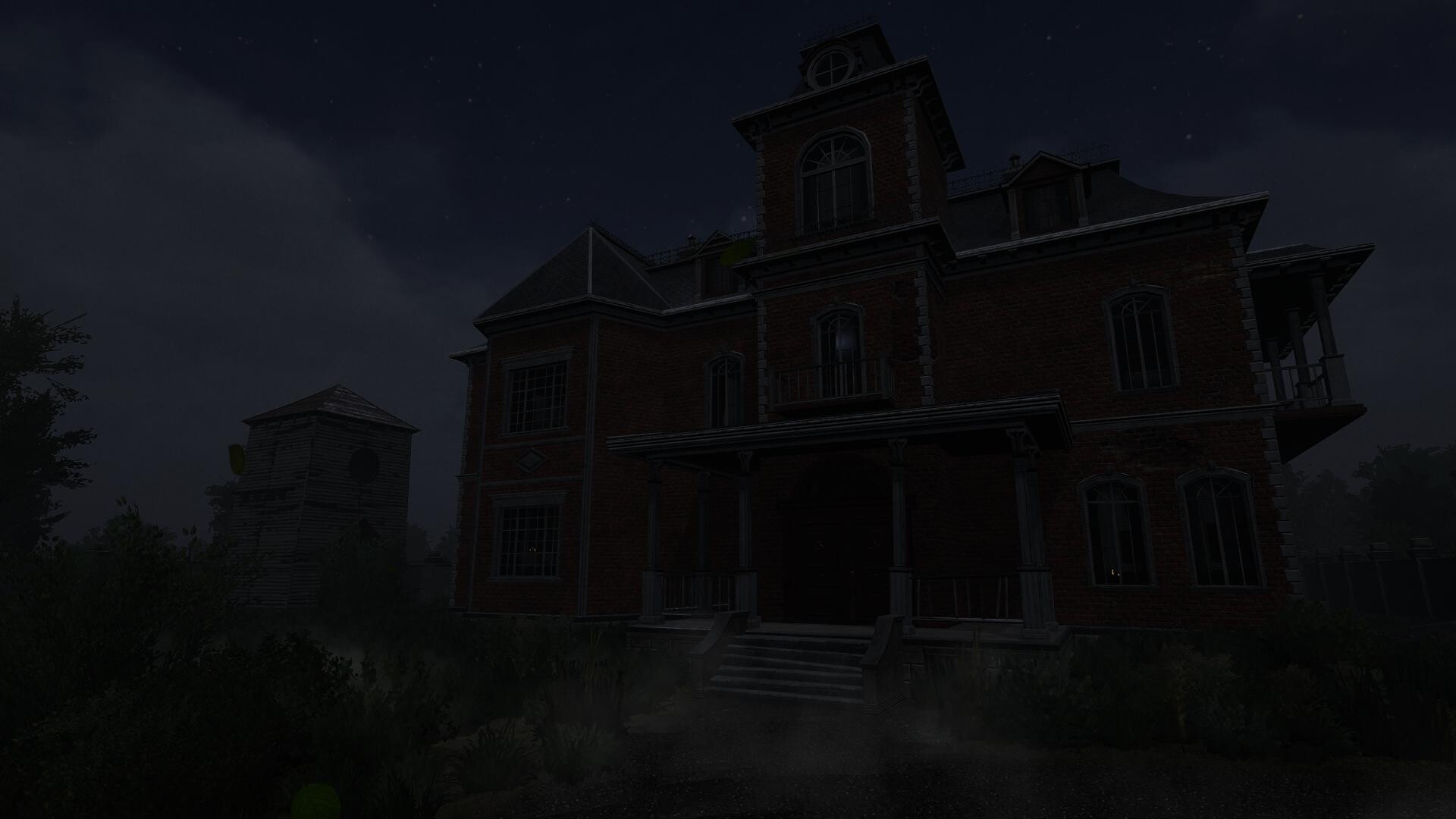
Trace of the Villa sets Jin’s private investigation against a remote, decaying mansion where silence and absence act like characters of their own. Released on 28 May, 2026 by Steadyturtle Co., Ltd., the game trades spectacle for slow-burn suspense: the tension comes from what the house doesn’t say as much as from what it finally reveals.

Who, what, when, and where
Who: A single-player, story-driven experience for players who prefer atmospheric mystery adventure, psychological investigation, and environmental storytelling over cheap shocks. The protagonist named in the Steam description is Jin, searching for his missing sister.
What: Trace of the Villa is an Action / Adventure / Indie title that unfolds as a clue-driven exploration inside a deliberately forgotten estate. The official store text emphasizes manifests, hints, encrypted documents, safes, and the restoration of estate systems as primary ways the story surfaces.
When/Where: Available on Steam for PC; the release date is 28 May, 2026. The Steam page lists developer and publisher as Steadyturtle Co., Ltd. Categories include Single-player, Color Alternatives, Custom Volume Controls, Playable without Timed Input, Subtitle Options, and Family Sharing.
How the game communicates tension
Trace of the Villa relies on absence as atmosphere. Rooms appear intact yet emptied of identity—furnished but without photographs or names—creating a cognitive blank space that players naturally try to fill. According to the official description, when Jin restores power, secured systems come back online, hidden compartments unlock, and safes yield fragments of encrypted documents and suspicious transfer records. That sequence turns exploration into a methodical psychological investigation: tension is built by reactivating the house and watching it hand over evidence, piece by piece.
This model does two things for emotional pacing. First, it rewards patient observation: small discoveries compound into an unnerving pattern of arrivals without records and departures without witnesses. Second, it replaces reflexive fear with anticipatory dread—players feel watched not because something jumps out, but because the environment suggests deliberate erasure and control.
Why quiet uncertainty matters in psychological horror
In many modern horror titles, loud triggers substitute for narrative architecture. Trace of the Villa instead treats uncertainty as the principal mechanism of fright: an empty chair, a locked room, a missing photograph all build an interpretive burden on the player. That burden—asking who these people were, why their identities were removed, and what the timestamps on transfers hide—stays with you outside of scripted moments.
Psychologically, this taps into pattern-seeking and agency. When a game gives only fragments, players supply the rest. That gap between what is shown and what is imagined is where unease grows, and the mansion’s slow clarifications are more unsettling than a sudden scare because they revise your assumptions about the space and your role in it.

How you progress: reading the house
Your primary tools are attention and deduction. The official description highlights restored power bringing systems back online, hidden compartments opening, safes yielding encrypted fragments, and manifests or hints pointing toward Jin’s missing sister. Progression is therefore puzzle-led and narrative-forward: you restore systems or solve environmental puzzles to unlock more evidence. The categories listed on Steam—such as “Playable without Timed Input” and “Subtitle Options”—also suggest a measured, accessible pace rather than twitch-driven encounters.
Who should wishlist Trace of the Villa?
- Players who prefer slow-burn suspense and atmosphere over loud jump scares.
- Fans of environmental storytelling and games that reward careful reading of spaces and documents.
- People who enjoy narrative puzzle design and clue-driven exploration rather than constant action set-pieces.
- Anyone who appreciates a mystery built around erasure of identity, institutional secrecy, and the psychology of empty rooms.
Concrete player scenarios
Scenario A — The methodical explorer: You like to examine drawers, read manifests, and annotate timelines. Trace of the Villa’s structure—restoring power, unlocking systems, following leads—fits your playstyle because it makes discovery feel earned.
Scenario B — The slow-suspense enthusiast: You enjoy dread that accumulates. If you find sudden jump scares grating, this mansion’s withheld history and gradual revelations will produce sustained unease instead of spikes of panic.
Scenario C — The puzzle-minded detective: You want a narrative that advances when you piece together records and encrypted fragments. The Steam description promises financial trails, falsified identities, and controlled movements, which frame each puzzle as investigative progress rather than abstract challenge.
Compact facts: Trace of the Villa
| Title | Trace of the Villa |
|---|---|
| Steam AppID | 3483660 |
| Developer / Publisher | Steadyturtle Co., Ltd. |
| Release Date | 28 May, 2026 |
| Genres | Action, Adventure, Indie |
| Key Categories | Single-player; Color Alternatives; Custom Volume Controls; Playable without Timed Input; Subtitle Options; Family Sharing |
How it compares to nearby titles
Below is a practical editorial comparison on mood, exploration focus, puzzle emphasis, and pacing—not a ranking.
| Title | Release Date | Mood / Atmosphere | Exploration / Gameplay Focus | Pacing |
|---|---|---|---|---|
| Trace of the Villa | 28 May, 2026 | Quiet dread, institutional erasure, mansion mystery | Clue-driven exploration, restoring systems, decoding documents | Slow-burn, methodical |
| Amnesia: The Dark Descent | 8 Sep, 2010 | Immersive dread with supernatural horror | First-person survival and immersion, emphasis on helplessness | Gradually escalating tension with survival elements |
| SOMA | 21 Sep, 2015 | Sci-fi existential horror | Exploration and narrative questioning of identity and consciousness | Slow, contemplative with tense set-pieces |
| Layers of Fear (2016) | 15 Feb, 2016 | Surreal, painterly madness in a Victorian mansion | Story-driven first-person exploration with shifting environments | Psychological and often disorienting pacing |
| Poppy Playtime | 12 Oct, 2021 | Playful-yet-creepy toy-factory horror | Puzzle-adventure with utility gadgets (GrabPack) and chase moments | More action and moment-to-moment spikes than slow dread |
Use this table to decide: if you prioritize quiet psychological investigation and narrative puzzle design, Trace of the Villa sits closer to SOMA and Layers of Fear in tone than to chase-oriented indie horrors.
Want to watch footage?
If you prefer to preview a trailer or gameplay clips, search YouTube for Trace of
Steam page
View Trace of the Villa on Steam
YouTube discovery
For trailer and gameplay discovery, use YouTube search rather than relying on unverified embeds: Find Trace of the Villa trailer and gameplay searches on YouTube.
Leave a Reply