
Trace of the Villa and the Power of Quiet Dread
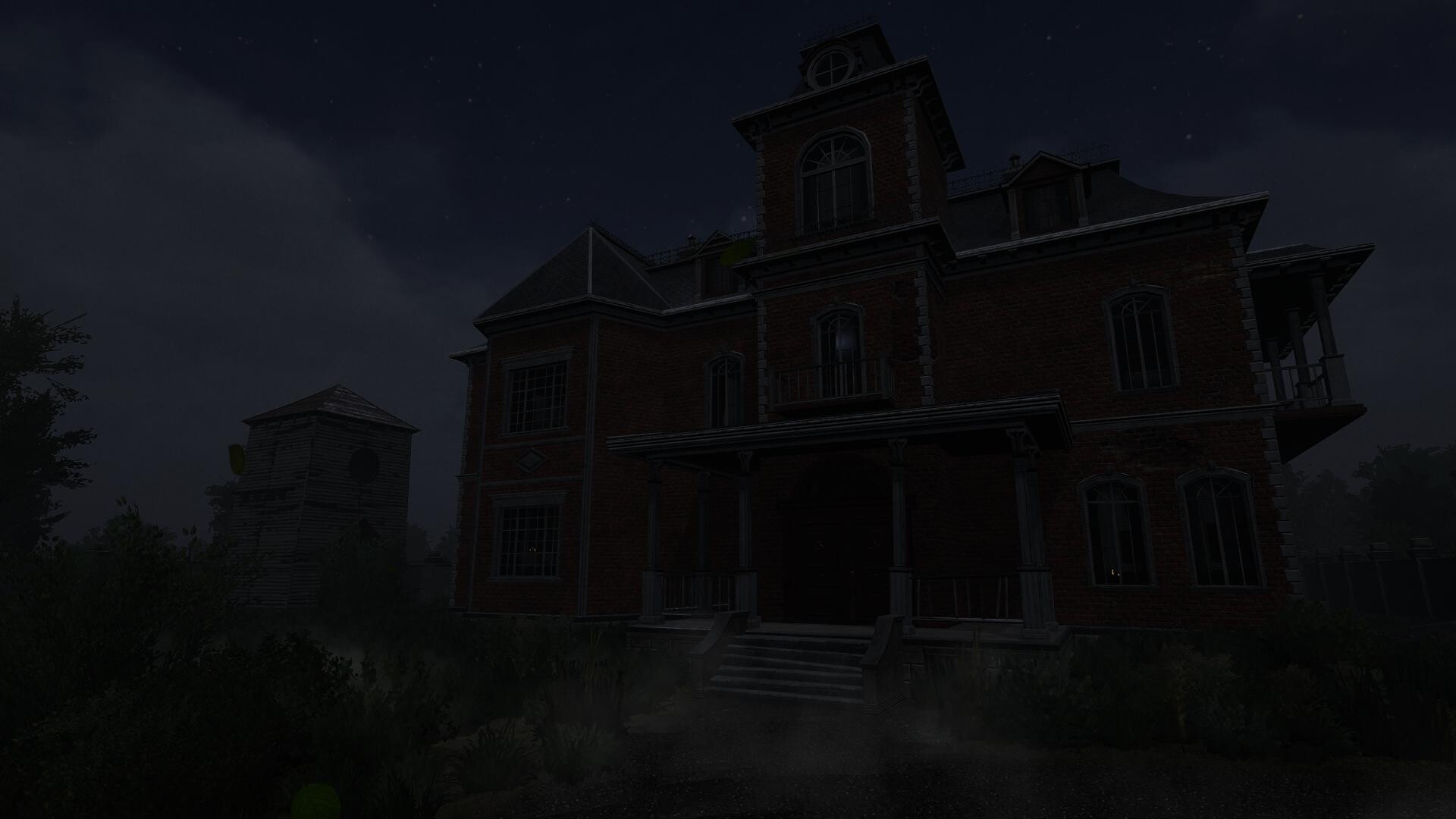
Trace of the Villa (Steadyturtle Co., Ltd.) trades loud shocks for slow-burn psychological pressure: you play Jin, a man who follows a thin trail of manifests and hints into a remote, decaying mansion where identities and records have been stripped away. Released on 28 May, 2026 on Steam, the game leans into an atmosphere of erasure—locked doors, rooms frozen mid-routine, and systems that only reveal their secrets once you restore power.

Who | Who should wishlist this?
Players who prefer atmospheric mystery adventure and psychological investigation over jump scares: if you enjoy clue-driven exploration, environmental storytelling, and puzzle-led progress inside a single-player, story-rich adventure, this is aimed at you. The Steam page lists Trace of the Villa under Action, Adventure, Indie and tags it as Single-player with accessibility options like color alternatives, custom volume controls, subtitle options, and “playable without timed input.”
What | What the game is
Trace of the Villa places Jin in a deliberately forgotten mansion where evidence suggests people were moved through under strict control. The official description emphasizes a house that feels “less abandoned than erased”: furnished rooms, locked doors hiding secrets, and personal belongings with no names or histories. Restoring power is a central gameplay pivot—secured systems come back online, hidden compartments unlock, and safes yield encrypted fragments and suspicious transfer records. The narrative unfolds through recovered manifests and puzzle solutions rather than explicit exposition.
When and Where | Release and Steam context
Release date: 28 May, 2026. Developer and publisher: Steadyturtle Co., Ltd. Available on Steam for PC; the store page contains header art, screenshots, and a trailer search path for discovery. The Steam listing presents a visual-first pitch and highlights options that help players who prefer less reflex-driven gameplay.
Why | Why quiet tension and uncertainty matter
Psychologically, emptiness is an active engine of dread. An empty mansion with everyday objects left behind triggers the brain’s pattern-seeking: we want to resolve anomalies—why are photographs missing? Why were doors locked? Trace of the Villa weaponizes that curiosity. Rather than startling you with sudden events, the game uses the slow accrual of unsettling details to raise stakes. Each mundane discovery—an unreadable ledger, an encrypted fragment, a flickering light—creates the impression that something larger is being concealed, and that uncertainty becomes the true antagonist.
How | How you play and progress
Progression is investigative and systems-based. You explore rooms, recover manifests and fragments, restore power to the estate, and use newly activated systems to unlock further areas and documents. Puzzles are integrated with the environment: unlocking safes and decrypting records feed the narrative thread about arrivals without records and departures without witnesses. The Steam description frames the experience as a puzzle-heavy, narrative unspooling—more detective work than action reflexes.

Compact facts: Trace of the Villa
| Title | Trace of the Villa |
|---|---|
| Developer / Publisher | Steadyturtle Co., Ltd. |
| Release date | 28 May, 2026 |
| Genres | Action, Adventure, Indie |
| Categories / Features | Single-player; Color Alternatives; Custom Volume Controls; Playable without Timed Input; Subtitle Options; Family Sharing |
| Protagonist / Premise | Jin searches for his missing sister, following leads to a decaying, remote mansion where manifests and hints suggest she may still be alive. |
| Steam page | Store page — Trace of the Villa (Steam) |
Comparison: where Trace of the Villa sits among slow-burn horror and puzzle-driven mysteries
Below is a concise editorial comparison on lawful criteria: perspective, focus, atmosphere, and pacing. These summaries use publisher descriptions and publicly available store information for each title.
| Title | Core pitch | Perspective / Focus | Atmosphere | Pacing / Player role | Who might prefer it |
|---|---|---|---|---|---|
| Trace of the Villa | Investigative mansion mystery; restore systems and uncover manifests. | Single-player; environmental puzzles and narrative fragments. | Quiet, erased-identity dread; rooms frozen mid-routine. | Slow-burn, clue-driven exploration; puzzle discovery unlocks story. | Players who like story-rich, investigative adventures with minimal timed input. |
| Amnesia: The Dark Descent | Immersion and survival through a nightmare; exploration and dread. | First-person survival-horror with heavy emphasis on immersion. | Claustrophobic and oppressive; designed to chill. | Slow-to-moderate pacing with resource and sanity mechanics. | Fans of atmospheric survival horror and strong immersion. |
| SOMA | Sci‑fi horror set under the ocean; survival and existential questions. | First-person narrative-survival with philosophical themes. | Subaqueous, isolating, and uncanny. | Moderate pacing; exploration and survival mechanics support the story. | Players who want story-driven horror with sci‑fi themes and atmosphere. |
| Layers of Fear (2016) | First-person psychological horror about a painter and the pursuit of a masterpiece. | First-person, psychological exploration focused on storytelling and atmosphere. | Surreal, shifting Victorian mansion aesthetic. | Atmosphere-led, chaptered pacing; story and environmental changes drive tension. | Players who want a narrative-focused, art-of-madness experience. |
| Poppy Playtime | Horror/puzzle adventure in an abandoned toy factory; use tools to solve puzzles and survive. | Single-player, puzzle-adventure with a survival undercurrent. | Childlike and creepy—toys turned menacing. | Faster pacing with tool-based puzzles and more overt threats. | Players who prefer puzzle mechanics mixed with clearer external antagonists. |
Player scenarios — who gets the most out of Trace of the Villa
- The patient investigator: You enjoy slowly assembling a timeline from manifests, encrypted fragments, and system logs. You value narrative payoff over reflex tests.
- The atmospheric explorer: You prefer walking through detailed spaces where every object might be a clue and the environment does the storytelling work.
- The puzzle
YouTube discovery
For trailer and gameplay discovery, use YouTube search rather than relying on unverified embeds: Find Trace of the Villa trailer and gameplay searches on YouTube.
Leave a Reply