
Trace of the Villa — an escape-room style mystery built around restoring power and reconstructing evidence
Trace of the Villa casts you as Jin, a man whose long search for a missing sister pulls him into a remote, decaying mansion where restoring power literally flips the house from frozen tableau to active puzzlebox. Released on 28 May, 2026 by Steadyturtle Co., Ltd., the game stitches locked-room thinking, environmental reading, and chainable clues into a slow-burn, story-rich adventure.

Quick facts
| Title | Trace of the Villa |
|---|---|
| Developer | Steadyturtle Co., Ltd. |
| Publisher | Steadyturtle Co., Ltd. |
| Release date | 28 May, 2026 |
| Steam AppID | 3483660 |
| Genres | Action, Adventure, Indie |
| Categories | Single-player; Color Alternatives; Custom Volume Controls; Playable without Timed Input; Subtitle Options; Family Sharing |
| Official short description | Jin has spent years searching for his missing sister, pursuing leads that took him to a remote, decaying mansion where he recovered manifests and hints that indicate his sister may still be alive, somewhere at the end of the trail he is about to follow. |
Who is this for?
This will fit players who enjoy atmospheric mystery adventure and methodical, clue-driven exploration rather than twitch reflex challenges. If you like games that reward patient environmental parsing — reading staged rooms, following financial or identity clues, and assembling a timeline from fragments — Trace of the Villa is aimed at that audience. The Steam page signals accessibility options (color alternatives, subtitles, custom volume) and no requirement for timed inputs, which suits players who prefer slower, reflective pacing.
What is the game?
Trace of the Villa is a single-player narrative adventure where the central conceit is investigative: Jin explores a deliberately forgotten mansion and, by restoring power, reactivates systems that reveal hidden compartments, safes, and encrypted records. The core loop modelled on locked-room logic mixes environmental storytelling with procedural unlocks — bring a circuit back online, watch secured doors and systems return to life, then follow the newly-available clues to the next sealed area.
When and where is it available?
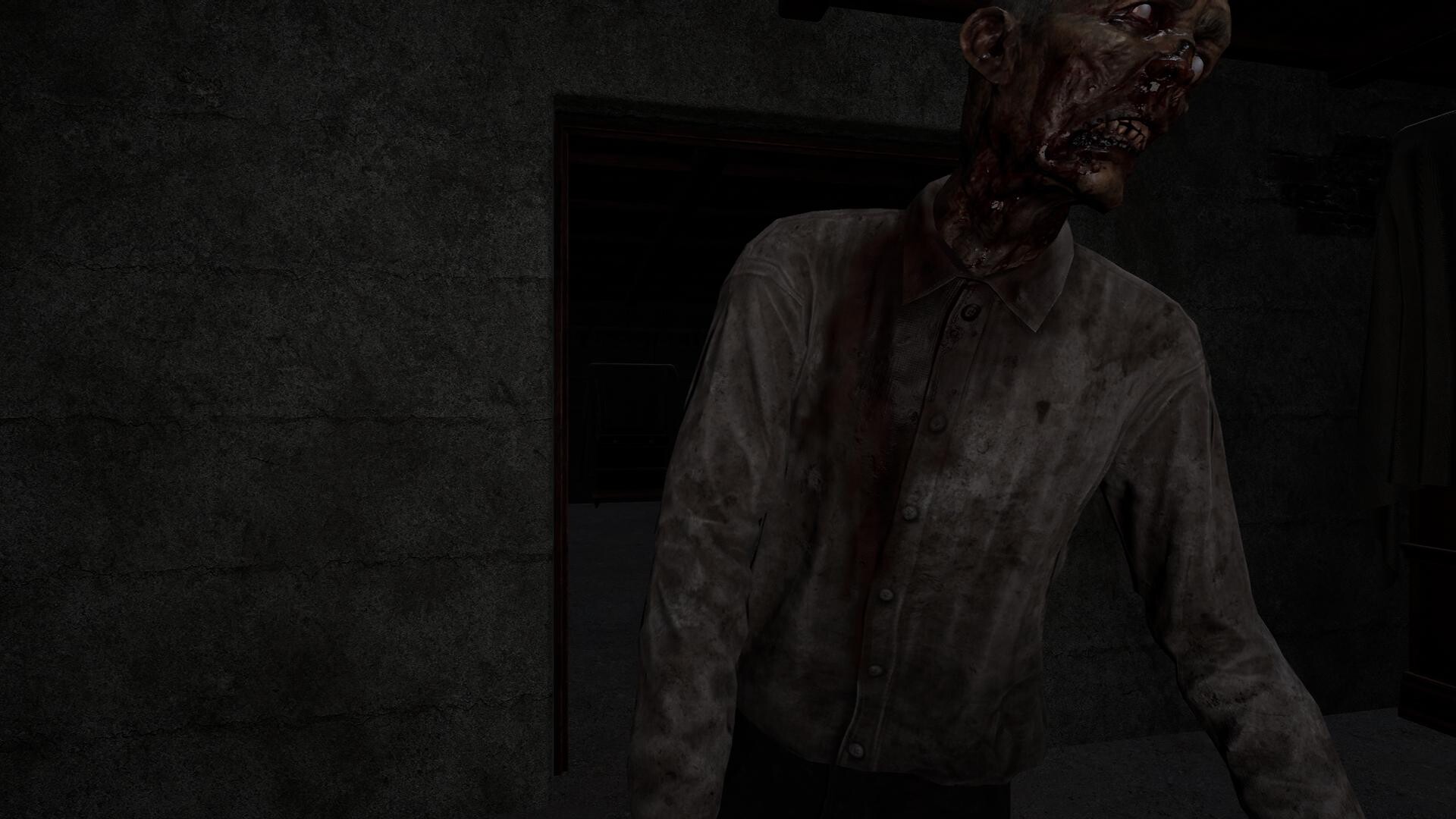
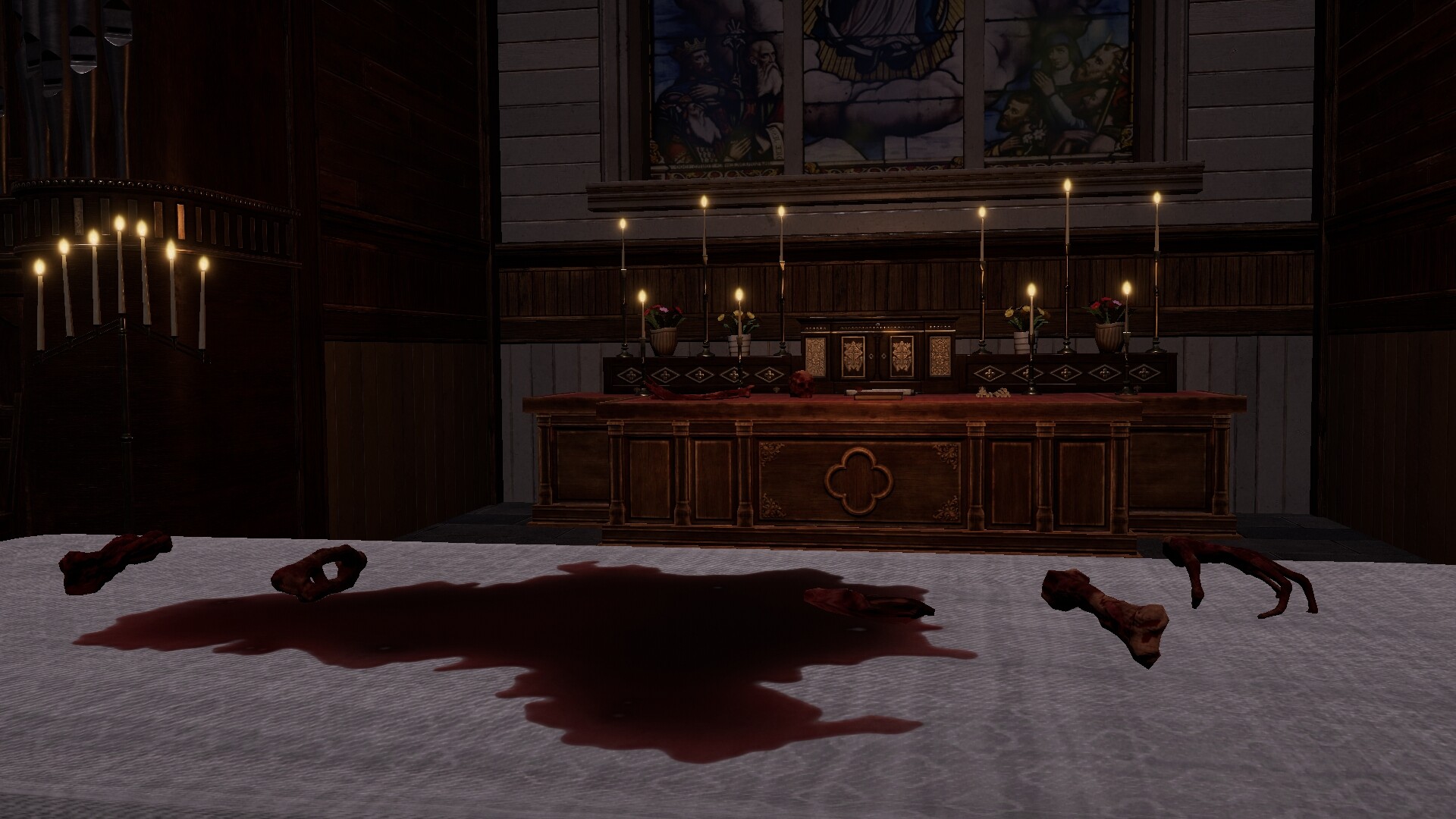
Trace of the Villa launched on Steam on 28 May, 2026. Its Steam store presence lists developer and publisher as Steadyturtle Co., Ltd., and the store page includes the official header and screenshots linked above.
Why does the theme matter?
Restoring power as a gameplay and narrative device changes how mystery unfolds. Instead of static puzzles scattered in unlocked spaces, the home itself is a staged adversary: reactivating circuits reintroduces mechanical and digital puzzles, which in turn open new rooms and reveal new classes of evidence — encrypted documents, suspicious transfer records, and falsified identities mentioned on the Steam page. That design keeps the player’s curiosity anchored to the mansion’s systems, making each reactivation feel consequential for both story and access.
How you read clues and progress
The progression model stresses chained discovery. Expect to:
- Scan an area for environmental cues — furnishings left mid-routine, missing photographs, or conspicuously blank personal items.
- Restore power or reactivate a subsystem (lighting, safes, security panels) to gain new interactive elements.
- Collect manifests, encrypted fragments, and transfer records, then cross-reference them to create timelines and suspect lists.
- Use newly unlocked compartments to trace movements and identities; each discovered piece points to the next locked or dormant system.
That chain-of-evidence approach rewards players who treat the mansion like a detective dossier: small physical details lead to locked systems, and locked systems open narrative beats.
Player scenarios — who should wishlist it
- Scenario A — The deliberative detective: You prefer piecing together story from documents, audio logs, and room staging rather than action setpieces. You’ll enjoy the methodical unlock and evidence reconstruction loop.
- Scenario B — Atmosphere-first explorer: You care about mood and slow-burn suspense. The mansion’s erasure-of-identity theme and staged interiors will keep you invested, especially if you like reading the environment for story cues.
- Scenario C — Puzzle completionist with patience: If you like multi-step puzzles where one solved device reconfigures the map, this game’s “power-on to reveal” rhythm will feel familiar and rewarding.
- Scenario D — Not for you if you want fast-paced, save-or-die tension: The Steam page flags “Playable without Timed Input,” and the design prioritizes discovery over frantic action.
How it compares to other mystery/puzzle experiences
Below is a concise editorial comparison on lawful criteria — genre, atmosphere, puzzle focus, exploration style, story tone, pacing, and likely player fit.
| Title | Similarity to Trace of the Villa | Key differences | Player fit |
|---|---|---|---|
| The Room | Both centre on locked, object-based puzzles and intimate, tactile puzzleboxes that require observation and manipulation. | The Room emphasises single-object mechanical puzzles in confined spaces; Trace of the Villa blends that locked-room logic with a larger mansion-scale, environmental narrative and systems reactivation. | Players who love tactile, puzzle-object design but want broader environmental context may prefer Trace of the Villa. |
| The Room Two | Shares a focus on atmospheric, slow-burn puzzle solving and handcrafted mechanical puzzles. | The Room Two keeps puzzles tightly focused and often more surreal; Trace of the Villa ties puzzles to narrative evidence and financial/identity traces across multiple rooms. | Those who want a mystery grounded in reconstructed evidence and timeline work will gravitate to Trace of the Villa. |
| Escape Simulator | Both reward careful search and manipulation of the environment; Escape Simulator offers highly interactive rooms and community-made content. | Escape Simulator is more physics-driven and sandboxy with co-op options and an editor; Trace of the Villa is single-player and narrative-led, with a specific story about missing people and falsified identities. | Players who want narrative focus and a linear evidence trail should pick Trace of the Villa; players who want multiplayer or level-creation choose Escape Simulator. |
YouTube discovery
If you want to inspect trailers or gameplay clips, search YouTube for Trace of the Villa using this query path (results may include trailers or user videos; this is a discovery link, not a verified official video): Browse Trace of the Villa on YouTube.
View Trace of the Villa on Steam
Disclaimer: Referenced titles and trademarks belong to their respective owners. Comparisons above are editorial discovery only and not endorsements. All game facts quoted come from the Trace of the Villa Steam store data (developer/publisher, release date, genres, categories, and official descriptions).
Leave a Reply