Trace of the Villa: a mansion mystery built for inspection-heavy, clue-chain players
Trace of the Villa drops you into a decaying, off-grid mansion where Jin — driven by the search for his missing sister — restores power and teases open layers of a deliberately erased past. The game leans on environmental storytelling, safes and secured systems that unlock fragments of encrypted documents and financial trails, rewarding careful reading and object logic over twitch or combat reflexes.

Quick facts
| Title | Trace of the Villa |
|---|---|
| Release date | 28 May, 2026 |
| Developer / Publisher | Steadyturtle Co., Ltd. |
| Genres | Action, Adventure, Indie |
| Key Steam categories | Single-player; Color Alternatives; Custom Volume Controls; Playable without Timed Input; Subtitle Options; Family Sharing |
| Steam page | Trace of the Villa on Steam |
Who is Trace of the Villa for?
Players who prefer slow-burn suspense, methodical examination, and narrative puzzles over action-driven setpieces. If you enjoy unpacking layered clues — documents, safes, power systems and environmental anomalies — to reconstruct a timeline, this is tailored to inspection-heavy play. The Steam categories note Playable without Timed Input, which supports a paced, thoughtful approach rather than pressure-based challenge.
What the game is (and isn’t)
Trace of the Villa is an atmospheric mystery adventure built around a single-player investigation. The official Steam description frames the core loop: Jin recovers manifests and hints inside a mansion that appears “erased,” restores power, and watches secured systems reveal hidden compartments, safes with encrypted fragments, and financial trails that suggest a larger operation. This points to a puzzle design that privileges object logic — manipulating systems and reading traces — and environmental puzzles more than action or multiplayer mechanics.
When and where (Steam context)
Trace of the Villa released on Steam on 28 May, 2026. The game’s Steam page lists Steadyturtle Co., Ltd. as both developer and publisher and emphasizes accessibility features such as subtitle options, color alternatives, and custom volume controls.
Why the mansion setting matters
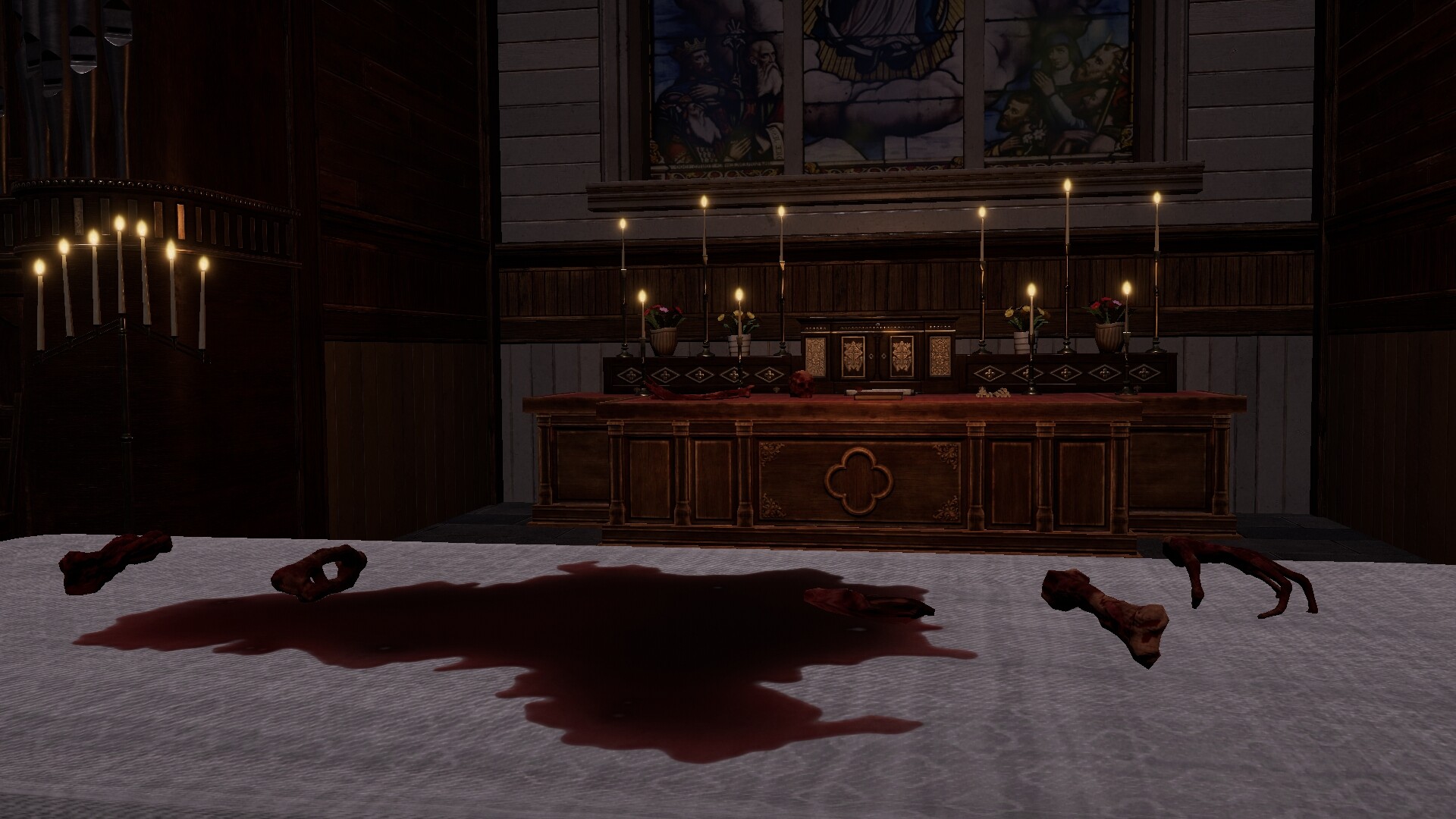
A deliberate “erased” residence works as a design scaffold for chained clues: rooms frozen mid-routine, locked doors, and missing identities encourage players to infer systems and behaviors from small details. The setting supports both environmental storytelling and a psychology-of-place approach — the mansion itself is the primary document you must read. That context makes object logic important: how items relate, which systems power others, and how physical access unlocks narrative evidence.
How you read clues and progress
The official text describes restoring power as a key gameplay beat. Practically, that suggests a progression where reactivating estate systems reveals new nodes of interaction (secured systems, hidden compartments, safes). Puzzle progression appears to depend on chaining discoveries — combining recovered manifests, encrypted fragments and suspicious transfer records to follow financial and identity trails. Expect a gameplay rhythm of inspect → hypothesize → restore/operate → unlock more information, rather than isolated brain-teasers that don’t connect to the plot.

Player scenarios — who should wishlist this
- Inspection-first players: You enjoy inventory-light investigation and spend time reading notes, examining safes and tracing transactions across documents.
- Atmosphere and slow-burn thinkers: You want mood and implication to do heavy narrative lifting rather than explicit cutscenes or action beats.
- Puzzle-chain fans: You prefer puzzles that feed into a larger investigative arc — restoring systems to unlock the next narrative clue — rather than isolated logic puzzles disconnected from story.
- Accessibility-conscious solo players: The Steam categories indicate features like subtitles and playability without timed input, supporting a measured pace.
How it compares (editorial comparison)
Below is a compact editorial table comparing Trace of the Villa to a few other mystery/puzzle-first experiences. This is meant to help you match taste and pacing, not to rank or endorse.
| Title | Genre / Atmosphere | Puzzle focus | Exploration style | Pacing / Story tone | Best for |
|---|---|---|---|---|---|
| Trace of the Villa | Action / Adventure / Indie — mansion mystery, erased identities | Inspection, object logic, chained environmental puzzles (power systems, safes, encrypted fragments) | Single-player, narrative-driven mansion exploration | Slow burn, investigative, discovery via restored systems | Players who like clue chains and environmental storytelling |
| The Room | Adventure / Indie — intimate, mechanical mystery | Physical puzzle boxes and tactile object puzzles | Focused room-by-room puzzle sequences | Concentrated, puzzle-centric, atmospheric | Players who enjoy handcrafted mechanical puzzles |
| The Room Two | Adventure / Indie — cryptic, immersive | Progressive mechanical puzzles with narrative beats | Room and environment exploration with a narrative thread | Unfolding mystery with steady escalation | Players who like tactile, escalating puzzle design |
| Escape Simulator | Adventure / Casual / Indie — interactive escape rooms | Highly interactive, physics-enabled puzzles; player manipulation of objects | Room-based, objective-focused; supports solo and co-op, plus level editor | Variable pacing depending on room; often puzzle-first | Players who want interactive object manipulation and custom rooms |
YouTube discovery
If you want video trailers or gameplay searches, use this YouTube search path (search results may include trailers or player videos; this is a discovery link, not a verified official video): Search Trace of the Villa trailers and gameplay on YouTube.
Please consider adding Trace of the Villa to your Steam wishlist if the idea of reading a house like a document — tracing encrypted fragments, reactivating systems and following financial clues — matches how you like to play.
View Trace of the Villa on Steam
Disclaimer: referenced titles and trademarks belong to their respective owners. Comparisons above are lawful editorial discovery and not endorsements or claims of superiority.
Leave a Reply