
Who should wishlist Trace of the Villa after loving atmospheric mystery adventures
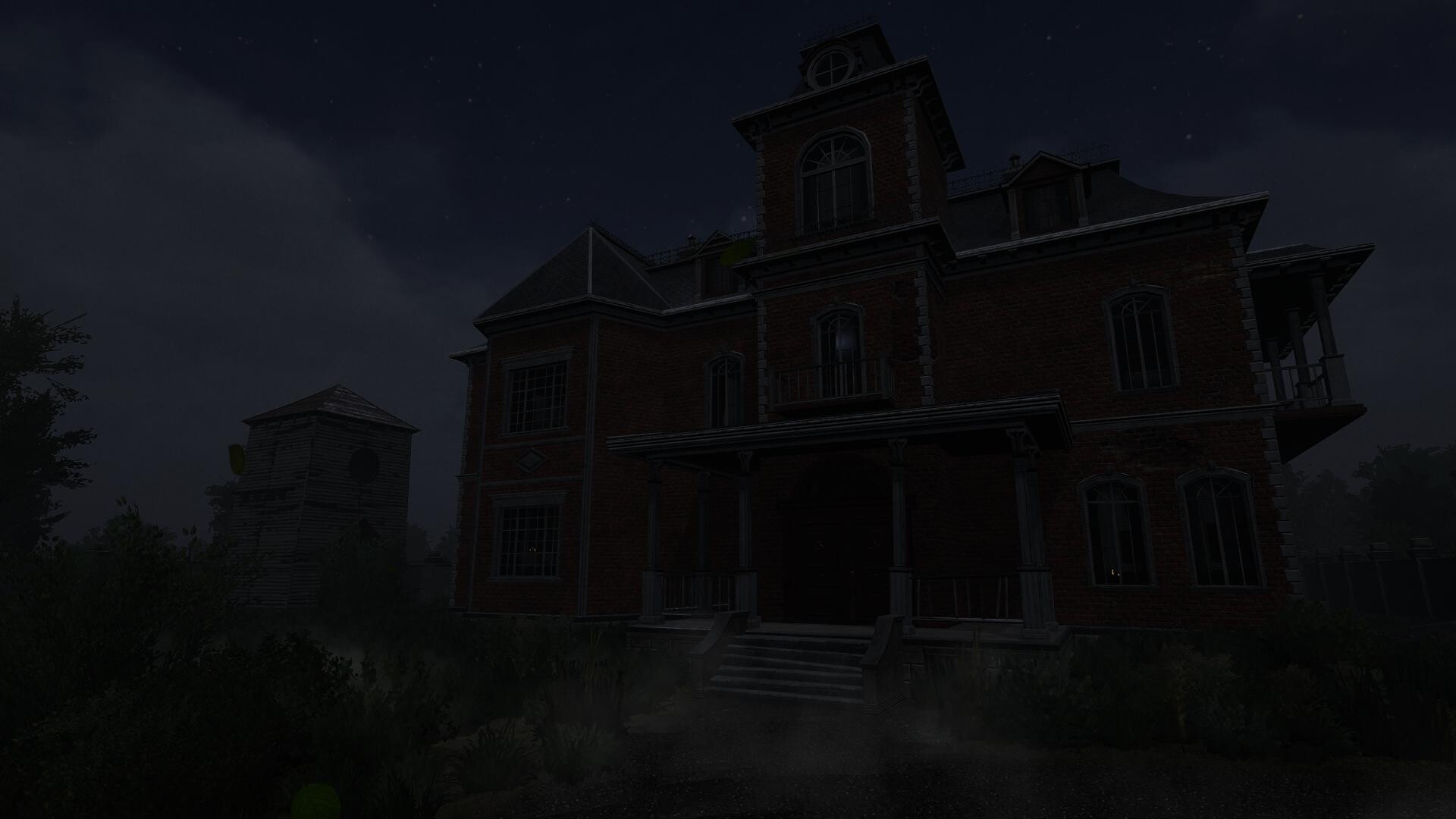
Trace of the Villa (Steadyturtle Co., Ltd.) is a slow-burn, clue-driven investigation set in a deliberately decaying mansion where a brother named Jin follows manifests, encrypted documents and locked rooms to find his missing sister. If you lean toward environmental storytelling, document puzzles, and room-by-room revelation rather than combat-first horror, this release is targeted at that playstyle.

Quick facts
| Title | Trace of the Villa |
|---|---|
| Developer / Publisher | Steadyturtle Co., Ltd. |
| Release date | 28 May, 2026 |
| Steam appid | 3483660 |
| Genres | Action, Adventure, Indie |
| Key categories | Single-player; Color Alternatives; Custom Volume Controls; Playable without Timed Input; Subtitle Options; Family Sharing |
| Premise | Jin recovers manifests and hints in a remote, decaying mansion that indicate his missing sister may still be alive. |
What the game is
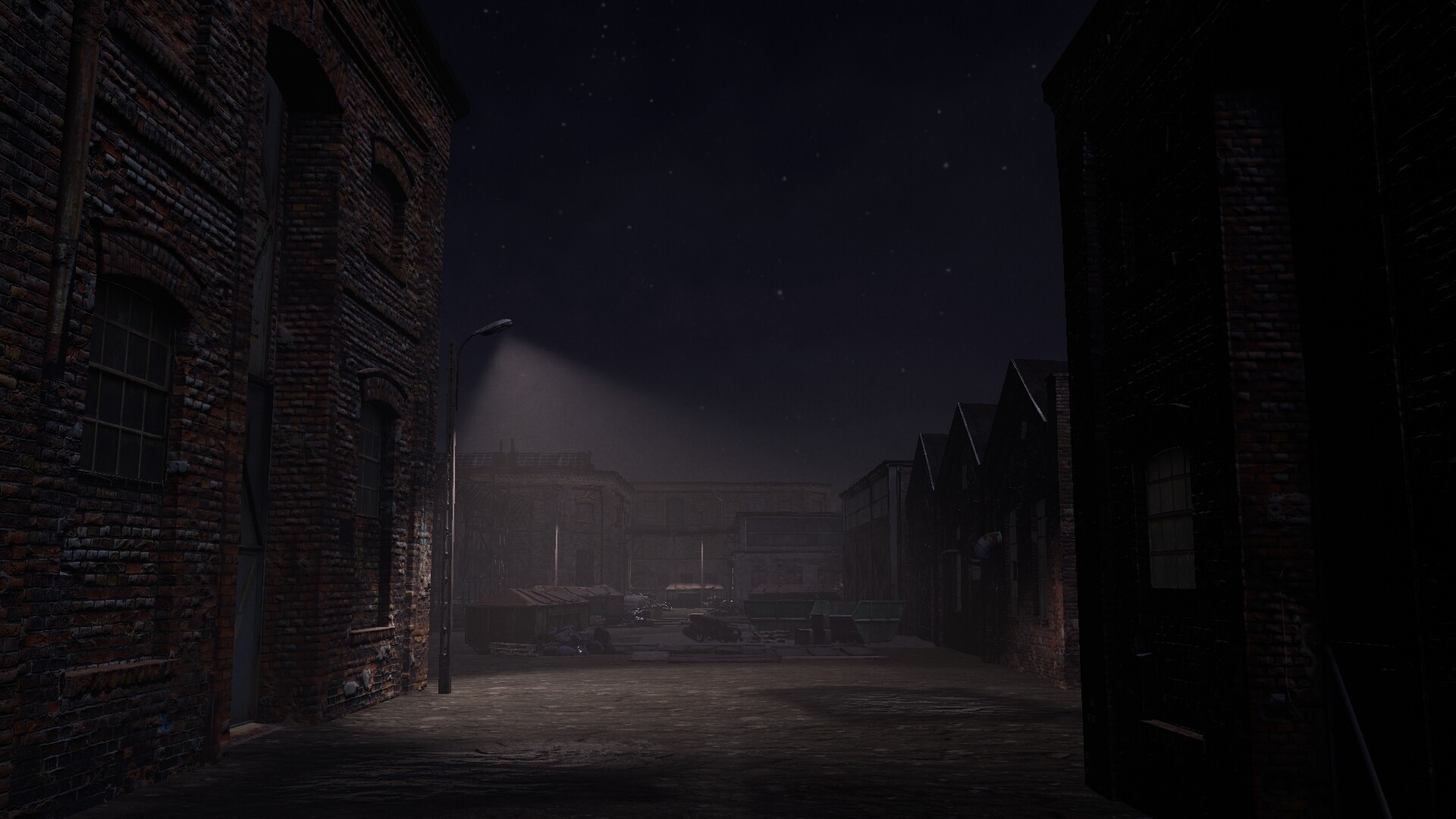
Trace of the Villa positions itself as a narrative investigation inside a property “cut off from the grid,” where the player interprets physical rooms, restored systems and salvaged documents to reconstruct what happened. The Steam description highlights restored power, hidden compartments, safes, encrypted documents and suspicious transfer records—language that signals puzzle resolution through evidence assembly rather than reflex or timed input.
When and where
Trace of the Villa released on Steam on 28 May, 2026. It appears on PC via the Steam store page and is listed under Action / Adventure / Indie and core single-player categories; the store includes subtitle options and accessibility-friendly categories like playability without timed input.
Who it’s for
This is primarily for players who prefer investigative adventure pacing: those who enjoy reading manifests and notes, hunting for clues in staged rooms, and assembling timelines from physical evidence. If your interest lies in atmospheric, story-first exploration and methodical puzzle solving—rather than jump-scare survival mechanics or combat—you should consider this title.
Why the thematic focus matters
Trace of the Villa emphasizes erased identities, falsified records and controlled movements—themes that reward careful inspection and cross-referencing of found documents. That focus changes how a mystery plays out: tension is generated by the slow accumulation of proof and the implications of financial and identity traces, not by continual external threats. For players who like their dread delivered via implications and paperwork as much as creaking floors, that approach can be especially satisfying.
How you progress: documents, rooms, and hidden evidence
The Steam description describes progress as a cycle of restoration and discovery: restore power, watch secured systems come online, unlock hidden compartments and open safes that yield fragments of encrypted documents and transfer records. Expect room-by-room evidence gathering, decryption or decoding of fragments, and connecting financial or identity anomalies to a broader timeline. In short: reading and comparing documents, searching furnished-but-deserted rooms, and piecing together concealed transactions are the core gameplay loops signaled on the store page.
Which players should wishlist it — specific scenarios
- Fans of The Room-style mechanical puzzles who want a more narrative, room-by-room investigation rather than isolated puzzle boxes.
- Players who enjoyed Layers of Fear or similar mansion mysteries for atmosphere and slow-burn tension rather than fast-paced combat.
- People who like point-and-click evidence assembly (Rusty Lake Hotel players) but want a stronger emphasis on documents, encrypted records and an underlying logistical conspiracy.
- Those who appreciated SOMA or Amnesia for immersive environmental storytelling but prefer fewer direct survival-horror encounters and more document-driven detective work.
How Trace of the Villa compares to nearby mystery/adventure titles
Below is a compact editorial comparison focusing on genre, atmosphere, puzzle focus, exploration style, story tone and pacing.
| Title | Release | Primary atmosphere | Puzzle / investigation focus | Exploration style & pacing |
|---|---|---|---|---|
| Trace of the Villa | 28 May, 2026 | Decaying mansion; erased identities | Document fragments, safes, restored systems, financial traces | Room-by-room evidence gathering; slow-burn investigative pacing |
| Amnesia: The Dark Descent | 8 Sep, 2010 | First-person survival horror; oppressive dread | Environment and sanity mechanics; survival-driven discovery | Immersive, tension-heavy; more reactive/horror-focused pacing |
| SOMA | 21 Sep, 2015 | Sci-fi existential dread | Narrative puzzles tied to systems and logs | Exploration-heavy with story beats; philosophical tone |
| Layers of Fear (2016) | 15 Feb, 2016 | Victorian psychological horror; shifting mansion | Atmospheric puzzles and narrative reveals | Slow psychological unraveling; surreal changes to environment |
| The Room | 28 Jul, 2014 | Mystical, focused puzzle-box atmosphere | Mechanical puzzle boxes and tactile contraptions | Concise, concentrated puzzle rooms; deliberate pacing |
| Rusty Lake Hotel | 29 Jan, 2016 | Dark, puzzly point-and-click atmosphere | Point-and-click inventory and short scenario puzzles | Episode-like vignettes with puzzle resolution; brisker than a full mansion investigation |
Use this as editorial guidance: Trace of the Villa overlaps most with mansion-focused titles for atmosphere (Layers of Fear) and with document- and evidence-led puzzle play that leans away from constant survival tension (more like The Room or Rusty Lake in puzzle intent, but applied to a larger mansion investigation).
YouTube discovery
If you want trailer or gameplay clips, search YouTube using this discovery path (search results may include official or community videos): Search Trace of the Villa trailer & gameplay on YouTube.
Final take — who should wishlist this now
Wishlist Trace of the Villa if you prefer atmospheric mystery adventure on PC that rewards careful reading of documents, searching furnished-but-abandoned rooms, and assembling hidden financial or identity evidence into a timeline. If you want a game that frames suspense as forensic work—reading manifests, restoring systems, and unlocking safes—this fits that niche within Steam’s indie mystery space.
Leave a Reply