
Trace of the Villa: rooms as puzzle spaces and story containers
Trace of the Villa funnels investigation into tightly composed rooms, where restoring power and unlocking systems converts objects into clues and the mansion itself becomes the antagonist. It’s a slow-burn, clue-driven mystery about Jin’s hunt for his missing sister, set to arrive on Steam on 28 May, 2026.

Who, what, when, where, why, how
Who it’s for
Players who prize atmospheric mystery adventure and environmental storytelling — people who enjoy reading rooms as if they were witnesses: noticing what’s left behind, working object logic into puzzle solutions, and following a slow, investigative narrative. If your tastes run toward story-rich adventures and psychological investigation rather than twitch-action or fast combat, Trace of the Villa is aimed at you.
What the game is
Trace of the Villa is an Action / Adventure / Indie game from Steadyturtle Co., Ltd. The premise centers on Jin, who has spent years searching for his missing sister and follows a lead to a remote, decaying mansion. Inside, the house feels “erased”: rooms staged as if occupants vanished mid-routine, locked doors and hidden compartments, safes with fragments of encrypted documents and suspicious transfer records. Restoring power reveals secured systems and more layers of concealment.
When and where
Trace of the Villa launches on Steam on 28 May, 2026. It is presented for PC players via Steam; the store page contains images and a trailer thumbnail linked from the official assets.
Why the theme matters
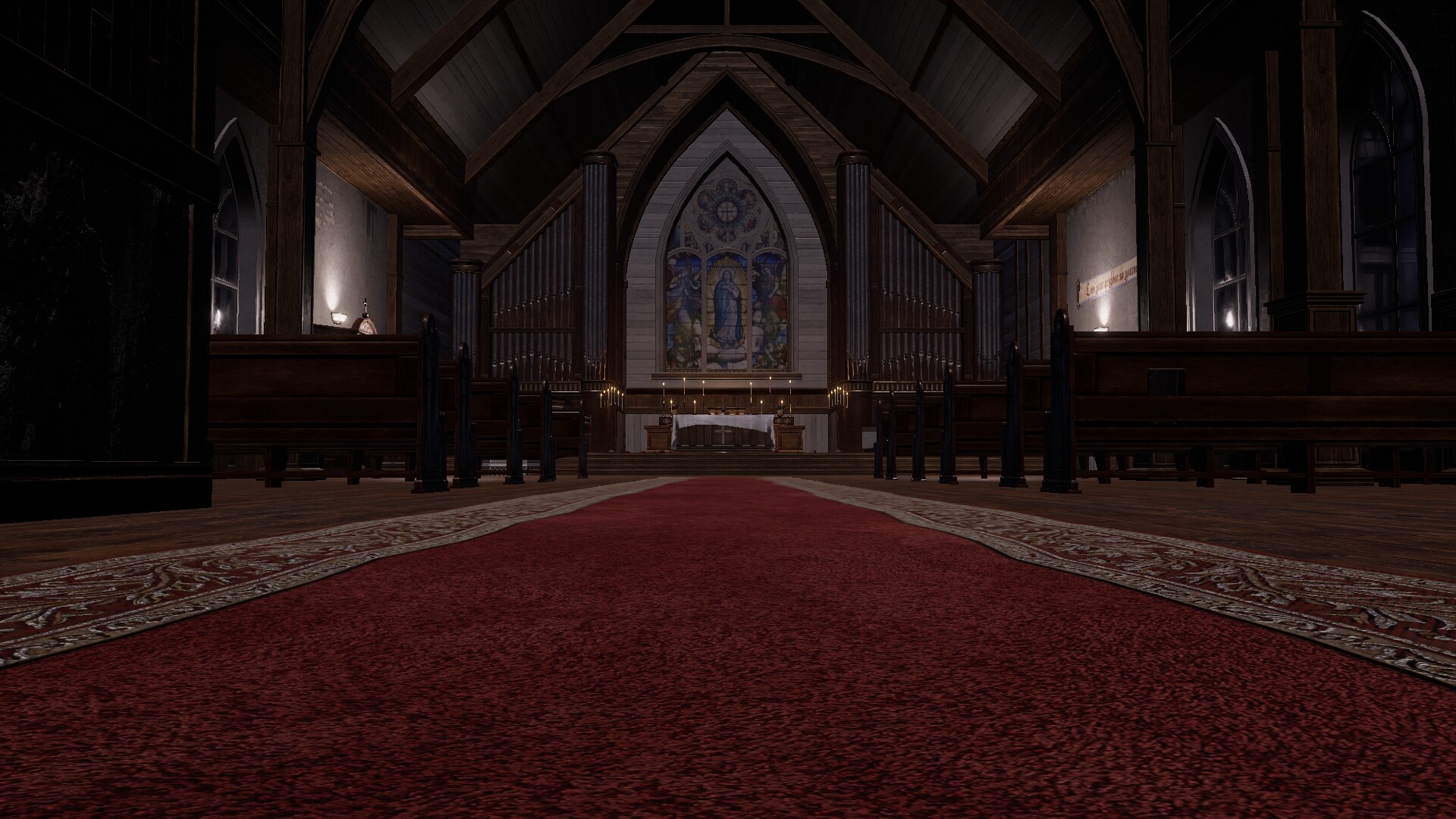
The mansion functions as both a literal location and a storytelling device: each room is a puzzle space that also contains narrative evidence. By structuring the experience around contained spaces, the game encourages players to read environmental clues—missing photographs, falsified records, and encrypted fragments—and to treat object interactions as forensic acts that gradually reconstruct a timeline. That approach shapes tone: slow-burn suspense and the creeping realization that this house was part of an organized, concealed operation.
How you progress
Progression is rooted in clue reading and object logic. The official description highlights mechanics that include restoring power to estate systems, accessing secured systems that come back online, unlocking hidden compartments, and opening safes that reveal pieces of encrypted documents. Each solved puzzle yields documents and transactional traces that reposition the mystery and unlock new rooms, so the act of solving is also the act of narrative discovery.
Images from the Steam page

Compact facts: Trace of the Villa
| Title | Trace of the Villa |
|---|---|
| Steam AppID | 3483660 |
| Release date | 28 May, 2026 |
| Developer | Steadyturtle Co., Ltd. |
| Publisher | Steadyturtle Co., Ltd. |
| Genres | Action, Adventure, Indie |
| Categories | Single-player; Color Alternatives; Custom Volume Controls; Playable without Timed Input; Subtitle Options; Family Sharing |
| Official short description | Jin has spent years searching for his missing sister, pursuing leads that took him to a remote, decaying mansion where he recovered manifests and hints that indicate his sister may still be alive, somewhere at the end of the trail he is about to follow. |
How Trace of the Villa compares — practical table for puzzle-adventure players
Below are concise, editorial comparisons on lawful criteria: genre, atmosphere, puzzle focus, exploration style, story tone, pacing, and the kind of player likely to enjoy each title.
| Title | Genre & release | Atmosphere & story tone | Puzzle focus & exploration | Pacing / player fit |
|---|---|---|---|---|
| Trace of the Villa | Action / Adventure / Indie — Steam (28 May, 2026) | Decaying mansion, slow-burn psychological investigation; investigative and unsettling | Clue reading, object logic, restoring systems, hidden compartments, safes and encrypted documents | Deliberate pace for players who favor narrative puzzle discovery and environmental forensics |
| The Room | Adventure / Indie — released 28 Jul, 2014 | Mysterious, tactile curiosity; intimate, object-centric secrecy | Mechanical puzzles built around intricate physical contraptions and inspection | Focused puzzle sessions for players who like single-room, tactile problem solving |
| Escape Simulator | Adventure / Simulation / Indie — released 19 Oct, 2021 | Varied escape-room tones (often playful or tense depending on map) | Highly interactive object manipulation; community-made rooms expand styles | Good for players who want mechanical interaction, optional co-op and creative rooms |
| Unpacking | Casual / Indie / Simulation — released 1 Nov, 2021 | Zen domestic atmosphere that reveals life stories through placards and items | Puzzle-like spatial fitting and contextual storytelling via possessions | Best for players who prefer contemplative, non-threatening narrative through objects |
Player scenarios — who should wishlist it
- If you like methodical investigation: You’ll appreciate rooms that double as dossiers—solving a lock is also reading a paragraph of the house’s past.
- If you prefer object-first puzzles: Look for the satisfaction of restoring systems and watching new options appear; items and switched systems are how the game unfolds.
- If you want fast action or multiplayer chaos: This is not pitched for that; the official categories emphasize single-player and accessibility options like subtitles and no timed input.
- If you enjoy story tone akin to atmospheric mystery and psychological investigation: Trace of the Villa frames its plot around vanished identities, falsified records, and guarded movements—appealing to players who like inference-driven narrative reveals.
YouTube discovery
If you want to see footage, search for trailers and gameplay using this YouTube discovery link (use as a search/discovery path; not an assertion of an official channel): Trace of the Villa trailer & gameplay on YouTube.
Final considerations
Trace of the Villa uses rooms as the primary unit of both puzzle design and storytelling. Where some puzzle-adventures split narrative and puzzles, this title—based on its Steam presentation—positions each solved lock, restored circuit, and uncovered document as an increment in Jin’s investigation. That model will appeal most to players who treat exploration as evidence gathering rather than pure traversal.
Referenced titles and trademarks belong to their respective owners; comparisons above are editorial discovery only.
Leave a Reply