
Trace of the Villa: a story-first mansion mystery where the clues do the talking
Steadyturtle’s Trace of the Villa plants you in a decaying, deliberately forgotten mansion as Jin, a man following cold leads in search of his missing sister. The game promises slow-burn suspense built around environmental storytelling, restored systems, encrypted fragments and the quiet violence of identities erased — a clue-driven adventure sold on Steam for PC on 28 May, 2026.

| Title | Trace of the Villa |
|---|---|
| Steam App ID | 3483660 |
| Developer / Publisher | Steadyturtle Co., Ltd. |
| Release date | 28 May, 2026 |
| Genres | Action, Adventure, Indie |
| Key Steam categories | Single-player; Color Alternatives; Custom Volume Controls; Playable without Timed Input; Subtitle Options; Family Sharing |
What the game is — narrative mystery first
Official materials frame Trace of the Villa as a personal investigation: Jin has followed years of cold leads to a remote mansion and recovered manifests and hints suggesting his sister may still be alive. The estate itself is presented as an engineered absence — rooms left mid‑routine, no photographs, falsified identities — and restoring power is the moment the house starts revealing its concealed operation: secured systems come back online, hidden compartments open, safes yield fragments of encrypted documents and suspicious transfer records.

Who should wishlist this — player profiles
This is for players who prize narrative curiosity over loud set pieces: people who enjoy environmental storytelling, slow‑unfolding mysteries, and piecing together backstory from fragments rather than explicit exposition. If you prefer exploration that rewards close reading of space and systems — restoring power, unlocking secured systems and interpreting financial/identity traces — Trace of the Villa is likely to fit your tastes.
Conversely, players looking for high-octane, reflex-heavy action or fully open-world freedom should note the Steam page tags and categories: Single-player and options like Playable without Timed Input point to a measured, player-paced experience rather than twitch-based challenge.
When and where — Steam details
Trace of the Villa released on Steam on 28 May, 2026. It’s offered on PC through Steam with accessibility-friendly categories listed (Color Alternatives, Custom Volume Controls, Subtitle Options) and family sharing supported.
Why the theme matters — identity, erasure and investigation
The mansion that feels “erased” is the game’s narrative engine. Official text emphasizes missing records, falsified identities and people who “passed through this place under strict control.” That frame turns familiar mansion tropes into an institutional mystery: the story curiosity here is less “who haunts the halls” and more “what system removed names and why.” For players who enjoy mystery design that interrogates institutions, bureaucracy and private secrecy, that thematic focus offers a different flavor of dread than a purely supernatural thriller.
How you uncover meaning — systems meet environmental clues
According to the official description, progression is about making the house speak: restore power, reactivate secured systems, and then follow the breadcrumbs those systems release — encrypted documents, suspicious transfer records, manifests and hidden compartments. That design places investigation inside both physical space and recovered data, so uncovering meaning requires cross-referencing what you find in rooms with what returns when estate systems come back online.
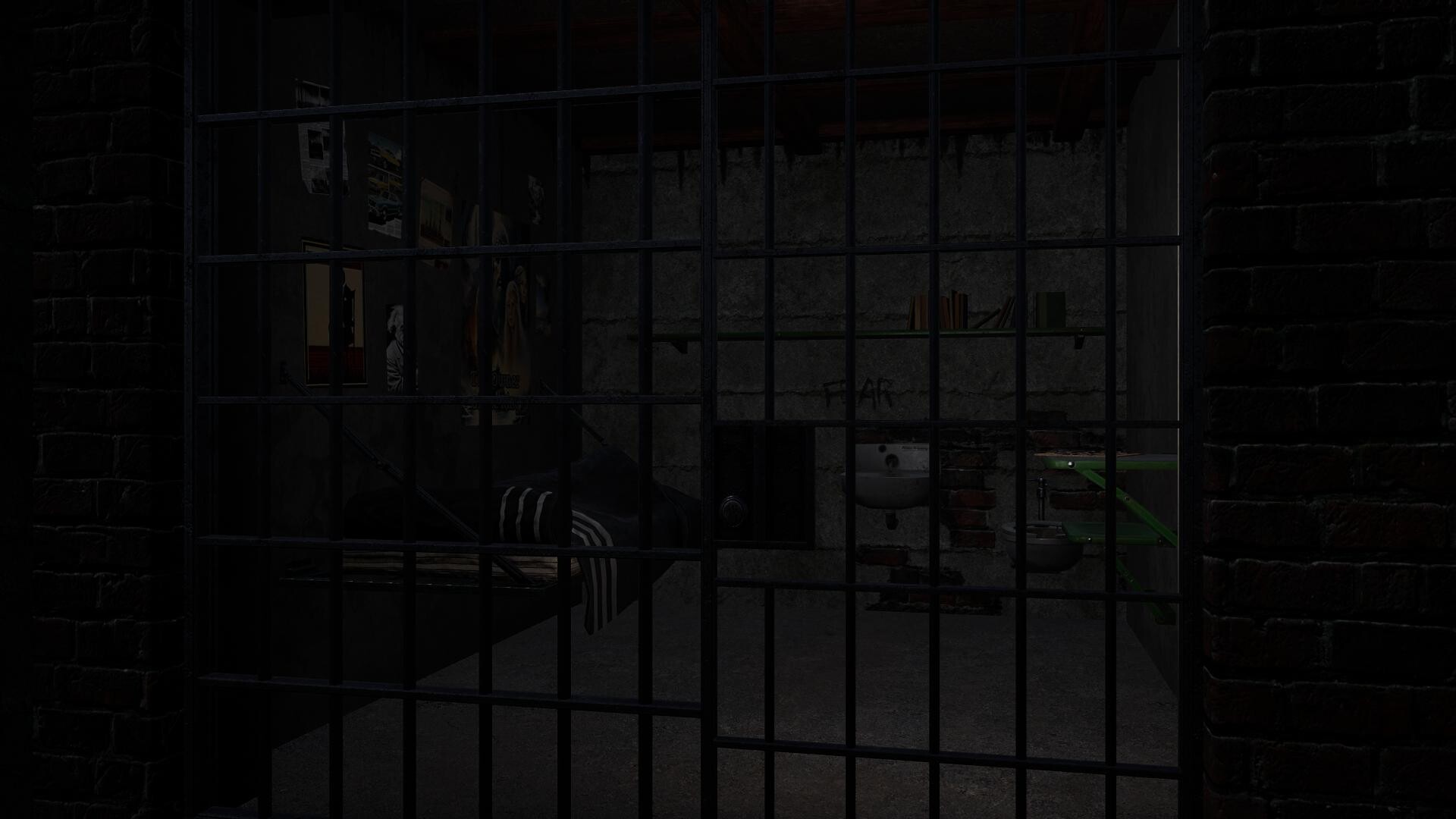
Expect narrative puzzle design where one solved archive or decrypted fragment reframes previously explored spaces, and documents act as both clues and worldbuilding — not just keys to a door, but keys to context.
Player scenarios — who will enjoy which parts
- The methodical investigator: You’ll relish cataloguing manifests, reactivating systems and tracing suspicious transfers through the estate’s records. The game rewards careful note-taking and connecting small details across systems.
- The atmospheric explorer: If you prefer lingering in spaces that tell stories through props and staging, the mansion’s rooms — furnished yet missing identifying marks — provide constant micro-mysteries to puzzle over.
- The narrative completionist: Players focused on piecing together a personal story (Jin’s search for his sister) will be invested in how recovered items and encrypted fragments accumulate toward a pattern.
- The puzzle-led action fan: While the game lists Action among genres, the Steam categories (Playable without Timed Input, Subtitle Options) suggest the action elements are likely balanced with investigative pacing rather than intense timed reflexes.
How it compares — editorial discovery table
| Title | Genre / Tone | Puzzle focus | Exploration style | Pacing / Player fit |
|---|---|---|---|---|
| Trace of the Villa | Action / Adventure; atmospheric mansion mystery | Clue-driven: restored systems, encrypted documents, manifests | Contained estate; environmental storytelling + data recovery | Slow-burn; suits players who read space and records carefully |
| Inscryption | Adventure / Indie; card‑based psychological horror | Puzzles embedded in card mechanics and meta layers | Rigid, rules-driven spaces that unfold meta-secrets | Experimental; players who like surprises and genre-bending puzzles |
| Outer Wilds | Action / Adventure; cosmic mystery | Environmental and systemic puzzles tied to a time loop | Open solar system exploration; discovery across locations | Explorative, patient players who enjoy emergent connections |
| Journey | Adventure / Indie; meditative exploration | Minimalist puzzles; focus on movement and atmosphere | Linear but visually expressive landscapes | Players who prefer emotional pacing and visual storytelling |
| The Forgotten City | Adventure / Indie / RPG; time-loop moral mystery | Dialogue and puzzle solutions exploit time mechanics | Ancient city with linked narrative puzzles | Story-first players who enjoy moral and systemic puzzles |
| The Medium | Adventure; psychological horror | Puzzles split across dual-reality mechanics | Interleaved real world / spirit realm exploration | Fans of psychological tone and layered narrative mechanics |
Use this table to judge fit: Trace of the Villa sits closest to story-first, contained investigations like The Medium or The Forgotten City in its focus on narrative through recovered systems, but it leans into mansion-scale environmental mystery rather than time‑loop or dual-reality mechanics.
YouTube discovery
Looking for trailers or gameplay footage? Search for Trace of the Villa trailers and gameplay on YouTube: https://www.youtube.com/results?search_query=Trace+of+the+Villa+trailer+gameplay. This link is provided as a discovery path; it does not imply any specific video is official unless verified on the Steam page or publisher channels.
View Trace of the Villa on Steam
Final verdict — is it for you?
If you prize slow, clue-driven investigation and enjoy narrative meaning emerging from both physical space and recovered data, Trace of the Villa is worth adding to your wishlist. The Steam page shows accessibility options and a single-player, non‑timed approach that will suit readers of environment and systems rather than players chasing reflex-driven thrills.
Referenced titles and trademarks belong to their respective owners. Compar
Leave a Reply