Trace of the Villa — where locked-room logic meets puzzle-chain momentum
Trace of the Villa places you in a decaying, off-grid mansion while Jin follows fragmented leads that hint his missing sister may still be alive. Restoring power and opening sealed rooms drives a slow-burn, clue-driven investigation that rewards environmental reading and chained problem solving.

Quick facts
| Title | Trace of the Villa |
|---|---|
| Developer / Publisher | Steadyturtle Co., Ltd. |
| Release date | 28 May, 2026 |
| Steam App ID | 3483660 |
| Genres | Action · Adventure · Indie |
| Notable Steam categories | Single-player, Color Alternatives, Custom Volume Controls, Playable without Timed Input, Subtitle Options, Family Sharing |
| Steam reviews | No user reviews (store summary records zero reviews at time of writing) |
Who should wishlist it?
- Players who prefer single-player, story-rich PC mystery games that reward close reading of environments and objects.
- Fans of slow-burn suspense and mansion mysteries who like puzzles that unlock narrative fragments rather than instant action beats.
- Anyone who enjoys investigative pacing where restoring systems and opening secured areas reveals the next link in a chain of clues.
What the game is (and how it approaches puzzles)
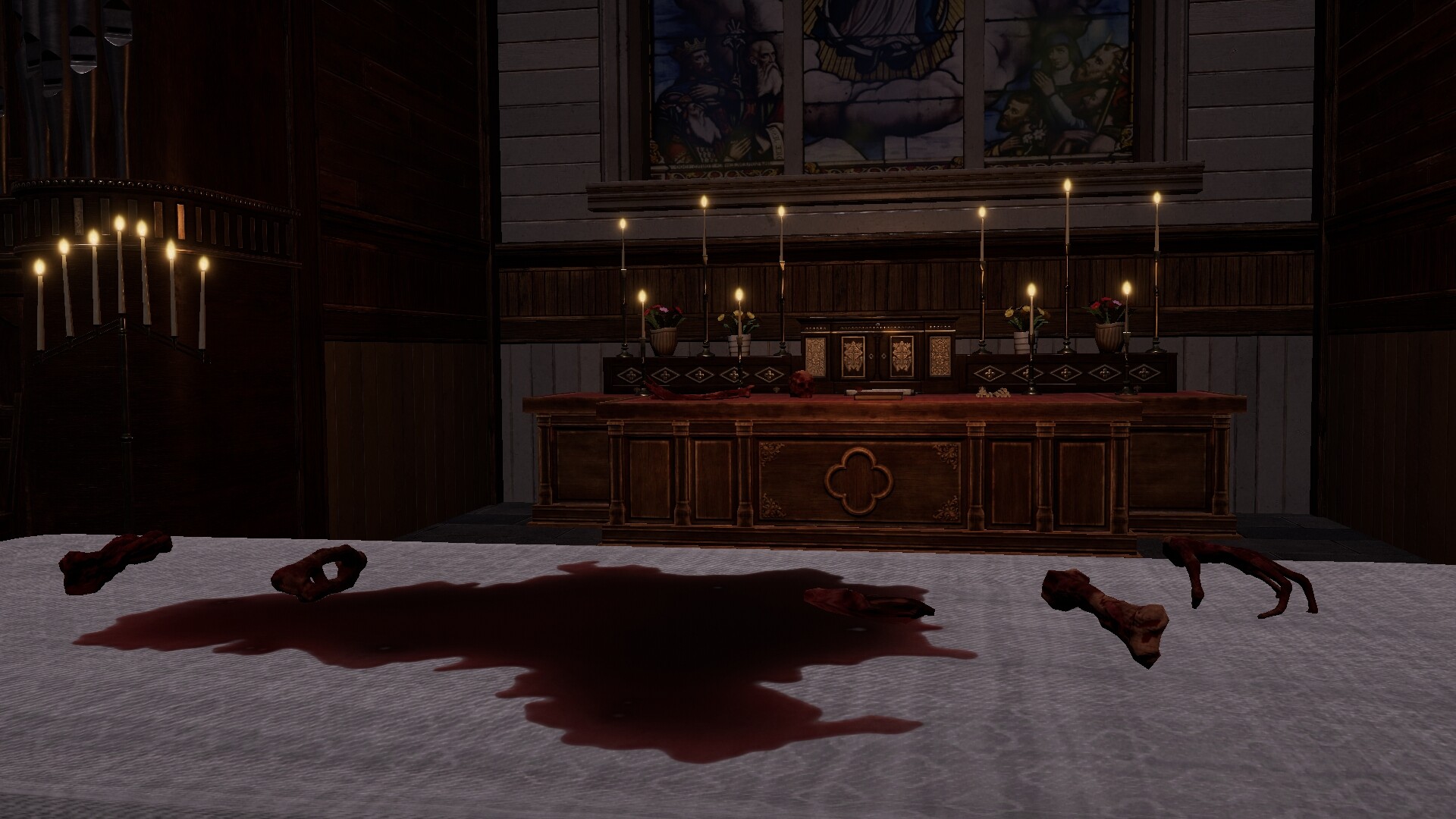
Official Steam text frames Trace of the Villa around Jin’s years-long search for a missing sister and a lead that brings him to “a remote, decaying mansion.” Inside, rooms feel “less abandoned than erased”—locked doors, hidden compartments, safes and secured systems. The game emphasizes environmental storytelling: when Jin restores power, “secured systems come back online,” compartments unlock, and safes yield fragments of encrypted documents and suspicious transfer records. That chain—solve one puzzle, reveal a new system or document, then follow the next clue—is central to the experience.

When and where
Trace of the Villa released on 28 May, 2026 and is listed on Steam (PC). The Steam page shows developer and publisher as Steadyturtle Co., Ltd., and the store entry notes it is single-player with accessibility features such as subtitle options and custom volume controls.
Why the mansion premise matters
Mansion mysteries naturally constrain the field of evidence: a finite set of rooms, objects and access points focuses locked-room thinking and forces players to build longer clue chains. In Trace of the Villa that constraint is also narrative: the sense that identities have been removed or erased turns object clues into both puzzle gates and story fragments. If you care more about atmosphere and the labor of piecing a timeline together than about frequent combat or reflex challenges, that design logic matters.
How reading clues and momentum work in practice
Expect a rhythm where environmental observation yields an actionable object or system—powering a wing, decoding a document, opening a safe—that immediately points to the next location or puzzle. The Steam description explicitly describes restoring power, unlocking compartments, and safes yielding “fragments of encrypted documents and suspicious transfer records.” Those are classic elements of puzzle-chain momentum: each solution not only gives mechanical reward but supplies new narrative context that re-frames prior evidence.
Player scenarios — decide if this fits you
- You like investigative pacing: If you enjoy tracing financial threads, encrypted fragments and carefully revealed timelines, Trace of the Villa’s clue-chain design will appeal.
- You like tactile, object-first puzzles: If you prefer hands-on manipulation and physics-driven contraptions (moving furniture, smashing pots, rapid co-op play), a title like Escape Simulator (2021) emphasizes interactivity more than atmospheric narrative.
- You want short, self-contained lockbox puzzles: Players who enjoy the focused, ornate-object puzzles of The Room series may find similar moments of concentrated puzzle design in Trace of the Villa, but here those puzzles feed a broader investigative arc tied to a mansion’s systems and records.
How it compares to nearby mystery/puzzle games
| Title | Genre (store) | Primary puzzle focus | Atmosphere / Story tone | Exploration style | Player fit |
|---|---|---|---|---|---|
| Trace of the Villa | Action · Adventure · Indie | Clue chains, environmental reading, locked-room reveals | Mansion mystery; identity erasure; slow-burn investigative tension | Single-player, narrative-led exploration through sealed systems | Players who want story-first mystery and puzzle momentum |
| The Room | Adventure · Indie | Intricate mechanical lockboxes and object puzzles | Isolated, uncanny puzzles with a mysterious patron presence | Focused puzzle rooms; sequential lockboxes | Fans of tactile, single-chamber puzzle design |
| The Room Two | Adventure · Indie | Elaborate single-object puzzles across linked environments | Cryptic, atmospheric exploration with episodic reveals | Linear progression through themed puzzle locales | Players who enjoy layered, object-centric puzzle set pieces |
| Escape Simulator | Adventure · Casual · Indie · Simulation | Highly interactive escape rooms; move and examine nearly everything | Varied; from playful to tense depending on room |
Leave a Reply