
Trace of the Villa — an inspection‑first, clue‑chain mystery set in a decaying mansion
Trace of the Villa places a single protagonist, Jin, inside a deliberately forgotten mansion where restoring power and piecing together manifests reveal a trail that may lead to his missing sister. Released on 28 May, 2026 by Steadyturtle Co., Ltd., the Steam page frames the experience as a slow, clue‑driven investigation that rewards close reading of environment and objects.

Quick facts
| Title | Trace of the Villa |
|---|---|
| Steam appid | 3483660 |
| Release date | 28 May, 2026 |
| Developer / Publisher | Steadyturtle Co., Ltd. |
| Genres | Action, Adventure, Indie |
| Steam categories | Single-player; Color Alternatives; Custom Volume Controls; Playable without Timed Input; Subtitle Options; Family Sharing |
| Official short description | Jin has spent years searching for his missing sister, pursuing leads that took him to a remote, decaying mansion where he recovered manifests and hints that indicate his sister may still be alive, somewhere at the end of the trail he is about to follow. |
Who should wishlist Trace of the Villa?
If you favour atmospheric mystery adventure and slow‑burn suspense built around exploration rather than twitch reflexes, Trace of the Villa should be on your radar. The Steam page and official description emphasise investigative beats — restoring power, unlocking secured systems, and recovering fragmentary documents — which will appeal to players who enjoy object logic, environmental reading, and methodical clue chains over combat or timed sequences. The categories also list playability without timed input, subtitle options and color alternatives, which suits accessibility‑minded single‑player puzzle players.
What the game is (and where it places its puzzles)
Official text describes a mansion that feels “erased” rather than simply abandoned: furnishings left mid‑routine, locked doors, personal effects with missing names and photos. Mechanically, the description calls out restoring power as a turning point — secured systems return online, hidden compartments unlock, and safes yield encrypted fragments and transfer records. That language signals puzzle design built around environmental systems, document fragments, and chained discoveries rather than isolated mini‑games.
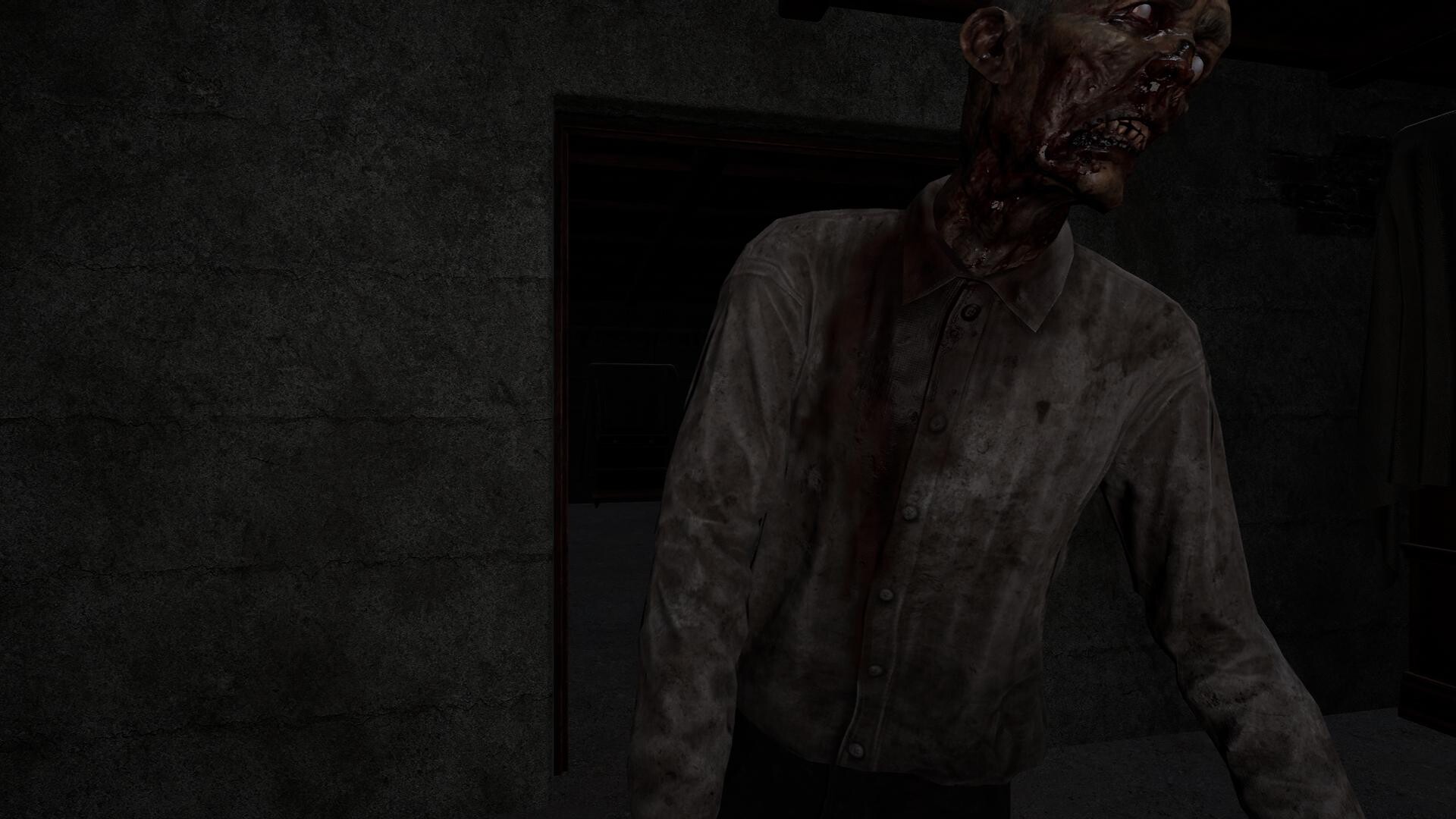
Expect the primary puzzle loops to come from inspecting objects, following financial and identity traces in documents, reactivating systems, and using new information to access previously sealed areas — classic locked‑room thinking scaled across a property. The official description frames discoveries as layers: each solved puzzle “uncovers another layer of a carefully concealed operation.”
When and where: Steam specifics
Trace of the Villa launched on Steam on 28 May, 2026. The listing identifies Steadyturtle Co., Ltd. as both developer and publisher. It’s presented as a PC/Steam single‑player title with accessibility options like subtitle support and color alternatives; the store page also lists “Playable without Timed Input” among its categories.
Why the theme matters: identity, erasure, and environmental storytelling
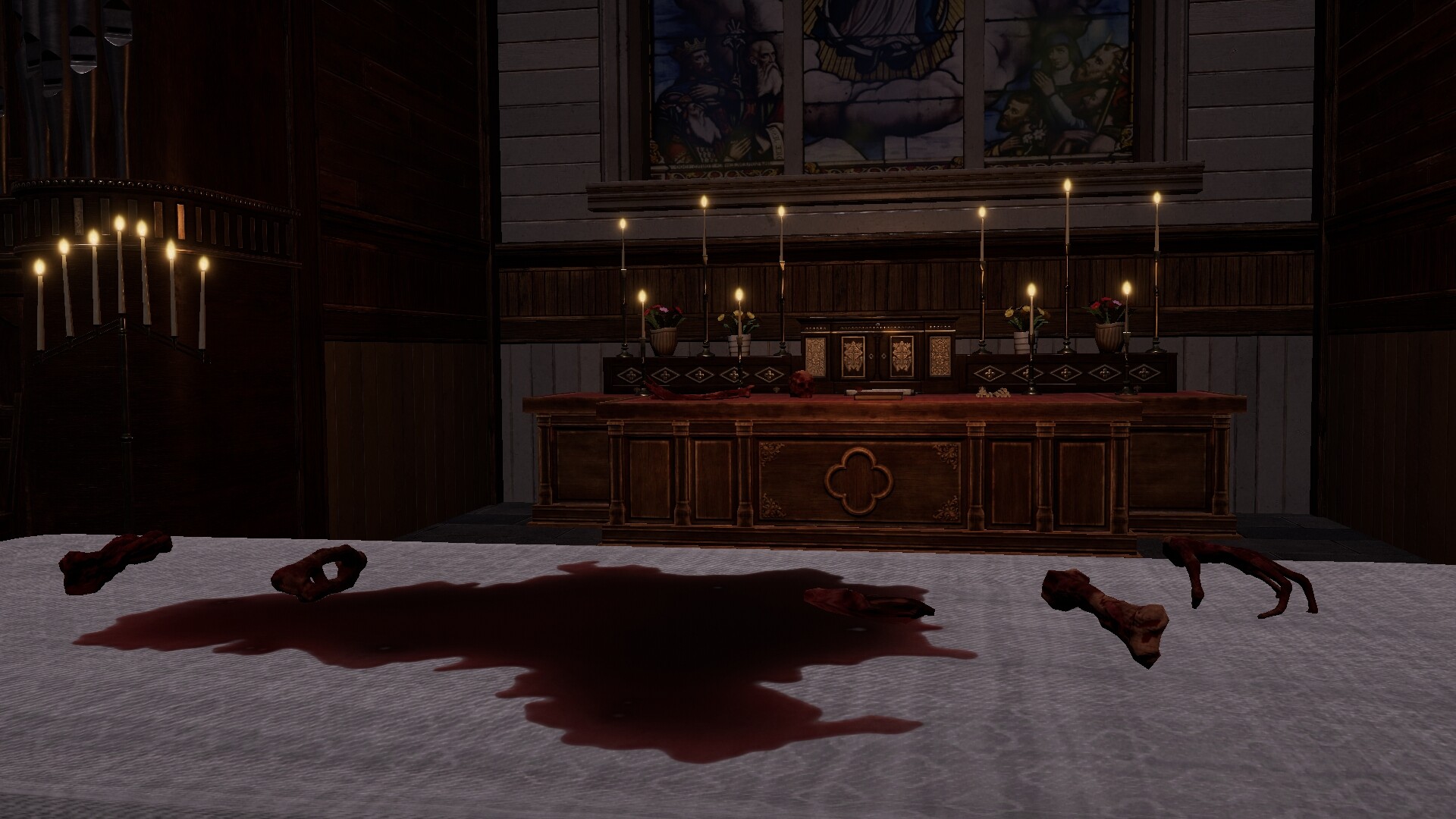
The mansion’s conceit — rooms staged as if occupants vanished, identities removed from personal effects, falsified records — encourages a particular kind of attention. Rather than being driven by cutscenes or overt narration, the official description suggests the story emerges through evidence you assemble: manifests, encrypted documents, and suspicious transfers. That naturally pushes players toward inspection‑heavy play and creates an investigative tone where object logic and context are the primary storytellers.
How progression feels: inspection, clue chains, and object logic
The Steam description explicitly links restoring infrastructure to unlocking new discoveries. Practically, that means the game uses environment→system→evidence chains: you restore power (environmental interaction) → a secured system reactivates (system-level change) → new compartments, safes, or logs become available (evidence). Solving puzzles will often require reading items in context — financial trails, falsified identities, and manifests are called out — so progression relies on connecting disparate clues rather than on a single key‑and‑lock mechanic.
Player scenarios: who gets the best mileage
- Slow, careful investigators: You enjoy photographing or cataloguing clues, re‑examining documents and furniture placement, and building timelines moment by moment.
- Environment‑first puzzle fans: You prefer puzzles that flow from exploration and object interactions instead of standalone brainteasers or reflex tests.
- Story players who tolerate ambiguity: You appreciate narrative inference from items and records rather than overt exposition.
- Accessibility‑minded single‑player gamers: The Steam categories indicate subtitle options and no required timed input, useful for more deliberate playstyles.
How Trace of the Villa compares to nearby mystery/puzzle titles
Below is an editorial comparison on lawful criteria: genre, atmosphere, puzzle focus, exploration style, story tone, and pacing. These entries are short, factual pointers to help readers match taste — not endorsements.
| Title | Genre / Core Focus | Puzzle / Exploration Emphasis | Atmosphere & Story Tone | Pacing / Player Fit |
|---|---|---|---|---|
| The Room | Adventure, Indie | Object‑centric safes and intricate mechanical puzzles | Mysterious, tactile, focused on a single locked chamber | Slow, tactile puzzle solving — good for players who like circumscribed, intensely detailed puzzles |
| The Room Two | Adventure, Indie | Sequential object puzzles across varied setpieces | Cryptic, atmospheric, expanding scope beyond one room | Measured progression with escalating setpiece puzzles |
| Escape Simulator | Adventure, Casual, Indie, Simulation | Highly interactive rooms, physics interactions, community rooms | Light puzzle‑workshop tone; many rooms range from playful to tense | Variable — built for short sessions and co‑op as well as solo play |
| Hi‑Fi RUSH | Action | Combat and rhythm mechanics, not inspection puzzles | High‑energy, stylized, music‑driven narrative | Fast, action‑oriented — different audience than inspection‑heavy mysteries |
| Football Manager 2022 | Simulation, Sports | Systems management and data interpretation rather than environmental puzzles | Simulation tone focused on realism and decisions | Slow, analytical but in a managerial rather than narrative sense |
Deciding checklist
If most of these apply, Trace of the Villa is likely a good match:
- You prefer assembly of narrative from objects and documents.
- You enjoy chained puzzles that open new areas by reactivating systems.
- You want single‑player exploration without timed pressure.
- You’re drawn to mansion mysteries and slow, psychological investigation tones.
YouTube discovery
If you want trailer or gameplay clips, use this YouTube search link (search/discovery path only): Trace of the Villa — YouTube search.
Where to wishlist or buy
Trace of the Villa is on Steam. If you’re ready to wishlist or open the store page, follow this link:
Leave a Reply