
Trace of the Villa — an escape-room–style mansion mystery built around restoring power and reading the scene
Trace of the Villa puts you in Jin’s shoes as he follows a cold lead to a decaying, cut‑off mansion and begins restoring power to a house that seems to have been deliberately erased. The core loop—bring systems back online, open previously inaccessible rooms, and reconstruct fragments of evidence—rewards locked‑room thinking, chained clues, and careful environmental reading.

What the game is
Trace of the Villa is a story‑rich, atmospheric mystery adventure from Steadyturtle Co., Ltd., released on 28 May, 2026 for Steam/PC. Officially described as an investigation that begins when Jin follows a lead to a remote mansion, the game blends action and adventure with an indie, puzzle‑forward design. The Steam page lists the title under genres Action, Adventure, Indie and categories including Single‑player, Color Alternatives, Custom Volume Controls, Playable without Timed Input, Subtitle Options, and Family Sharing.
Who it’s for
Trace of the Villa suits players who enjoy slow‑burn suspense and environmental storytelling rather than twitchy platforming or heavy combat. If you like locked‑room thinking (reasoning out how one sealed space connects to the next), chainable clues that force you to revisit areas with new tools or information, and a narrative that unfolds as systems and safes are reactivated, this is designed for you.
When and where
The game launched on 28 May, 2026 and is available on Steam for PC. Developer and publisher are both Steadyturtle Co., Ltd.
Why the restoring‑power theme matters
Restoring power is more than a set dressing: it’s the pacing device that drives exploration and reveals the mansion’s hidden infrastructure. The official description notes that “when Jin restores power to the estate, the house begins to reveal what it was hiding. Secured systems come back online. Hidden compartments unlock. Safes yield fragments of encrypted documents and suspicious transfer records.” That sequencing turns exploration into a detective rhythm—mechanical fixes create narrative yield, and each recovered fragment becomes the next clue in a chain.
How you progress: reading the environment and chaining clues
Progress in Trace of the Villa hinges on three overlapping skills:
- Environmental reading: furnished rooms that look “erased” still contain tactile hints—layouts, object placement, and missing elements—that push you to ask what was removed and why.
- Locked‑room logic: sealed doors and secured systems require you to reconstruct sequence: power → access → evidence. Unlocking one subsystem often changes the available interactions in another area.
- Clue chaining and reconstruction: recovered manifests, encrypted fragments, and transfer records are assembled into a timeline. The gameplay loop rewards revisiting previously inert systems with newly obtained keys or restored electricity.

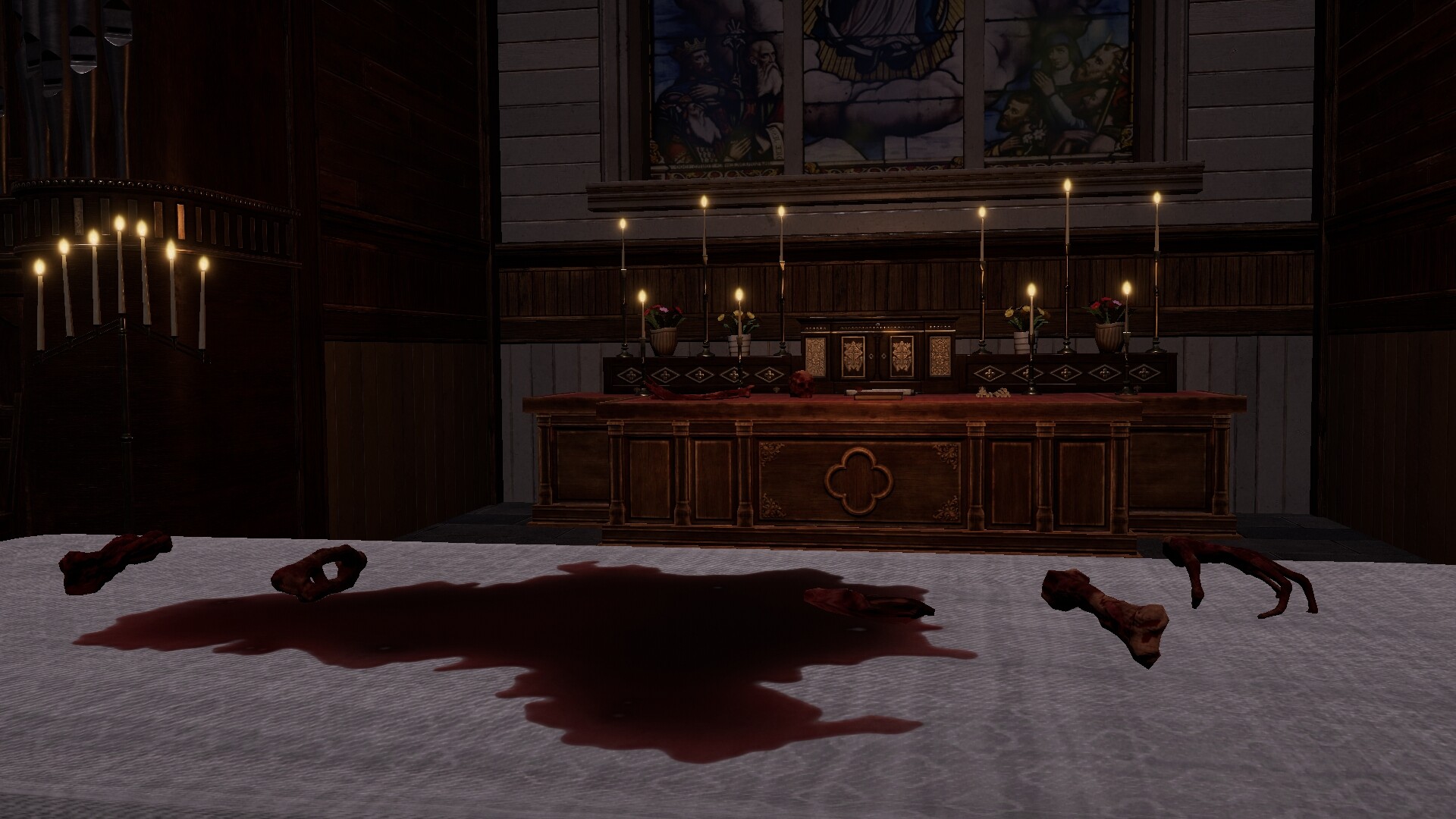
Compact facts — Trace of the Villa
| Title | Trace of the Villa |
|---|---|
| Steam AppID | 3483660 |
| Release date | 28 May, 2026 |
| Developer | Steadyturtle Co., Ltd. |
| Publisher | Steadyturtle Co., Ltd. |
| Genres | Action, Adventure, Indie |
| Key categories | Single‑player; Color Alternatives; Custom Volume Controls; Playable without Timed Input; Subtitle Options; Family Sharing |
| Official short premise | Jin searches for his missing sister in a remote, decaying mansion and recovers manifests and hints that she may still be alive. |
How it compares — quick editorial table
A brief editorial comparison on atmosphere, puzzle style, and pacing to help decide fit.
| Title | Genre / Tone | Puzzle / Interaction focus | Pacing & player fit |
|---|---|---|---|
| Trace of the Villa | Action / Adventure / Indie — mansion mystery, slow‑burn suspense | Locked‑room logic, power restoration opens new spaces and evidence fragments | Slow‑to‑moderate; for players who like environmental storytelling and chained clues |
| The Room | Adventure / Indie — intimate, tactile mystery | Single‑space mechanical puzzles with intricate locks and objects to examine | Measured, puzzle‑centric; ideal for players who enjoy handcrafted mechanical puzzles |
| The Room Two | Adventure / Indie — atmospheric, cryptic rooms | Sequential, interlocking puzzle events across distinct setpieces | Slow, focused puzzle flow; for players who want layered mechanical mysteries |
| Escape Simulator | Adventure / Casual / Indie — playful escape‑room interaction | Highly interactive rooms, physics and object manipulation, community levels | Variable pacing; best for players who enjoy tactile experimentation and replayable rooms |
| Hi‑Fi RUSH | Action — music‑driven, upbeat | Combat and rhythm‑linked interactions, less focus on environmental clue chains | Fast, kinetic; for players seeking action and momentum rather than slow investigation |
Leave a Reply