
Trace of the Villa: a story-first mansion mystery for clue-driven explorers
Jin arrives at a remote, decaying mansion with one thing on his mind: the trail that might lead to his missing sister. Trace of the Villa (Steadyturtle Co., Ltd., released 28 May, 2026) foregrounds environmental storytelling and encrypted fragments — the kind of slow-burn mystery design that asks players to read the house as a character.

Who this is for
If you prefer story-first mystery design over action spectacle, this one targets you: players who enjoy atmospheric mystery adventure, slow-burn suspense, and narrative puzzle design. It will appeal to people who like reading environments for meaning, parsing fragmented documents, and following an emotional throughline (a sibling search) rather than pure combat or speedrunning.
What the game is
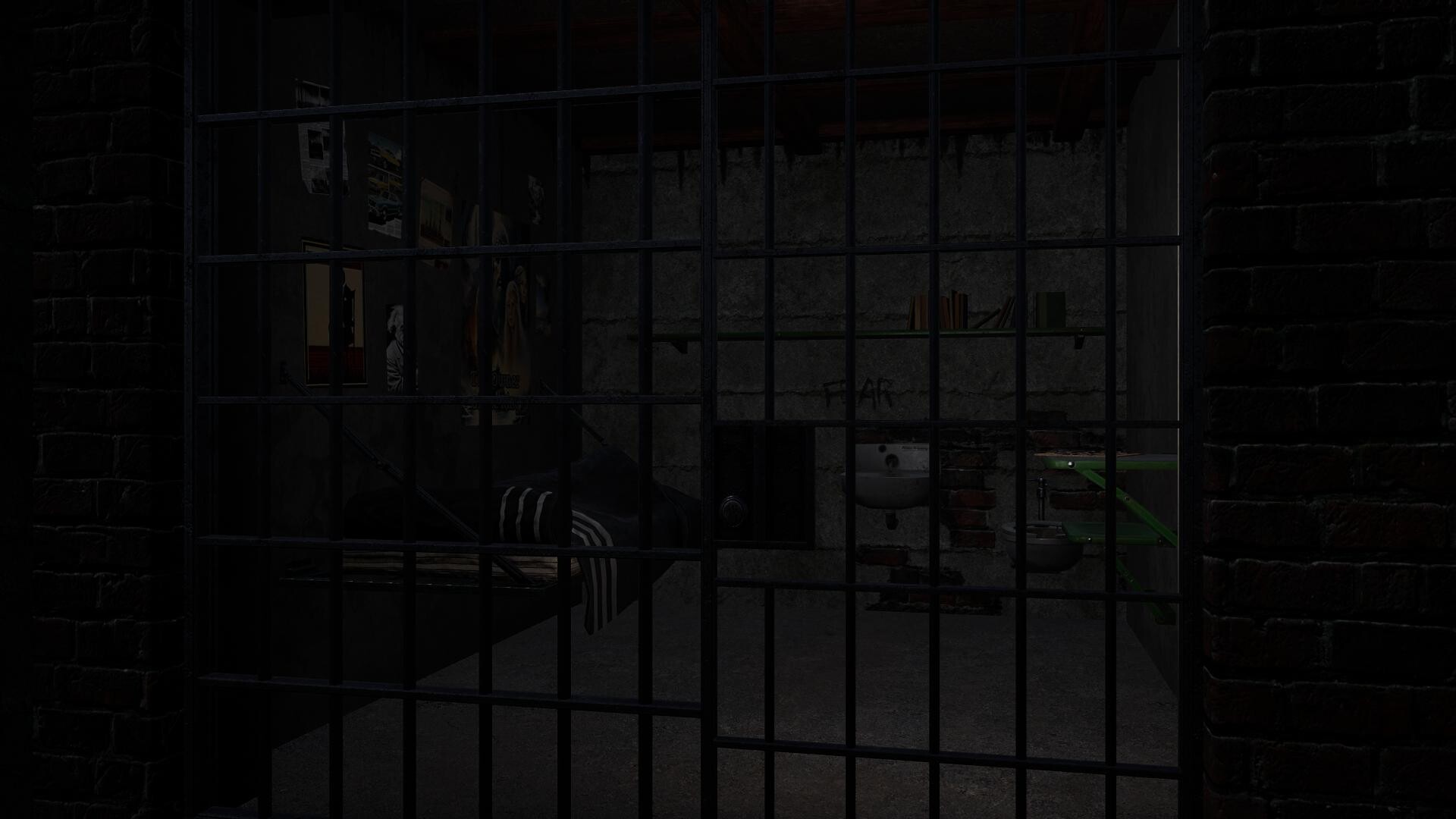
Trace of the Villa is an Action / Adventure / Indie title from Steadyturtle Co., Ltd. The protagonist, Jin, has spent years searching for his missing sister; following a lead brings him to a deliberately forgotten mansion where manifests and hints indicate she may still be alive. The estate feels “erased”: rooms frozen mid-routine, personal belongings with no names or photos, and systems that must be restored so the house will reveal what it was hiding.
The official description describes restoring power, unlocking hidden compartments and safes, and uncovering encrypted documents and suspicious transfer records — design beats that point to clue-driven exploration and environmental storytelling as the primary ways the player pieces the mystery together.
When and where: Steam details
Trace of the Villa released 28 May, 2026 on Steam. Developer and publisher: Steadyturtle Co., Ltd. It’s listed with tags/genres Action, Adventure, Indie and categories that include Single-player, Color Alternatives, Custom Volume Controls, Playable without Timed Input, Subtitle Options, and Family Sharing — which signals basic accessibility and single-player, narrative focus on PC.
Why the theme matters
The game’s central conceit—an estate that looks lived-in but lacks identity markers—foregrounds questions about memory, identity erasure, and controlled movement of people. Because the plot hooks on an emotionally specific personal search (Jin’s sister), the mystery isn’t just “what happened here?” but “who matters enough to hide?” That personal stake reframes environmental puzzles into emotional evidence: a recovered manifest, an encrypted transfer, or a locked door become beats of a family story as much as game mechanics.
How players uncover meaning
According to the official description, progression is driven by investigation beats that feel forensic and domestic rather than purely mechanical:
- Restore power and systems so previously inert parts of the mansion react—this unlocks new interactions and reveals hidden compartments.
- Recover manifests, transfer records, and encrypted document fragments that stitch together a timeline and expose falsified identities or controlled transfers.
- Solve puzzles and open safes or secured systems to follow financial or administrative trails that don’t lead where they should — the core loop is reading traces, solving environmental puzzles, then following the next lead.
Because the Steam listing includes “Playable without Timed Input” and “Subtitle Options,” expect a measured pace and accessibility-friendly options that support focused examination rather than reflex-based encounters.
Quick facts
| Title | Trace of the Villa |
|---|---|
| Developer / Publisher | Steadyturtle Co., Ltd. |
| Release date | 28 May, 2026 |
| Genres | Action, Adventure, Indie |
| Steam categories | Single-player; Color Alternatives; Custom Volume Controls; Playable without Timed Input; Subtitle Options; Family Sharing |
| Official premise | Jin searches a remote, decaying mansion for signs that his missing sister may still be alive; restoring the house reveals encrypted manifests, hidden compartments, and a carefully concealed operation. |
Player scenarios — who should wishlist it
- Environmental readers: You enjoy piecing a narrative from rooms, notes, systems, and context clues rather than direct exposition.
- Slow-burn mystery fans: If you prefer pacing that lets tension accumulate and meaning emerge, this game’s investigative loop will suit you.
- Puzzle explorers with empathy: Players who care about the human stakes behind each clue (family, identity, disappearance) will find stronger narrative rewards than players looking for constant action.
- Accessible single-player preference: The available categories (subtitles, color alternatives, no timed input) make this a reasonable pick for players who prefer to take the investigation at their own pace.
How it differs from nearby mystery/adventure titles
This is a story-first mansion mystery that leans into forensics of place and paperwork (manifests, transfer records, encrypted documents) rather than purely supernatural spectacle or time-loop mechanics. The emphasis is on reconstructing erased identities through domestic and administrative traces, which shapes both puzzle design and emotional payoff.

Comparison: how Trace of the Villa sits among story-driven mysteries
| Title | Core focus | Atmosphere / Tone | Puzzle vs. Exploration | Pacing |
|---|---|---|---|---|
| Trace of the Villa | Document-led mansion investigation; family search | Decaying, erased domestic spaces; personal stakes | Environmental puzzles, locked systems, forensic reading | Measured, investigative |
| Inscryption | Card-based odyssey blending puzzles and meta-horror | Inky, uncanny, often grotesque | Card mechanics + escape-room style puzzles | Variable; often tense and compressed |
| Outer Wilds | Open-world cosmic mystery about a looping solar system | Wonderous, melancholy, exploratory | Exploration-driven puzzles, observational mechanics | Gradual, discovery-led (time-loop scaffolding) |
| The Forgotten City | Narrative time-loop adventure focused on moral mystery | Ancient, philosophical, investigative | Puzzle and dialogue/choice mix to uncover cause | Deliberate, story-led |
| The Medium | Psychological horror with dual-reality exploration | Haunting, melancholic, eerie | Puzzle elements framed by shifting realms | Steady, atmospheric |
| Journey | Pilgrimage-style exploration focused on mood and movement | Sparse, contemplative, elegiac | Environmental navigation over explicit puzzles | Unhurried, emotive |
Use this table to judge fit: Trace of the Villa aligns closest with exploration-led mysteries that reward careful reading of place and administrative traces rather than mechanical spectacle or broad-scale cosmic reveals.
Where to watch trailers and gameplay
Search YouTube for trailers and gameplay footage using this discovery link (this is a search/discovery path; it may return official or fan videos): View Trace of the Villa on Steam
YouTube discovery
For trailer and gameplay discovery, use YouTube search rather than relying on unverified embeds: Find Trace of the Villa trailer and gameplay searches on YouTube.
Leave a Reply