
Trace of the Villa — an escape-room style mystery built from power, safes and buried systems
Trace of the Villa places you in a decaying, off-the-grid mansion as Jin, a search that began with manifests and hints pointing to a missing sister that might still be alive. The game leans on environmental storytelling and locked-room mechanics: restore power, bring secured systems back online, and follow chains of clues through safes, documents and hidden compartments to assemble a timeline.

Quick facts
| Title | Trace of the Villa |
|---|---|
| Steam AppID | 3483660 |
| Release date | 28 May, 2026 |
| Developer / Publisher | Steadyturtle Co., Ltd. |
| Genres | Action, Adventure, Indie |
| Categories / features | Single-player; Color Alternatives; Custom Volume Controls; Playable without Timed Input; Subtitle Options; Family Sharing |
| Official short premise | Jin has spent years searching for his missing sister, pursuing leads that took him to a remote, decaying mansion where he recovered manifests and hints that indicate his sister may still be alive, somewhere at the end of the trail he is about to follow. |
Who should wishlist Trace of the Villa?
If you favour slow-burn suspense, patient environmental reading and puzzle design that rewards chaining discoveries, this is a natural fit. Bring this to your list if you enjoy:
- single-player mystery adventures that prioritise atmosphere over action set-pieces;
- locked-room thinking and interplay between systems (power, safes, secured terminals) and physical clues;
- investigative pacing—reading manifests, encrypted fragments and transfer records to reconstruct a hidden operation;
- games that lean on exploration and inference rather than timed reflex tests (the Steam listing notes the game is playable without timed input).
What the game actually is — premise and official mechanics
Trace of the Villa is built around a single narrative arc: Jin’s search for his sister leads to a property historically cut off from the grid and “deliberately forgotten.” The mansion’s environment is presented as if occupants vanished mid-routine—furnished rooms but removed identities—so reading the scene matters as much as solving individual puzzles.
The official description highlights a handful of concrete mechanics that shape progression and puzzle structure:
- restoring power to the estate is a gameplay trigger—secured systems begin to reveal information once electricity returns;
- locked doors and hidden compartments are key: safes yield fragments of encrypted documents and suspicious transfer records;
- manifests and hints recovered in the house create the chain of evidence that suggests people were moved through the property under strict control.
Together, these elements frame Trace of the Villa as an environmental, clue-driven exploration where systems (power, safes, terminals) and documents interlock to reveal the story.
When and where — Steam / PC context
Trace of the Villa launched on Steam on 28 May, 2026. Developer and publisher credits on the Steam page list Steadyturtle Co., Ltd.. The Steam feature set includes single-player support, subtitle options, color alternatives and accessibility-friendly settings such as custom volume controls and being playable without timed input.

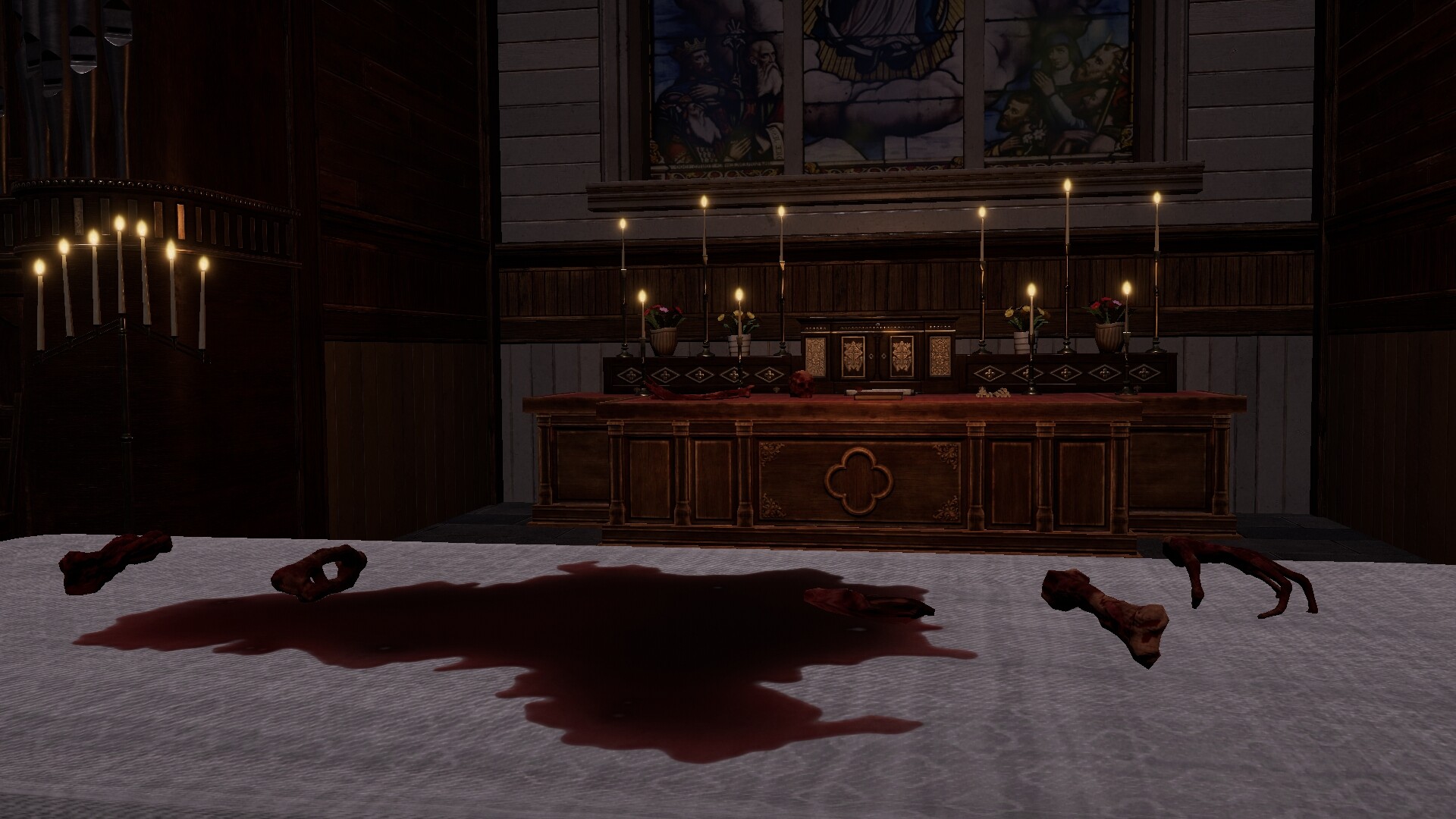
How you progress — reading clue chains and environmental systems
Progress relies on a cycle that will feel familiar to fans of escape-room style games but with an emphasis on systems and documents as much as mechanical contraptions:
- observe rooms staged as if left mid-routine to collect physical cues and manifests;
- restore power or access a secured terminal to unlock a subsystem that in turn reveals more locations or opens safes;
- retrieve documents and encrypted fragments from safes and locked compartments; those fragments form clue chains — dates, transfers, and falsified identities are the connective tissue;
- use the reconstructed timeline to locate next objectives and to understand the wider operation hinted at by the house’s setup.
Because safes, secured systems and documents are explicitly part of the official description, expect puzzles that blend inventory and environmental logic with information forensics: the game rewards attention to how one discovery changes what systems become available next.
Player scenarios — who will enjoy what
Solo investigator (slow-burn)
You prefer methodical play, reading room detail and assembling narratives from fragments. You’ll value how restoring power becomes a narrative device that opens new lines of inquiry.
Puzzle-first explorer
You like locked safes, terminals and chained puzzles. Look for the satisfaction of cracking an encrypted fragment only to reveal the next locked subsystem.
Story-driven environmentalist
You come for mood and implication. The mansion’s “erased” identities and the manifests suggest a darker operation; you’ll be engaged by slow reveals rather than constant action.
How Trace of the Villa compares to nearby mystery/puzzle games
Below is a practical editorial comparison across lawful criteria: genre, atmosphere, puzzle focus, exploration style, story tone and pacing.
| Game | Genre / Focus | Puzzle style | Atmosphere & Pacing | Player fit |
|---|---|---|---|---|
| Trace of the Villa | Action / Adventure / Indie — mystery, system-driven | Locked safes, secured systems, document forensics | Slow-burn, mansion mystery with environmental storytelling | Players who like clue chains and investigation via systems |
| The Room | Adventure / Indie — tactile puzzle box | Mechanical puzzle boxes and single-room contraptions | Concentrated, intimate, puzzle-box tension | Players who want focused mechanical puzzles over wider exploration |
| The Room Two | Adventure / Indie — expanded puzzle-box exploration | Layered mechanical puzzles across connected spaces | Still intimate, with creeping atmosphere and escalating mystery | Fans of the first but wanting broader scope |
| Escape Simulator | Adventure / Simulation / Indie — interactive escape rooms | Highly interactive object puzzles, physics, community rooms | Bright, playful or tense depending on room creator; variable pacing | Players who enjoy physical interaction and co-op or community content |
| Hi‑Fi RUSH | Action — rhythm-driven combat/adventure | Action-based systems synced to music | Fast, kinetic, upbeat—not a mystery focus
Steam pageView Trace of the Villa on Steam YouTube discoveryFor trailer and gameplay discovery, use YouTube search rather than relying on unverified embeds: Find Trace of the Villa trailer and gameplay searches on YouTube. CommentsMore posts |
Leave a Reply