
Trace of the Villa — a slow-burn mansion mystery where clues and objects narrate the truth
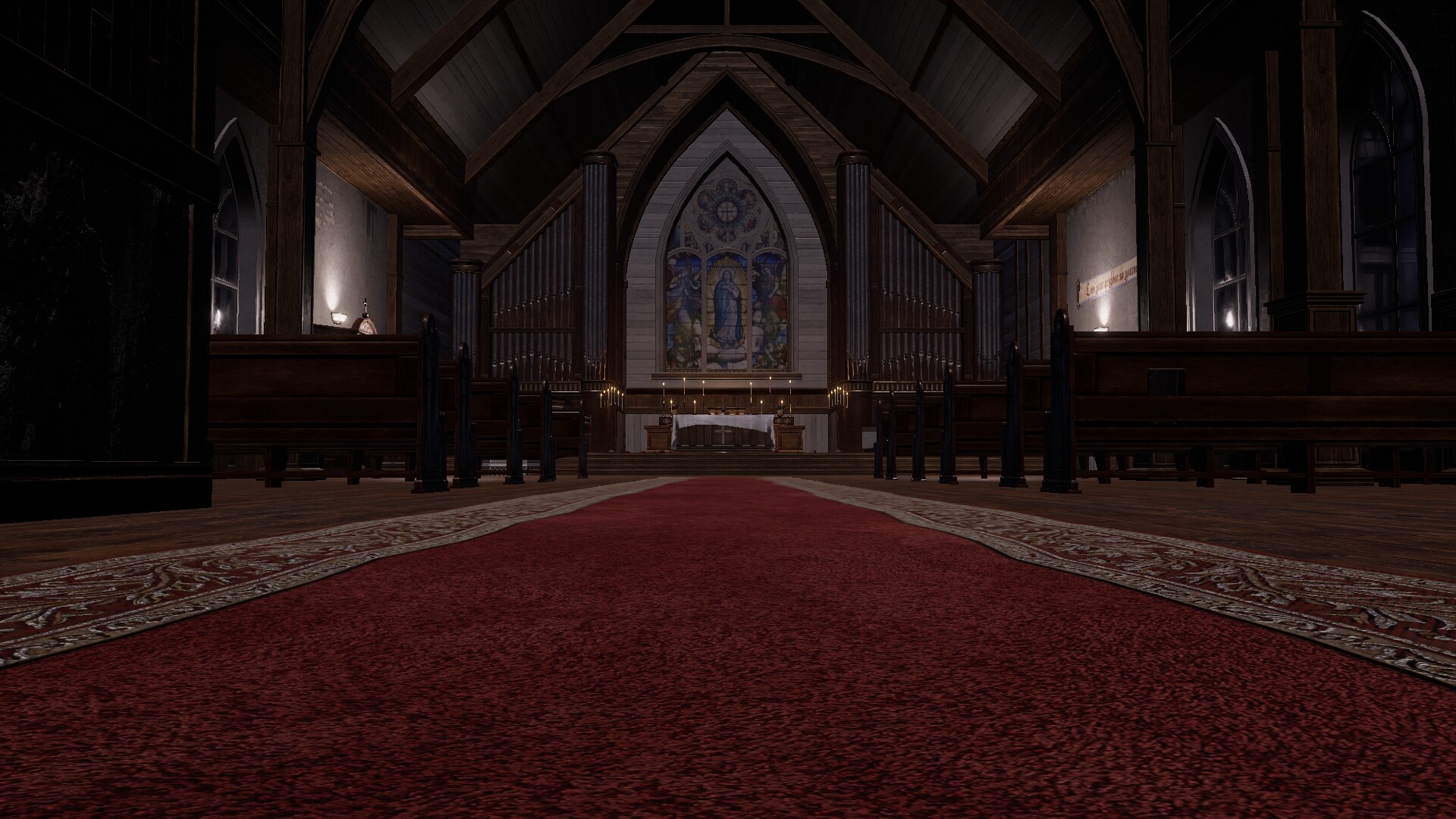
Trace of the Villa places you in Jin’s shoes as he follows a cold lead to a remote, decaying mansion and begins restoring power to a house that seems to have had identities erased. Released on 28 May, 2026 by Steadyturtle Co., Ltd., the game frames investigation through environmental storytelling, locked systems and physical evidence rather than combat spectacle.

What Trace of the Villa is — and how its puzzles tell a story
At its core, Trace of the Villa is an action-adventure indie built around investigative, narrative puzzle design. The official synopsis lays out the structure: Jin recovers manifests and hints inside an off-grid mansion; when he restores power, “secured systems come back online,” hidden compartments and safes reveal fragments of encrypted documents and suspicious transfer records. Puzzles are an explicit means of exposition — solving environmental locks and reactivating systems peels away layers of a concealed operation rather than spotlighting standalone puzzle set‑pieces.
When and where — Steam details
Trace of the Villa launched on 28 May, 2026 and is available on Steam. It is developed and published by Steadyturtle Co., Ltd., and is listed under Action, Adventure, and Indie genres with single-player and accessibility-friendly categories such as Playable without Timed Input, Subtitle Options, Color Alternatives, and Custom Volume Controls.
Who this is for — player-fit scenarios
Not every mystery player wants the same things. These scenarios should help you decide whether to wishlist Trace of the Villa:
- Clue readers: You prefer narrative extracted from documents, systems and object arrangement rather than explicit narrator summaries. The game surfaces manifests, encrypted fragments and transactional evidence as rewards for solving puzzles.
- Environmental storytellers: You enjoy spaces that feel lived-in (or deliberately unmade) — rooms “frozen mid-routine” and missing identities are part of the design language here.
- Slow-burn mystery fans: If you like revelations that arrive through methodical reconstruction (restoring power, watching systems return, unlocking compartments), this pacing will suit you.
- Accessibility-conscious PC players: Steam categories include Subtitle Options, Playable without Timed Input, Color Alternatives and Custom Volume Controls — useful if you value those settings when playing story-driven puzzles.
- Less for action-first players: Although listed under Action, the promotional materials emphasise investigation and reconstruction over reflex-based challenges; expect puzzle-led progression rather than twitch encounters.
How you read clues and make progress
The official description describes several recurring mechanics as story devices: restoring power to the estate causes secured systems to reactivate; hidden compartments unlock; safes yield encrypted documents and suspicious financial records. From that we can describe the investigative loop: locate an obstacle (dead systems, locked doors), use environmental clues or recovered items to reactivate or bypass it, then analyse newly revealed documents to map a trail that advances both puzzles and the narrative. Puzzles therefore serve dual roles — gatekeeping new areas and progressively revealing the mansion’s role in a larger, concealed operation.
Concrete facts
| Title | Trace of the Villa |
|---|---|
| Steam App ID | 3483660 |
| Developer / Publisher | Steadyturtle Co., Ltd. |
| Release Date | 28 May, 2026 |
| Official short description | Jin has spent years searching for his missing sister, pursuing leads that took him to a remote, decaying mansion where he recovered manifests and hints that indicate his sister may still be alive, somewhere at the end of the trail he is about to follow. |
| Genres / Categories | Action, Adventure, Indie — Single-player; Color Alternatives; Custom Volume Controls; Playable without Timed Input; Subtitle Options; Family Sharing |
| Steam reviews | No user reviews (as listed on Steam) |

How it compares — short editorial table
Below are lawful editorial comparisons on puzzle focus, atmosphere and the kind of player likely to enjoy each experience.
| Title | Genre / Atmosphere | Puzzle & Exploration Focus | Player fit |
|---|---|---|---|
| The Room | Adventure, Indie — tactile, singular-chamber mysteries | Physics-y, mechanical puzzle boxes; close inspection and object manipulation | Players who like tightly controlled, object-based puzzles and tactile problem-solving |
| The Room Two | Adventure, Indie — expanded, atmospheric puzzle sequences | Multi-stage puzzle environments that build on object logic and layered mechanisms | Players who enjoy gradual escalation in puzzle complexity and atmosphere |
| Escape Simulator | Adventure / Casual / Indie — interactive escape-room style | Highly interactive rooms, physics interactions, community rooms and co-op options | Players who want object interaction, puzzle variety and social/cooperative play |
| Unpacking | Casual, Indie — zen, narrative through objects and placement | Puzzle-lite, spatial organization that reveals personal story via possessions | Players who prefer low-pressure, story-through-objects and domestic atmosphere |
| Trace of the Villa | Action / Adventure / Indie — slow-burn mansion mystery | Document-based clues, reactivating systems, hidden compartments and safes that reveal narrative fragments | Players who want investigative pacing, environmental storytelling and clue-driven narrative |
These comparisons are editorial discovery, intended to map style and player fit rather than rank or endorse.
YouTube discovery and trailers
If you want to see footage or trailers, use this YouTube search path (results may include gameplay and trailer uploads; not all videos are verified official): Search Trace of the Villa on YouTube.
Verdict — who should wishlist it
Wishlist Trace of the Villa if you’re drawn to psychological investigation that relies on reading manifests, decrypting fragments and reactivating estates to learn the truth. If you want rapid-action or highly social puzzle experiences, this leans toward quieter, investigative pacing driven by environmental detail and document analysis. The Steam listing highlights accessibility options and single-player focus, which helps players who prefer control over pacing and readability.
Leave a Reply