
Trace of the Villa — an inspection-heavy mansion mystery for clue readers
Trace of the Villa drops players into a decaying mansion where Jin follows manifests and encrypted fragments to determine whether his missing sister might still be alive. Released on 28 May, 2026 and developed/published by Steadyturtle Co., Ltd., the game leans into environmental puzzles, object logic, and slow-burn, clue-driven exploration.

Quick facts
| Title | Trace of the Villa |
|---|---|
| Steam AppID | 3483660 |
| Release date | 28 May, 2026 |
| Developer / Publisher | Steadyturtle Co., Ltd. |
| Genres | Action, Adventure, Indie |
| Key categories | Single-player; Color Alternatives; Custom Volume Controls; Playable without Timed Input; Subtitle Options; Family Sharing |
| Premise (official) | Jin has spent years searching for his missing sister, pursuing leads that took him to a remote, decaying mansion where he recovered manifests and hints that indicate his sister may still be alive, somewhere at the end of the trail he is about to follow. |
Who should wishlist this
- Players who prefer inspection-heavy puzzle play: the Steam metadata and official description emphasize careful searching, restoring systems, and unlocking safes and hidden compartments rather than twitch reactions.
- Fans of atmospheric mystery adventures and mansion-set stories that reward environmental reading and patient deduction.
- Solo players who value accessibility options (subtitle support, color alternatives, and custom volume controls) and a single-player, narrative puzzle loop.
What the game actually is
Trace of the Villa positions Jin as an investigator piecing together a deliberately erased residence. As power is restored, secured systems and safes yield encrypted fragments, transfer records, and manifests. Puzzle progression is described in ways that imply chained clues and layered reveals: solving one container or system opens another — a design that privileges object logic and environmental context over inventory spam or random-key hunts.
When and where
The game is available on Steam for PC; official release date: 28 May, 2026. The Steam store page lists genres as Action, Adventure, Indie and the categories above; it’s presented as a single-player experience with quality-of-life options helpful to inspection-heavy play.
Why the theme matters
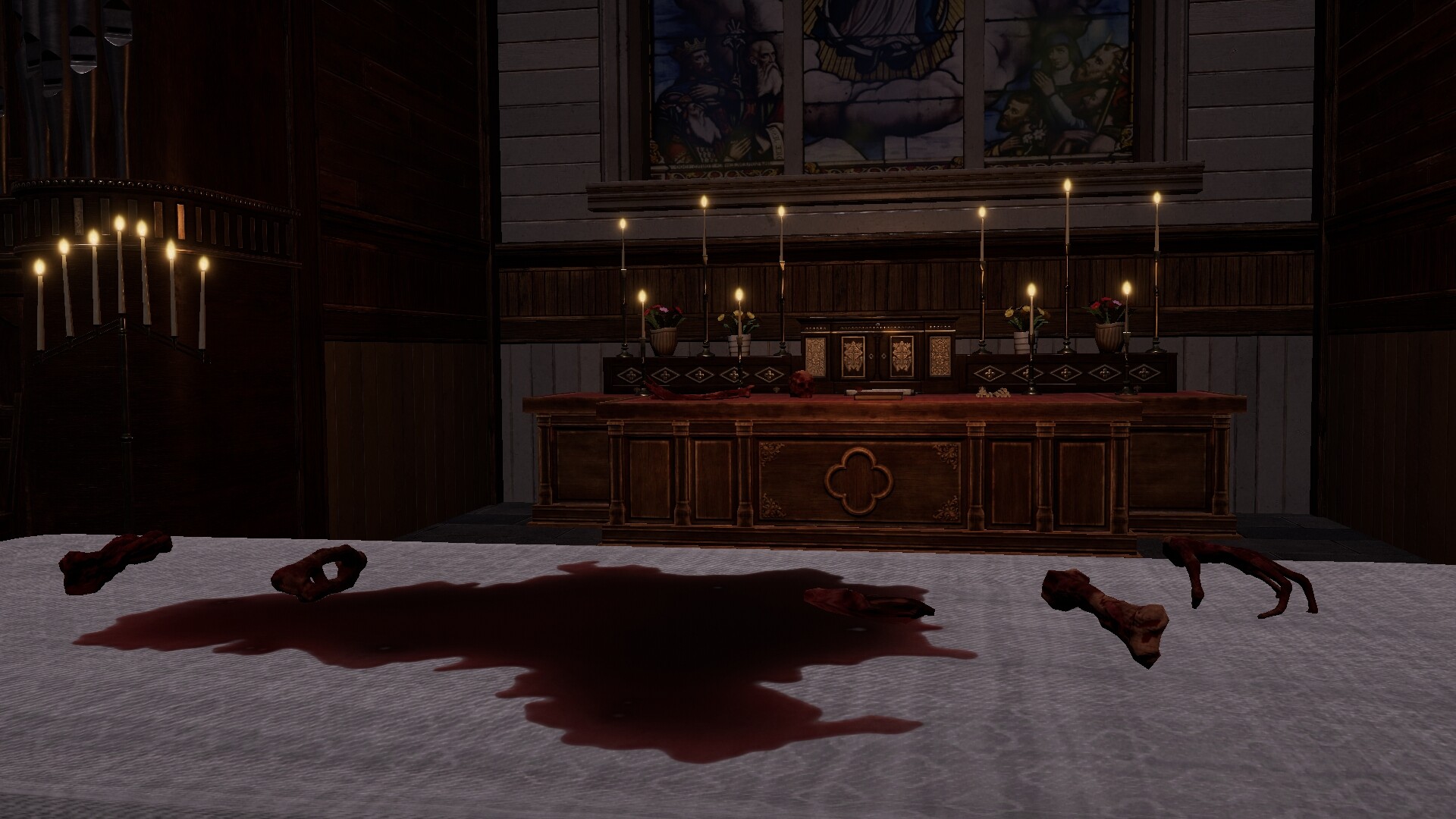
This is psychological investigation wrapped in a mansion mystery: the house feels “less abandoned than erased,” with personal items left without names, photographs, or histories. That deliberate removal of identity pushes the player to rely on objects and context to assemble narrative meaning — exactly the space where environmental puzzle design and object logic create tension and storytelling. If you enjoy narrative puzzles that surface story through solved objects, this is the premise that supports that style.
How you read clues and progress
According to the official description, progression is built on layered discovery: restoring power brings systems back online, safes and hidden compartments open, and encrypted documents appear. That implies several practical puzzle modes: pattern recognition across physical props, cross-referencing manifest fragments, and using environmental state changes (lights, powered devices, unlocked panels) to access new information. The inclusion of “playable without timed input” signals the design favors careful inspection over time pressure — a plus for players who like to methodically test hypotheses.
Screenshots: environmental detail and object logic

Player scenarios — who will enjoy it (and who might not)
- Inspection-first investigator: You relish tracing clues across rooms, cataloguing objects, and cross-referencing fragments. The game’s chained reveal structure and no-timed-input support suit you.
- Story-oriented puzzler: You want narrative beats to emerge from what you find, not through heavy-handed cutscenes. The mansion’s erased identities and recovered manifests create that mode of storytelling.
- Atmosphere over action: If you prefer slow-burn exploration and environmental storytelling, Trace of the Villa fits. If you want fast combat or arcade pacing, the emphasis here is different.
- Accessibility-minded players: The categories list features like subtitle options, color alternatives, and custom volume controls — useful for players who need those settings to pace inspection.
How it compares to other clue-driven puzzle games
| Title | Core puzzle focus | Atmosphere / setting | Exploration style | Story tone / pacing | Player fit |
|---|---|---|---|---|---|
| Trace of the Villa | Object logic, environmental chains, restoring systems and safes | Decaying mansion; erased identities; investigative | Single-player, inspection-heavy, slow-burn | Psychological investigation; methodical unraveling | Players who read environments and follow clue chains |
| The Room | Intricate mechanical puzzles centered on a single safe/box | Closed, intimate mysterious chamber | Focused, box-by-box examination | Cryptic, tactile puzzles with escalating reveals | Players who enjoy tight object puzzles and tactile fiddling |
| The Room Two | Mechanical and lateral puzzles across small, connected locations | Halls of a long-forgotten crypt; moody and uncanny | Linear scene-to-scene puzzle progression | Slow, atmospheric uncovering of a larger mystery | Those who liked the original but want broader locales |
| Escape Simulator | Highly interactive room objects, sandbox puzzle solving | Varied (many themed rooms) with playful physicality | Move furniture, combine items; supports co-op | Faster, often community-created pacing; less single narrative focus | Players who enjoy tactile interaction and community rooms |
Leave a Reply