
Who should consider Trace of the Villa after enjoying atmospheric mystery adventures?
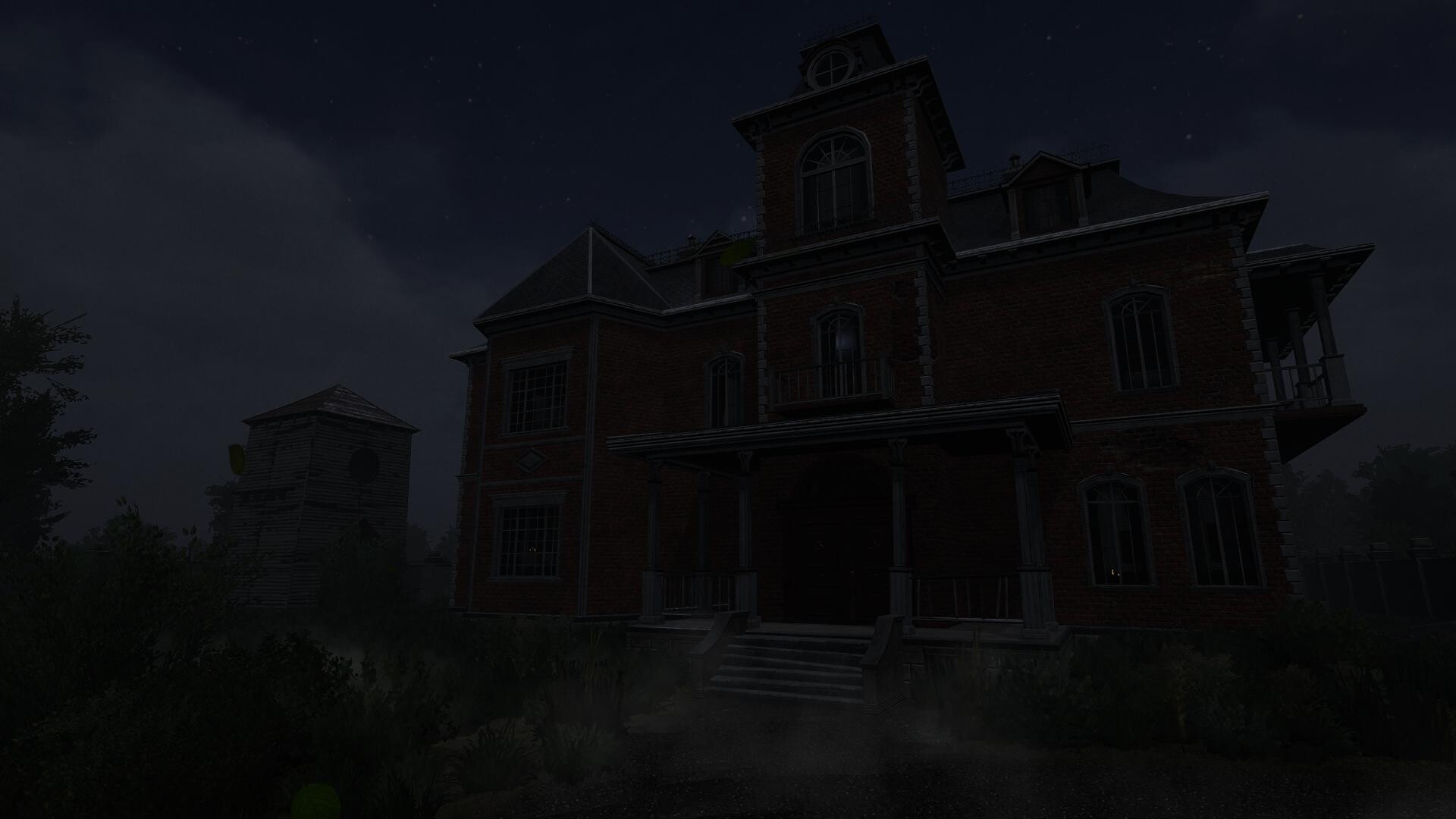
Trace of the Villa places you in Jin’s shoes as he follows a cold trail to a remote, decaying mansion—restoring power, unlocking secrets, and piecing together financial and identity puzzles that hint his missing sister may still be alive. Released on 28 May, 2026 by Steadyturtle Co., Ltd., the game presents a story-led, clue-driven investigation inside a deliberately forgotten estate.

At a glance
| Title | Trace of the Villa |
|---|---|
| Steam AppID | 3483660 |
| Release date | 28 May, 2026 |
| Developer / Publisher | Steadyturtle Co., Ltd. |
| Official short description | Jin has spent years searching for his missing sister, pursuing leads that took him to a remote, decaying mansion where he recovered manifests and hints that indicate his sister may still be alive, somewhere at the end of the trail he is about to follow. |
| Genres | Action, Adventure, Indie |
| Steam categories | Single-player; Color Alternatives; Custom Volume Controls; Playable without Timed Input; Subtitle Options; Family Sharing |
| Steam reviews (public) | No user reviews listed on Steam at time of writing |
What Trace of the Villa actually is
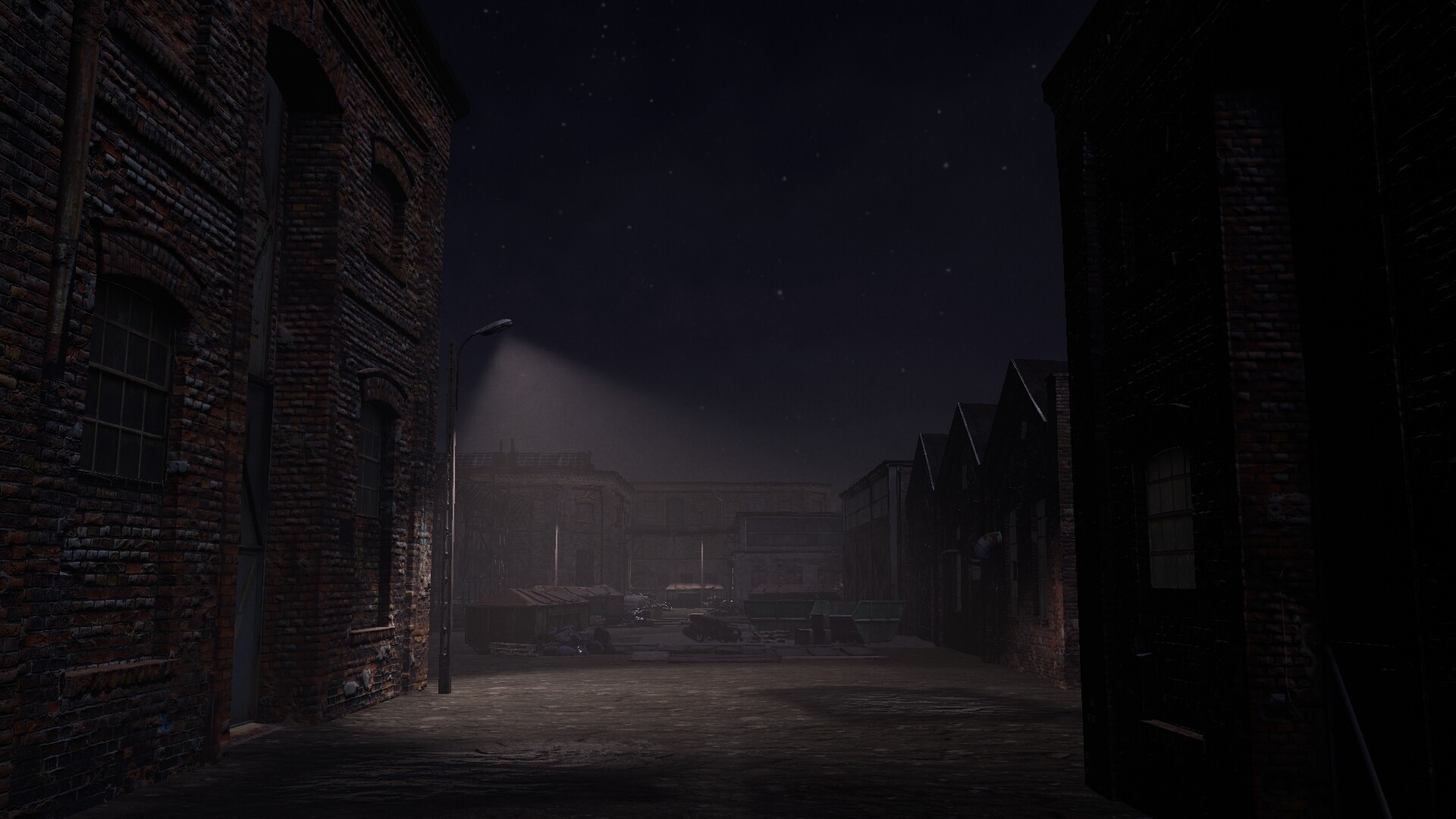
Trace of the Villa is a story-first, environmental mystery set inside a house that feels “erased.” The official narrative describes Jin restoring estate systems, accessing safes and encrypted fragments, and uncovering falsified identities and suspicious transfer records. Where the mansion initially reads as abandoned, playing the game will progressively reveal an organized operation hidden behind the wallpaper—financial trails, locked doors, and engineered absences that form the core investigative beats.
Who should wishlist or pick this up
- Players who prefer atmospheric mystery adventures that reward patience and close reading of environmental detail.
- People who enjoy clue-driven exploration and piecing together narrative from documents, logs, and restored systems rather than combat-heavy encounters.
- Fans of slow-burn, investigator-led stories—those who like to reconstruct timelines from fragments and appreciate rooms staged as if people left mid-routine.
- PC players looking for a single-player indie experience with subtitle options and accessibility choices like color alternatives and “playable without timed input.”
When and where
Trace of the Villa launched on Steam on 28 May, 2026. It’s a PC-focused Steam release by Steadyturtle Co., Ltd.; the Steam store page lists the game’s genres as Action, Adventure, and Indie and highlights single-player and accessibility categories.
Why the mansion theme matters
Mansion mysteries endure because they concentrate traces of lived life into a bounded space. The official description emphasises rooms frozen “mid-routine” and missing identity markers; that framing shifts the game from jump-scare horror to a psychological investigation of absence. If you value environmental storytelling—objects that imply backstory rather than explicit cutscenes—this tonal choice matters: discoveries feel forensic rather than theatrical, and narrative progression comes from assembling disparate fragments into a plausible account.
How progression, clues, and pacing work (editorial reading)
According to the official premise, progression leans on restoring estate systems and decrypting documents. Expect a pacing rhythm that alternates between careful inspection (finding manifests, reading transfer records) and mechanical interaction (powering the estate, opening safes). The presence of subtitle options and “playable without timed input” indicates an accessibility-aware approach—puzzles and exploration are likely designed to reward slow, deliberate play rather than reflex challenges.
Comparison: where Trace of the Villa sits among similar titles
Below is a practical editorial comparison based on tone, pacing, clue focus, and exploration style. These comparisons are discovery-oriented; they use publicly available descriptors for each title to help you decide which experience aligns with your preferences.
| Title | Release Date | Tone | Pacing | Puzzle / Exploration Focus |
|---|---|---|---|---|
| Trace of the Villa | 28 May, 2026 | Atmospheric, investigation-led, psychological hints of organized erasure | Slow to medium — document and system-driven reveals | Clue-driven exploration, decrypting documents, restoring systems |
| Amnesia: The Dark Descent | 8 Sep, 2010 | Immersive survival horror | Slow, tension-building with spikes of panic | Environmental immersion, stealth/survival mechanics and discovery |
| SOMA | 21 Sep, 2015 | Sci‑fi existential horror | Deliberate, narrative-heavy with scripted set-pieces | Exploration and story puzzles, philosophical framing of clues |
| Layers of Fear (2016) | 15 Feb, 2016 | Psychological, surreal Victorian mansion | Slow, episodic and shifting environment | Exploratory storytelling with changing architecture and puzzles |
| The Room | 28 Jul, 2014 | Mysterious, tactile puzzle box atmosphere | Measured, puzzle-focused | Dense mechanical puzzles in contained spaces |
| Rusty Lake Hotel | 29 Jan, 2016 | Dark, surreal point-and-click | Compact, puzzle-chapter pacing | Point-and-click puzzles with narrative vignettes |
How to use this comparison to decide
- If you liked the psychological atmosphere and environment-led reveals in Layers of Fear but prefer documentary-style clues and systems work over shifting architecture, Trace of the Villa may be a closer fit.
- If your playstyle values tactile, box-like puzzles (The Room) over broad exploration, expect Trace to trade some pure mechanical puzzling for narrative puzzle design tied to documents and estate systems.
- If you enjoyed the existential tone and careful pacing of SOMA but wanted a more grounded, domestic mystery with financial and identity clues rather than sci‑fi framing, Trace leans that way.
- Players after survival mechanics and high-threat tension (Amnesia) should note Trace’s official description centres on investigation and discovery rather than survival horror gameplay.
Player scenarios — who will get the most out of Trace of the Villa
- Scenario A — You like methodical detective work: You read notes, cross-check manifests, and enjoy unlocking systems. Trace’s described focus on documents and restored estate systems fits this pattern.
- Scenario B — You prefer atmosphere over action: You savor rooms staged with personal items and the slow accumulation of implication. The mansion’s “erased” identities aim at that experience.
- Scenario C — You want accessibility and control: You value subtitle options, custom volume controls, and non-timed interactions—Trace lists these Steam categories explicitly.
- Scenario D — You want jump-scare intensity: If immediate survival horror tension is your main draw, consider that Trace’s premise emphasizes narrative and investigation rather than the survival mechanics highlighted in some other titles.
Watch and search
If you want trailers or gameplay footage, use this YouTube search path (used for discovery): YouTube: Trace of the Villa trailer & gameplay search. This link is a discovery route and does not assert any particular video is official.
Leave a Reply